South Carolina is one of the fastest-growing states in the country. Retirees, remote workers, and young families are drawn by mild winters, low property taxes, beaches, lakes, and a lower cost of living than much of the East Coast. Building a new home here lets you choose your location, whether that’s the Upstate foothills, a lake lot, or a few acres in the Lowcountry.
Why Build a New Home in South Carolina
South Carolina packs a lot into a small state. The Upstate, around Greenville and Spartanburg, has rolling hills, mountain views, and big lakes like Keowee and Hartwell. The Midlands, around Columbia, has farmland and Lake Murray. The coast runs from the Grand Strand around Myrtle Beach down through Charleston to Beaufort and Hilton Head.
The climate is warm and humid, with long summers and short, mild winters, so you can build most of the year. Land is still affordable in many rural counties, though coastal and lake lots cost more.
Growth is strongest in Greenville and Spartanburg, the York County suburbs near Charlotte (Rock Hill, Fort Mill, Lake Wylie), the Charleston area (Summerville, Mount Pleasant, and Goose Creek), the Myrtle Beach area, and around Bluffton and Columbia.
Types of New Homes in South Carolina
There are several ways to build new in South Carolina. Our guide to the types of new homes covers each in more detail.
Custom Homes on Your Own Lot
A custom home on your own lot gives you full control over the design and how the home fits the land. In South Carolina, this is popular on rural acreage, lake lots, and coastal properties. Several builders in the state focus on building on land the client already owns.
Builder and Tract Communities
Production builders are very active in South Carolina, especially around Greenville, Fort Mill and Rock Hill, Summerville, the Grand Strand, Bluffton, and Columbia’s suburbs. You choose from set floor plans and options, which usually costs less than full custom.
Manufactured and Modular Homes
Factory-built homes are common in rural South Carolina and can save time and money. Modular homes are built to the same state code as site-built homes. Manufactured homes follow a federal code; on the coast, make sure any factory-built home is rated for your area’s wind zone.
Barndominiums
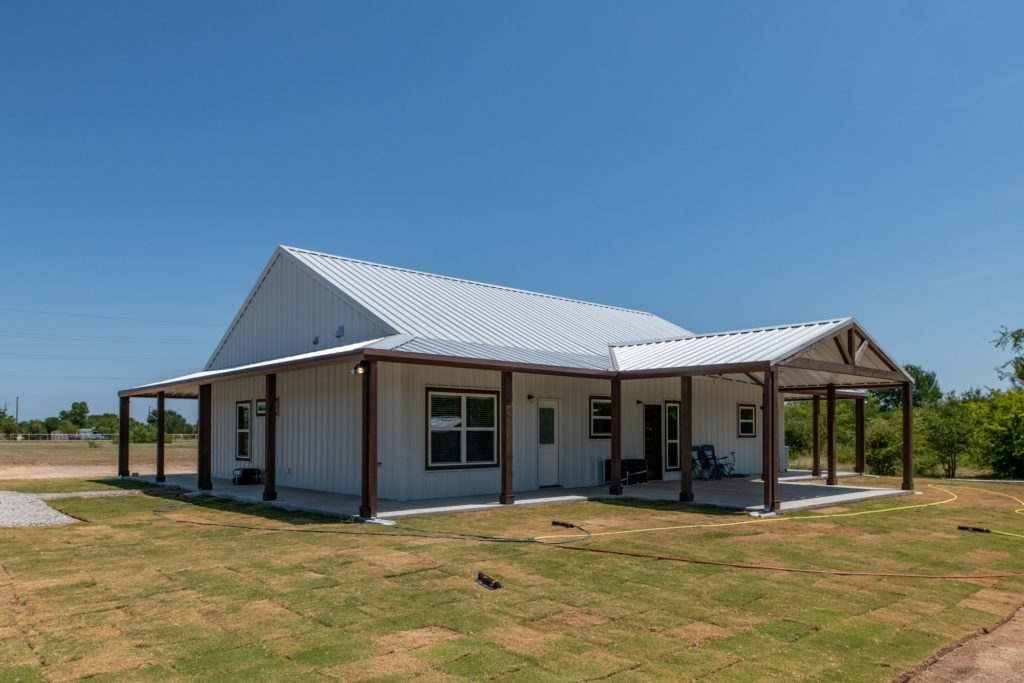
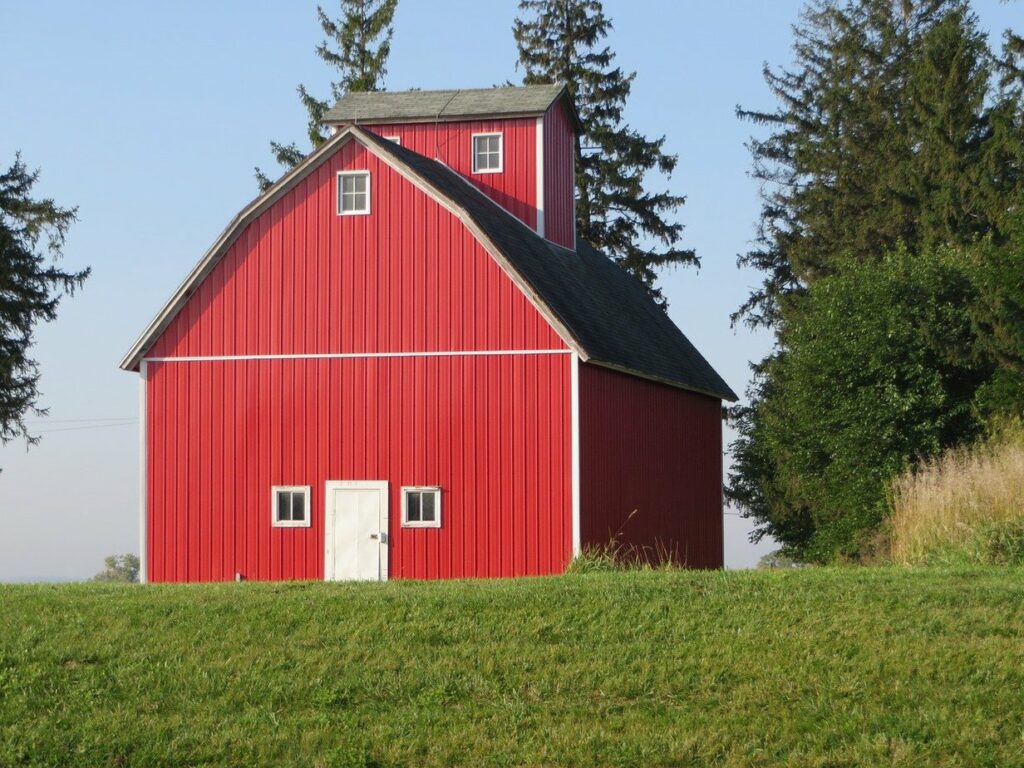
Barndominiums, or barn-style homes with open interiors and often a shop or garage under the same roof, are popular in rural parts of many states, including South Carolina. Most are now stick-framed (built with regular wood framing) rather than steel, which makes them easier to finance, insure, and permit like any other house.
How Much Does It Cost to Build a Home in South Carolina?
New Home Magazine estimates that building a home in South Carolina costs about $150–$230 per square foot for the house itself. For a 2,000-square-foot home, that’s roughly $300,000–$460,000.
What affects cost in South Carolina:
- Hurricane codes: Coastal homes must meet stronger wind requirements, which means extra strapping, impact-rated windows or shutters, and tougher roofing.
- Flood zones: Homes in flood zones may need to be raised on pilings or a raised foundation.
- Shallow frost depth: Mild winters keep foundations simpler and cheaper; slabs and crawl spaces are common.
- Labor: Fast growth keeps builders busy, especially in the Upstate, Charleston, and York County.
Costs are usually lowest inland and highest on the coast and on lake lots. Remember that the per-square-foot figure covers the house only. Land, site work, a well and septic system for rural lots, and permits are extra. See what it costs to build a new home in all 50 states to compare.
Custom Home Builders in South Carolina
Here are some South Carolina builders that build custom homes, from the Upstate to the coast:
- Dillard-Jones Builders (Greenville and the Upstate): A luxury custom home builder working in the Upstate, Lake Keowee, Bluffton, and Charleston, as well as western North Carolina.
- Homes by Christopher (Rock Hill and York County): A residential builder offering custom homes as well as homes in its own communities.
- Cerra Homes (Aiken): A hands-on custom builder focused on green, energy-efficient homes.
- Design Builders, Inc. (Charleston): A custom home builder and remodeling contractor in the Charleston area.
- Quest Custom Homes (Murrells Inlet and Myrtle Beach): A home builder serving the Grand Strand area.
- Mitchell Homes (Pee Dee region): Builds custom homes on your land in Dillon, Horry, Marion, and Marlboro counties, plus parts of Virginia, North Carolina, and Maryland.
South Carolina requires residential builders to be licensed through the state’s Residential Builders Commission, so look up any builder before you sign. Also ask for proof of insurance, call past clients, and visit a finished home to check the quality.
Construction Loans in South Carolina
A construction loan pays for your home while it’s being built, sending money to the builder in stages as work is completed. A construction-to-permanent loan turns into a regular mortgage once the house is done, so you only close once. Learn more about how construction loans work.
FHA and VA construction loans can lower your down payment (VA loans are a good fit near Fort Jackson, Shaw Air Force Base, and the Charleston and Beaufort military bases), and USDA loans can work in rural South Carolina, which covers much of the state outside the big metro areas.
Lenders that make construction loans in South Carolina include:
- AgSouth Farm Credit: Offers home construction and construction-to-permanent loans and serves counties across South Carolina, Georgia, and North Carolina.
- ArborOne Farm Credit: Based in Florence, it offers home and construction loans across its 12-county region in the Pee Dee and coastal areas.
Local banks and credit unions are also worth calling, since many keep construction loans in-house.
Property Taxes in South Carolina
South Carolina’s property taxes on a primary home are among the lowest in the country. That’s because owner-occupied homes are assessed at a much lower ratio than second homes, rentals, or vacation properties. To get that lower rate, you have to apply with your county assessor once you move in, so don’t skip it.
South Carolina also offers a homestead exemption for homeowners who are 65 or older, totally disabled, or legally blind, which takes part of your home’s value off the tax rolls. Because the gap between primary-home and second-home rates is so large, buyers building a vacation home should budget for a noticeably higher tax bill.
Home Insurance in South Carolina
South Carolina’s biggest risks come from the weather:
- Hurricanes: Common along the coast. Policies often have a separate hurricane or wind deductible, and coastal homeowners may need coverage through the state’s wind pool.
- Flooding: Standard policies don’t cover floods. Flood insurance is often required in flood zones and is smart near the coast and rivers.
- Severe storms and tornadoes: Thunderstorms and tornadoes can occur statewide, often during hurricane season.
- Termites: Common in the warm climate and not covered by insurance, so ask about pre-treatment.
Building to stronger wind standards can lower your premium. Get quotes before you buy land, especially on the coast. See our guide to home insurance for new homes.
Buying Land and Getting Permits in South Carolina
South Carolina uses statewide building codes based on national model codes, which local building departments enforce. Zoning is set by counties and cities, and some rural counties have very little zoning outside town limits.
Before you buy land, check:
- Septic: The state environmental agency approves septic systems, usually after a soil evaluation that shows how well the ground drains. Low-lying coastal soils can make septic harder.
- Water: Find out if public water is available or if you’ll need a well.
- Flood zones and wetlands: Common in the Lowcountry and along rivers; they can affect where and how you build.
- Coastal rules: Beachfront and marsh-front lots may have extra state rules on setbacks and construction.
- Frost depth: Shallow statewide, which keeps foundations simple.
Our guide on how to buy land to build a house walks through the process.
House Plans for Your South Carolina Home
Lowcountry homes with deep porches and raised foundations, Southern farmhouses, lake houses, and coastal cottages all suit South Carolina. You can browse plans for every style, then have your builder adapt the plan for local wind and flood requirements. For barndominium and farmhouse-style plans, check out BarndominiumPlans.com, and for barndominium inspiration, visit Barndominium Life.
Final Thoughts
South Carolina combines low property taxes, a mild climate, and plenty of places to build. Check flood zones and insurance early, work with a licensed builder, and you can build a home that fits your life, from the mountains to the coast.