Arizona draws a steady stream of people who want sunshine, open space, and a home built exactly the way they want it. Some are retirees heading for Prescott or Tucson, others are families chasing jobs in metro Phoenix, and many are buying acreage outside town to build a custom home on their own land.
Why Build a New Home in Arizona
Arizona has a lot of buildable land, from desert lots in the Phoenix and Tucson outskirts to pine-country parcels around Flagstaff, Show Low, and Prescott. Large parts of the state are rural, and land in counties like Mohave, Yavapai, Cochise, and Navajo is still far cheaper than in the big metros.
The climate depends on elevation. The low desert (Phoenix, Tucson, Yuma) has mild winters and very hot summers, so insulation, shading, and air conditioning matter a lot. The high country around Flagstaff and the White Mountains gets real winters with snow and freezing temperatures. Prescott sits in between, with four mild seasons.
Growth is strongest in the Phoenix area, especially the West Valley (Buckeye, Surprise, Goodyear) and the far East Valley (Queen Creek, San Tan Valley). Tucson’s edges, such as Marana, Oro Valley, and Vail, are also growing, and so are the Prescott Valley and Kingman areas.
Types of New Homes in Arizona
There are several types of new homes to choose from in Arizona, and the right one depends on your budget, timeline, and land.
Custom homes on your own lot. This is the most flexible option. You buy a lot or acreage, then hire a builder to design and build a home for that site. In Arizona, that might mean a desert-modern home with deep overhangs in Cave Creek, or a cabin-style home on a few acres near Flagstaff.
Builder and tract communities. Production builders put up large neighborhoods across metro Phoenix and Tucson, especially in the West Valley, the far East Valley, and the Marana and Sahuarita areas. You pick from a set of floor plans and options, and the lot comes with the house.
Manufactured and modular homes. These are built in a factory and moved to your land. Manufactured homes follow a federal code. Modular homes are built to the same local codes as site-built homes. Both are common in rural Arizona and can cut costs and build time.
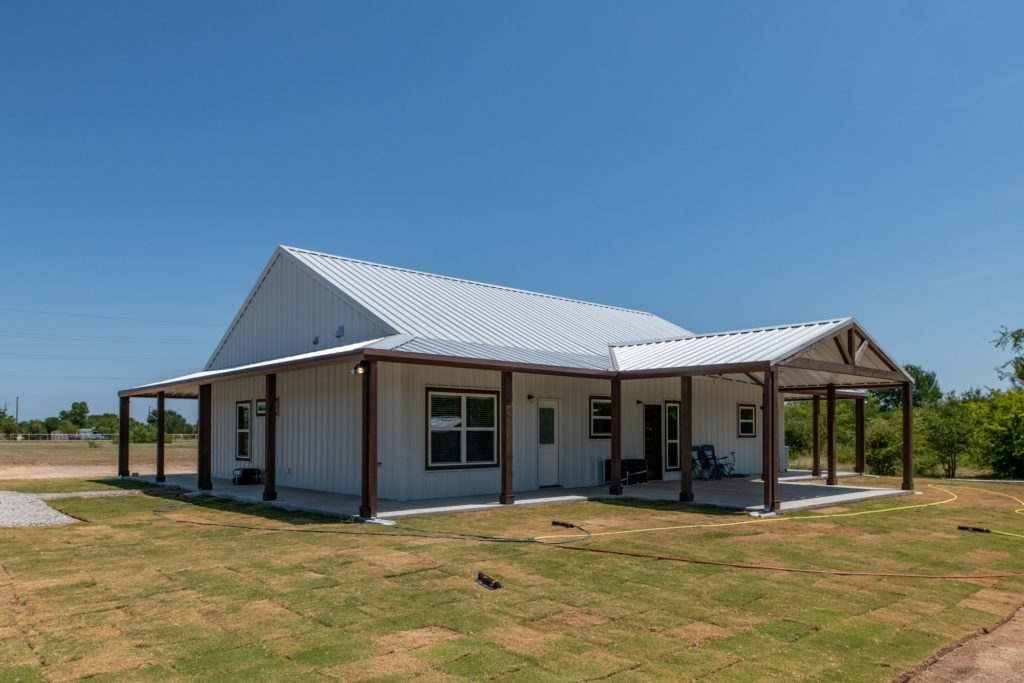
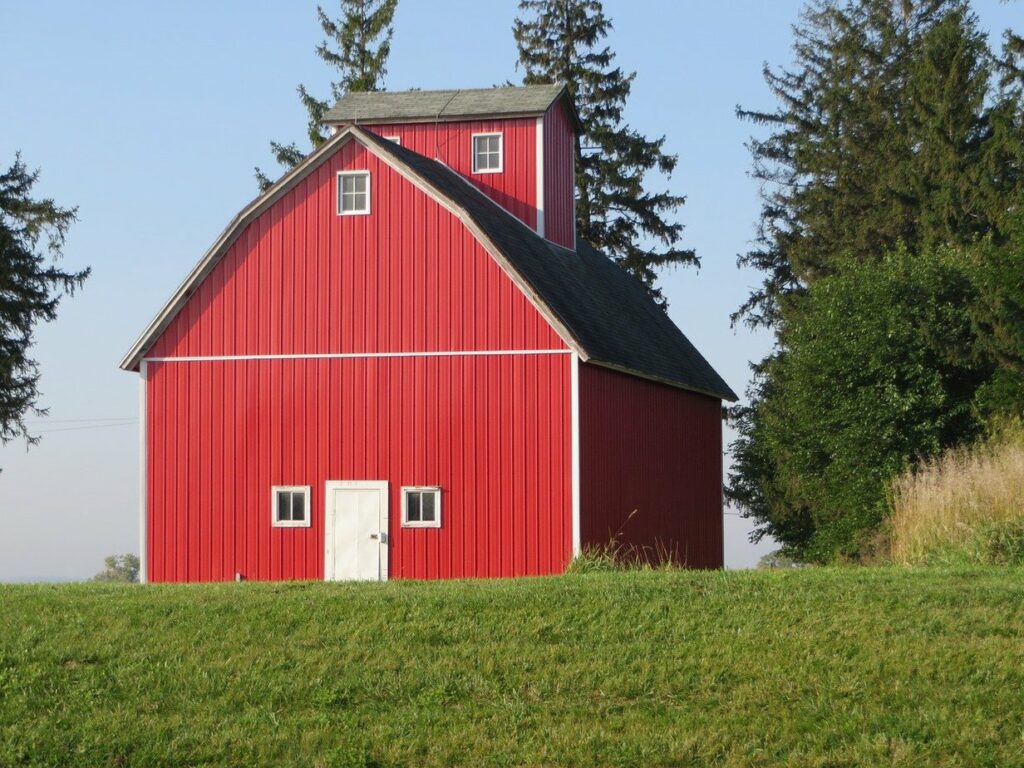
Barndominiums. Barndos (homes with a barn-style shape, often with a big shop or garage under the same roof) are popular in rural parts of many states, including Arizona. Most are now stick-framed (built with wood framing like a regular house), not all-steel. They suit acreage buyers who want room for RVs, horses, or equipment.
How Much Does It Cost to Build a Home in Arizona?
New Home Magazine estimates it costs about $175–$265 per square foot to build a house in Arizona. For a 2,000-square-foot home, that works out to roughly $350,000–$530,000 for the house alone.
Several things push costs up or down in Arizona:
- Location and labor. Builders in metro Phoenix and Scottsdale are busy, and labor costs follow. Remote sites can cost more because crews and materials have to travel farther.
- Cooling. Low-desert homes need bigger air conditioning systems, better insulation, and heat-resistant materials.
- Foundations. Frost depth (how deep the ground freezes) is shallow in the low desert, which keeps footings simple. In Flagstaff and the high country, footings must go deeper. Expansive clay soils and caliche (a hard, cement-like soil layer) can also add cost.
- Snow loads. High-elevation homes must be built to carry heavy snow on the roof.
Land, site work, a well and septic system, utility hookups, and permits are all extra. For a state-by-state comparison, see what it costs to build a new home in all 50 states.
Custom Home Builders in Arizona
Here are a few Arizona builders that build custom homes, including on land you already own:
- Morgan Taylor Homes (Scottsdale and the North Valley): Builds custom homes on privately owned lots through its Build On Your Lot program, across areas like Cave Creek, Fountain Hills, and Sedona.
- Adair Homes (Tucson): Builds custom homes on your land in Pima and Pinal counties and handles permitting and site prep.
- Sombra Residential (Oro Valley/Tucson area): Builds custom homes from your plans or theirs, including for clients who already own a lot.
- Capistrano Homes (Prescott): A Prescott-based builder of luxury custom homes with personalized design.
- JKC Inc. (Flagstaff): A general contractor that offers custom home design and construction in Flagstaff and northern Arizona.
To vet a builder, check their license with the Arizona Registrar of Contractors, which licenses residential contractors in the state. Ask for proof of liability insurance, call recent clients, and visit a finished home they built.
Construction Loans in Arizona
Most people building a custom home use a construction loan. The lender pays the builder in stages (called draws) as work is finished, and you usually pay only interest during the build. When the home is done, the loan either converts into a regular mortgage or is paid off with one. Learn more about how construction loans work.
Government-backed options can help. FHA and VA both offer construction-to-permanent loans through approved lenders. USDA loans can work in rural parts of Arizona, including many small towns outside the Phoenix and Tucson metros, for buyers who meet income limits.
Lenders to look into:
- AgWest Farm Credit: A Farm Credit lender with Arizona branches that offers Country Home Loans, including construction loans for rural homes.
- Desert Financial Credit Union: An Arizona credit union that offers home loans; ask about its options for building.
Property Taxes in Arizona
Arizona’s property taxes are low compared with most states. Your bill is set by your county and local taxing districts (schools, fire districts, and so on), so it can vary a lot from one area to the next.
Owner-occupied primary homes get a lower assessment ratio than rentals or second homes, so be sure your county assessor has your home classified as your primary residence once you move in. Arizona doesn’t have a traditional homestead exemption, but some seniors and people with disabilities may qualify for relief.
Home Insurance in Arizona
Arizona homes face a different set of risks than homes back East. The main ones are:
- Wildfire, especially in the forested high country and the edges of desert towns. Some insurers are pulling back in high-risk areas, so shop early.
- Monsoon storms, which bring strong wind, hail, and dust storms each summer.
- Flash floods, which can hit washes and low areas quickly. Standard home insurance does not cover flooding, so ask about a separate flood policy if your land is near a wash.
- Heat, which wears down roofs and HVAC systems faster.
Get insurance quotes before you finalize your design, because roof type, defensible space around the house, and distance to a fire station can all change your price. See our guide to home insurance for new homes.
Buying Land and Getting Permits in Arizona
Arizona has no single statewide residential building code. Cities and counties adopt their own codes, usually based on the International Residential Code (a model code used across the U.S.). Some rural counties have limited building code enforcement, and zoning in remote areas can be very light. Always check with the county before you buy.
Water is the biggest issue. In Arizona’s Active Management Areas (the Phoenix, Tucson, Prescott, and Pinal regions), groundwater use is tightly controlled, and drilling a new well can be restricted. Outside those areas, check how deep wells run and whether the land has a reliable water source. Some rural buyers haul water.
If there’s no sewer, you’ll need a septic system. The Arizona Department of Environmental Quality sets the rules, and counties handle permits. A soil test (often called a perc test) shows whether the ground can handle a septic system.
Also check road access, utility distance, and flood zones before you buy. Our guide on how to buy land to build a house covers what to look for.
House Plans for Your Arizona Home
You can browse house plans in every style, from Spanish and Santa Fe homes to modern farmhouses and ranches. For barndominium and farmhouse-style plans that work well on Arizona acreage, check out BarndominiumPlans.com. For real-world barndominium ideas, Barndominium Life is a great source of inspiration.
Final Thoughts
Arizona offers plenty of land, sunshine, and fairly low property taxes. Before you buy land, check water, wildfire risk, and local codes. Then choose a licensed builder who has built in your area before.