Indiana is one of the more affordable places in the Midwest to build a new home. Families are building in the fast-growing suburbs around Indianapolis, and many buyers pick up rural acreage and build a custom home on their own land, close to a city but with room to breathe.
Why Build a New Home in Indiana
Indiana has plenty of land and much of it is reasonably priced. Outside the Indianapolis, Fort Wayne, and Evansville metros, the state is mostly farm country and small towns, and acreage lots are easy to find. Southern Indiana is hillier and more wooded, especially around Bloomington, Brown County, and the Ohio River.
The climate has four distinct seasons. Summers are warm and humid, and winters bring snow and cold, especially in the north near Lake Michigan, where lake-effect snow can pile up. Spring is storm season, with tornadoes and severe thunderstorms.
Growth is strongest in the counties around Indianapolis, including Hamilton County (Carmel, Fishers, Noblesville, Westfield), Boone County (Zionsville, Whitestown), Hendricks County, and Johnson County. Fort Wayne, Lafayette, and southern Indiana near Louisville (Clark and Floyd counties) are also growing.
Indiana’s cost of living is also below the national average, and many rural parcels sit within an easy drive of Indianapolis, Fort Wayne, Louisville, Cincinnati, or Chicago. That makes it a good fit for people who want acreage but still need to reach a city for work.
Types of New Homes in Indiana
You’ll find all the main types of new homes in Indiana.
Custom homes on your own lot. Building on your own land is common in Indiana, where rural acreage is affordable. Many local builders run “build on your lot” programs and will walk your land with you before you design.
Builder and tract communities. Production builders are very active around Indianapolis, especially in Hamilton, Boone, Hendricks, and Johnson counties, and in the Fort Wayne and Lafayette suburbs. You pick a plan and options, and the lot is included.
Manufactured and modular homes. Indiana is a major center for factory-built housing, especially in the northern part of the state around Elkhart County. Modular homes meet the same codes as site-built homes, while manufactured homes follow a federal code.
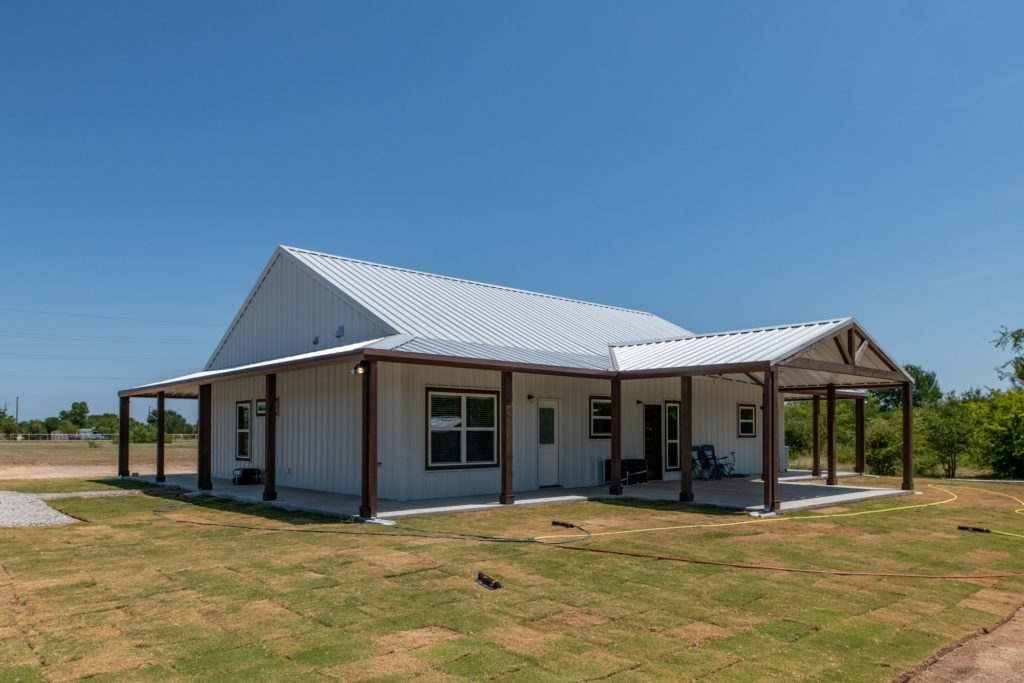
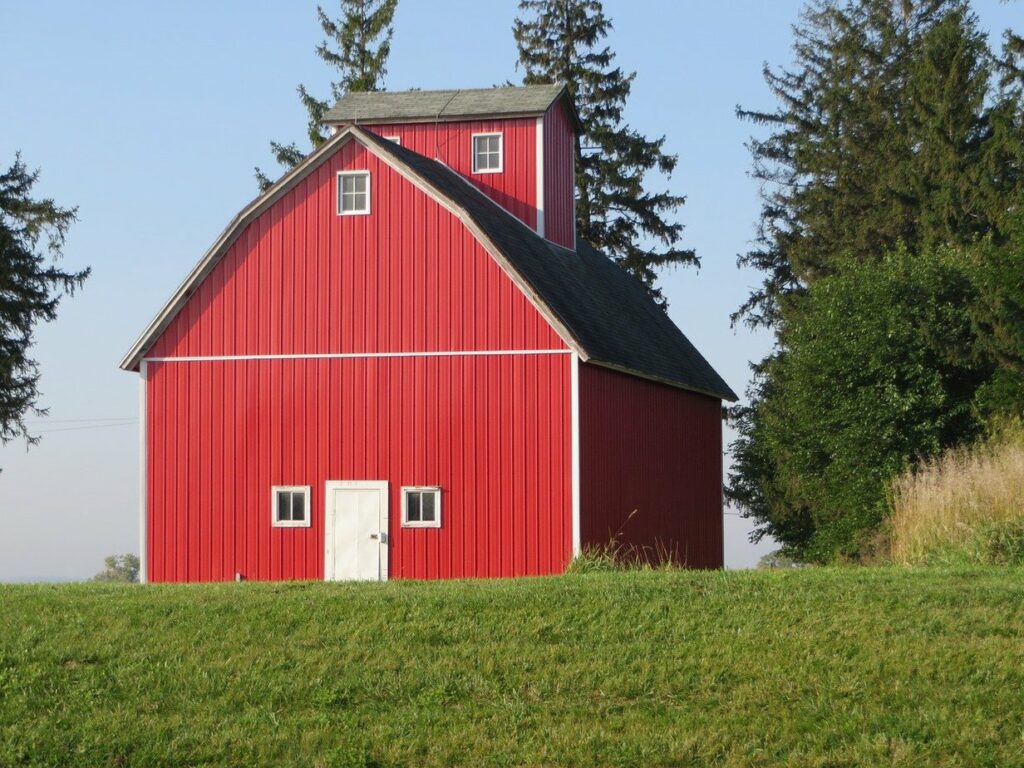
Barndominiums. Barndos (barn-style homes, often with a big shop or garage) are popular in rural parts of many states, and Indiana’s farm country is a natural fit. Most are now stick-framed (built with wood framing like a regular house) rather than all-steel.
How Much Does It Cost to Build a Home in Indiana?
New Home Magazine estimates it costs about $185–$280 per square foot to build a house in Indiana. For a 2,000-square-foot home, that’s roughly $370,000–$560,000 for the house alone.
What drives costs in Indiana:
- Location. Building in the Indianapolis suburbs, where builders are busy and finishes tend to be higher-end, usually costs more than building in rural areas.
- Foundations. Indiana’s frost depth is deeper in the north than the south, so footings and foundations need to reach below the frost line. Basements are common and add cost but also add space.
- Snow and storms. Homes need to handle snow loads and strong winds, and many owners add a storm shelter or safe room.
- Soil and drainage. Clay soils and wet ground in parts of the state can increase sitework and drainage costs.
Land, site work, a well and septic system, utility hookups, and permits are extra. See what it costs to build a new home in all 50 states for comparisons.
Custom Home Builders in Indiana
These Indiana builders build custom homes on land you already own:
- Executive Homes (Carmel, central Indiana): Builds custom homes on your lot across the north side of Indianapolis and nearby counties.
- Majestic Homes (Lafayette and Fort Wayne): A family-owned custom builder that builds on land you already own in the Lafayette and Fort Wayne regions.
- John Elpers Homes (Evansville): Builds custom homes on privately owned lots in Evansville and southwest Indiana.
- Discovery Builders (New Albany, southern Indiana): Builds custom homes on customer-owned lots in Floyd, Clark, and Harrison counties.
Indiana doesn’t have a statewide license for residential general contractors, but many cities and counties require builders to register or be licensed locally. Check local registration, ask for proof of liability and workers’ comp insurance, and call past clients. Touring a finished home is one of the best ways to judge a builder’s work.
Construction Loans in Indiana
A construction loan covers the cost of building and pays your builder in stages (called draws) as each phase is finished. You usually pay only interest during construction, and the loan then becomes a regular mortgage or is paid off with one. Learn more about how construction loans work.
FHA and VA construction-to-permanent loans are available through approved lenders. USDA loans are a strong option in rural Indiana, where much of the state outside the major metros qualifies, for buyers who meet income limits.
Lenders to look into:
- Indiana Members Credit Union: A central and southern Indiana credit union that offers a one-time-close construction loan, which covers the build and your permanent mortgage in a single closing.
- The Farmers Bank: A locally owned bank based in Frankfort that offers mortgage loans; ask about its options for new construction.
Property Taxes in Indiana
Indiana’s property taxes are below the national average. The state caps property taxes on a primary home at 1% of its assessed value, which keeps bills predictable.
Indiana also offers a homestead deduction that lowers the taxable value of your primary home. You need to file for it with your county auditor, usually once you own and live in the house. Seniors, veterans, and people with disabilities may qualify for extra deductions.
Home Insurance in Indiana
The main home insurance risks in Indiana are:
- Tornadoes and severe storms, especially in spring and early summer, with high winds and hail.
- Hail damage to roofs and siding.
- Winter storms, with heavy snow and ice, including lake-effect snow in the north.
- Flooding along rivers like the Wabash, White, and Ohio. Standard home insurance doesn’t cover floods, so ask about a separate policy if your land is near water.
Impact-resistant roofing can lower your premiums with some insurers. Get quotes before you finalize your design. Read more about home insurance for new homes.
Buying Land and Getting Permits in Indiana
Indiana has a statewide residential building code, the Indiana Residential Code, which is based on the International Residential Code (a model code used across the U.S.). Local building departments enforce it, and permits are handled by your city or county.
Zoning varies by county. Some rural counties have fairly light zoning, but most still regulate minimum lot sizes, setbacks, and driveway access. Check with the county planning office before you buy.
If the land isn’t on public sewer, you’ll need a septic system. Your county health department handles septic permits and requires a soil evaluation to see whether the ground can handle a system. Heavy clay soils are common in Indiana and may require a more costly system.
Frost depth is deeper in northern Indiana than in the south, so check local footing rules. Our guide on how to buy land to build a house covers the rest.
House Plans for Your Indiana Home
You can browse house plans in every style, from ranches with basements to two-story farmhouses. For barndominium and farmhouse-style plans that suit Indiana acreage, visit BarndominiumPlans.com. For barndominium inspiration from real homes, check out Barndominium Life.
Final Thoughts
Indiana offers affordable land, a tax cap on primary homes, and plenty of builders who will build on your lot. Look closely at soils, septic, and storm protection when you choose your land and design.