Washington draws people who want mountains, water and forests close to home, plus a strong job market and no state income tax. Families priced out of the Seattle area, buyers who want acreage east of the Cascades, and retirees heading for the islands or the sunny side of the state all build here. This guide covers costs, builders, loans, taxes, insurance and the land and permit steps.
Why Build a New Home in Washington
Washington is really two states in one. West of the Cascades, you’ll find Puget Sound, the Olympic Peninsula and wet, mild weather with tall evergreen forests. East of the mountains, it’s drier and sunnier, with farmland, orchards, wine country and wide-open land around Spokane, Yakima, Wenatchee and the Tri-Cities.
That split shapes how you build. The west side gets a lot of rain, so moisture control and drainage matter, while the east side has hotter summers, colder winters, more snow and real wildfire risk. Land is generally cheaper and easier to find east of the Cascades.
Growth is spread around the state. Outer Puget Sound counties like Pierce, Thurston, Snohomish, Skagit and Kitsap see a lot of new construction from buyers priced out of King County. Clark County (near Portland), Spokane and Spokane Valley, the Tri-Cities and Yakima Valley are also growing quickly.
Types of New Homes in Washington
There’s more than one way to get a new home here. For a full comparison, see our guide to types of new homes.
Custom Homes on Your Own Lot
This is a popular route in Washington, and several regional builders focus on it. You buy the land (or already own it), pick or design a plan, and hire a builder. It lets you design for a view, a sloped lot or a rural parcel and choose exactly how the house sits on the land.
Builder and Tract Communities
Production builders work in planned neighborhoods mainly in the Puget Sound suburbs, Clark County, Spokane and the Tri-Cities. You choose from set floor plans and options. It’s often simpler and faster, but you give up control over the lot and most design choices.
Manufactured and Modular Homes
Manufactured homes are factory-built to a federal HUD code and are the lowest-cost route into a new home. Modular homes are also built in a factory but meet the same state codes as site-built homes and sit on a permanent foundation, so they’re financed and appraised like regular houses.
Barndominiums
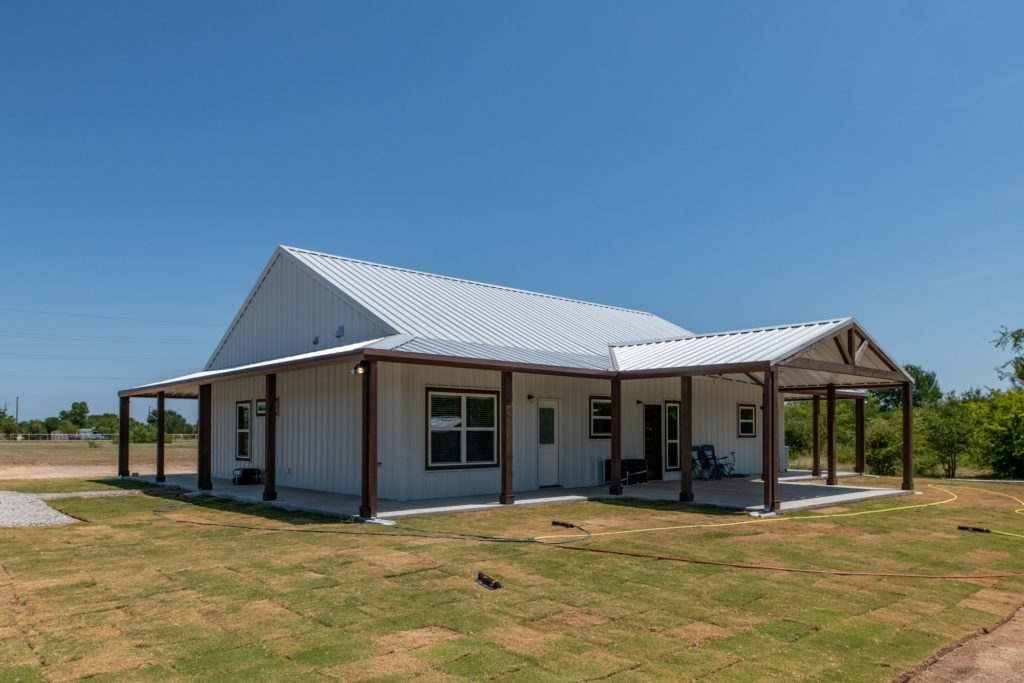
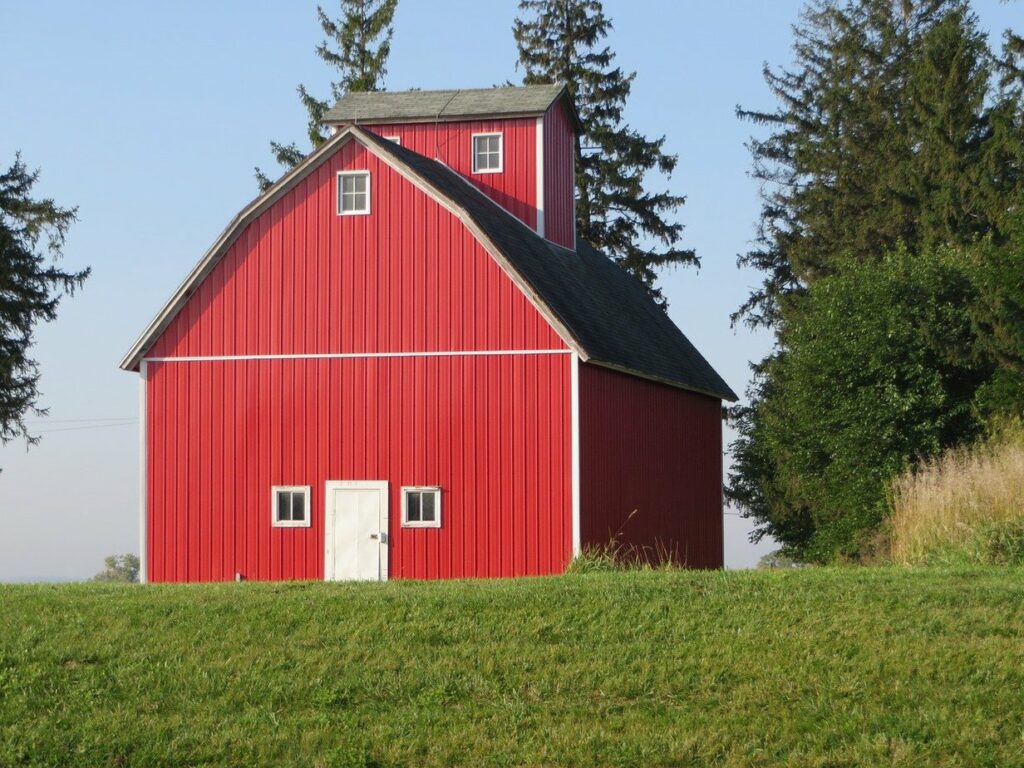
Barndominiums (barn-style homes, often with a large shop or garage under the same roof) are popular in rural parts of many states, including eastern Washington and rural western counties. Most are now stick-framed like a standard house with metal siding and roofing, which makes them easier to finance and insure.
How Much Does It Cost to Build a Home in Washington?
New Home Magazine estimates that building a new home in Washington costs about $170–$260 per square foot for the house itself. For a 2,000-square-foot home, that works out to roughly $340,000–$520,000. These are our estimates; the plan, finishes and builder all affect your real cost.
What pushes Washington costs up or down:
- Location: Puget Sound labor and permit costs are among the highest in the region. Eastern Washington is usually less expensive.
- Energy code: Washington has one of the stricter energy codes in the country, which means better insulation, windows and heating systems, and higher upfront costs.
- Seismic design: Western Washington is earthquake country, so homes need extra bracing and hold-downs.
- Sales tax on construction: Washington charges sales tax on new home construction, which adds to the total.
- Site conditions: Steep lots, wetlands, and long driveways on rural parcels add site work.
Land, site work, a well and septic system, utility hookups and permits are all extra. To compare states, see what it costs to build a new home in all 50 states.
Custom Home Builders in Washington
Here are some Washington builders that build custom homes on land their clients own:
- True Built Home (western Washington): Builds stick-framed custom homes on your land in counties from Clark and Thurston up to Snohomish and Skagit, with more than 50 customizable plans.
- Adair Homes (Kitsap County, Whatcom County and other areas): Builds custom homes, ADUs and duplexes on your land, starting with a site evaluation.
- HiLine Homes (Spokane and northeast Washington): Builds custom homes on clients’ land across Spokane, Stevens, Pend Oreille, Lincoln, Whitman and Ferry counties.
- Lexar Homes (Spokane, Tri-Cities and Bellingham): Builds custom homes and says it specializes in building on your land, from city lots to rural acreage.
Washington requires construction contractors to register with the Department of Labor & Industries, which means carrying a bond and liability insurance. You can look up a contractor’s registration on the L&I website. Also call recent clients and visit a home the builder has finished.
Construction Loans in Washington
A construction loan pays your builder in stages (called draws) as work is completed. You typically pay interest only during the build, and many lenders offer a one-time close loan that becomes a regular mortgage when the home is done. Learn more about how construction loans work.
FHA and VA construction loans are options if you qualify, and USDA loans can help buyers in rural parts of Washington, which includes much of the eastern half of the state and rural western counties. Lenders that offer construction loans in Washington include:
- STCU: A Spokane-based credit union with construction and land loans for building a home in Spokane and eastern Washington.
- AgWest Farm Credit: Offers all-in-one construction loans through its Country Home Loans program for rural properties in Washington.
Ask local credit unions and community banks in your area too, since many offer construction loans to members.
Property Taxes in Washington
Washington’s property taxes are about average nationally. There’s no state income tax, so the state relies more on sales and property taxes. Your county assessor sets your home’s value, and your bill is the combined levies for the state school levy, county, city and local districts like schools, fire and libraries. Rates vary by county and district.
Washington doesn’t have a general homestead exemption for property taxes, but it does offer an exemption and deferral program for senior citizens and people with disabilities who meet income limits. Check with your county assessor once you move in.
Home Insurance in Washington
The biggest risks depend on which side of the mountains you’re on. Western Washington faces earthquake risk (including the Cascadia Subduction Zone), windstorms, heavy rain, river flooding and landslides. Eastern Washington has a growing wildfire risk, plus snow, ice and wind. Homes near Mount Rainier and other volcanoes also face lahar (volcanic mudflow) risk.
Practical tips:
- Earthquake coverage is a separate policy or add-on. It’s worth pricing out in western Washington.
- Standard policies don’t cover flooding. Check flood maps and price out flood insurance if you’re near a river or the coast.
- In wildfire areas, build with fire-resistant roofing and siding and keep a cleared space around the house. Some insurers are pulling back from high-risk areas, so get quotes before you buy land.
- Get a builder’s risk policy while the home is under construction.
For more, see our guide to home insurance for new homes.
Buying Land and Getting Permits in Washington
Land-use rules are tighter here than in many states. Washington’s Growth Management Act steers most development into urban growth areas, so rural land often comes with large minimum lot sizes and limits on dividing property. Counties also have “critical areas” rules that limit building near wetlands, streams, steep slopes and flood zones. Check zoning and critical areas with the county before you buy.
If the land isn’t on sewer, you’ll need a septic system, which local health departments call an on-site sewage system. A licensed designer tests the soil, and the county health department approves the design. On rural land you’ll also need to confirm water availability: either a well or a water right, which can be tricky in some basins. Make your purchase contingent on both.
Washington has a statewide building code based on the International Residential Code, plus the Washington State Energy Code. Counties and cities issue permits and do inspections. Frost depth ranges from about 12 inches in much of western Washington to 24 inches or more in the east. For more on choosing land, read how to buy land to build a house.
House Plans for Your Washington Home
Whether you want a Northwest contemporary, a rambler on acreage or a modern farmhouse, you can browse plans for every style before you meet with a builder. For barndominium and farmhouse-style designs, take a look at BarndominiumPlans.com. For more barn-style ideas, Barndominium Life has plenty of inspiration.
Final Thoughts
Washington offers a lot of variety, from Puget Sound islands to eastern farmland, but land-use, water and energy rules make planning ahead important. Check zoning, septic and water early, pick a registered builder, and line up financing before you commit to a lot.