Nevada has been one of the fastest-growing states in the West for years, thanks to a growing economy, no state income tax, and housing that often costs less than in neighboring California. Families build here for a custom home on a desert lot outside Las Vegas, room to spread out near Reno, or a mountain retreat near Lake Tahoe.
Why Build a New Home in Nevada
Nevada has about 3.1 million residents, and roughly three out of four live in Clark County, which includes Las Vegas, Henderson, and North Las Vegas. Most of the rest live in the Reno, Sparks, and Carson City area in the north. Outside those regions, the state is wide open, with small towns, ranch land, and huge stretches of public land.
Nevada is the driest state in the country. Southern Nevada has very hot summers and short, mild winters. Northern Nevada sits higher, so it has colder winters with real snow, especially near the Sierra Nevada and Lake Tahoe on the state’s western border.
Growth is strongest in the Las Vegas Valley (including Henderson and the southwest valley), the Reno-Sparks area and its suburbs, Carson City, the Carson Valley around Minden and Gardnerville, Fernley, and Pahrump.
Types of New Homes in Nevada
You can build a new home in Nevada in several ways. Our guide to the types of new homes explains each one.
Custom Homes on Your Own Lot
A custom home on your own land lets you design around the views, the sun, and the desert setting. In Nevada, custom homes are common on larger lots in the Las Vegas Valley, in the foothills around Reno, in the Carson Valley, and around Lake Tahoe.
Builder and Tract Communities
Production builders are very active in Nevada, especially in master-planned communities in Henderson and the Las Vegas suburbs and in the growing areas north and south of Reno. You pick from set floor plans and options, which is usually the fastest and most predictable way to get a new home.
Manufactured and Modular Homes
Factory-built homes are a common, lower-cost choice in rural Nevada and smaller towns. Modular homes are built to local building codes and set on permanent foundations. Manufactured homes follow a federal code and may have placement rules depending on the county.
Barndominiums
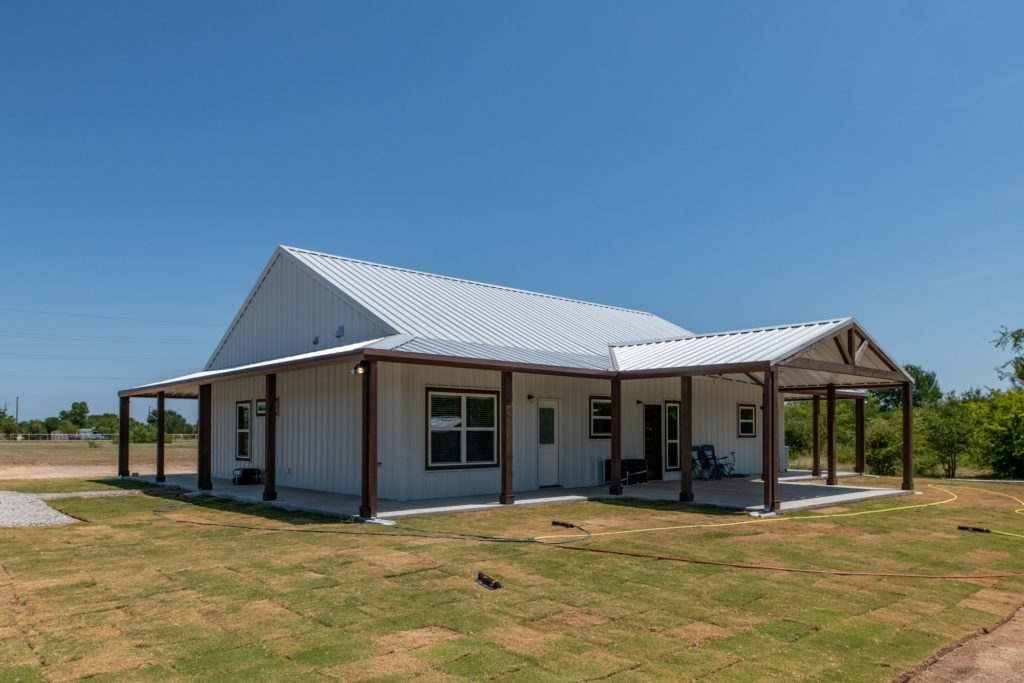
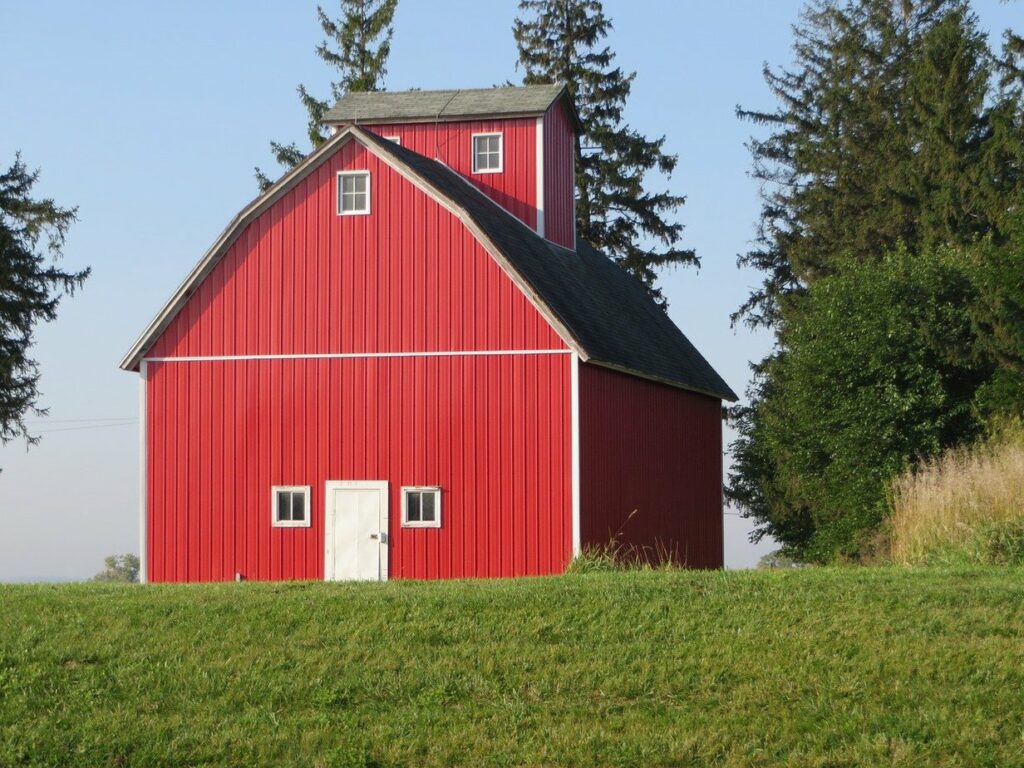
Barndominiums, barn-style homes with open interiors and often a large shop or garage, are popular in rural parts of many states, and they suit Nevada’s ranch country and large rural lots. Most are now stick-framed (built with standard wood framing) rather than steel, which makes them easier to finance and permit like a regular house.
How Much Does It Cost to Build a Home in Nevada?
New Home Magazine estimates that building a home in Nevada costs about $190–$295 per square foot for the house itself. For a 2,000-square-foot home, that’s roughly $380,000–$590,000.
What drives Nevada building costs:
- Seismic design: Nevada is one of the most earthquake-active states, so homes need earthquake-resistant framing and engineering.
- Heat: In Southern Nevada, good insulation, efficient cooling, and heat-resistant materials matter a lot.
- Snow loads: Homes in the Reno and Tahoe areas need roofs built for snow.
- Labor: A busy construction market in Las Vegas and Reno keeps labor in demand.
- Remote shipping: Building in rural Nevada can mean long hauls for materials and crews.
- Rocky soils: Caliche (a hard, cement-like soil layer common in desert areas) can make digging and foundations more expensive.
The per-square-foot number covers the house only. Land, site work, water (a well or water rights), septic, utility hookups, and permits are extra. See what it costs to build a new home in all 50 states to compare.
Custom Home Builders in Nevada
Here are some Nevada builders that build custom homes:
- Blue Heron (Las Vegas): A luxury builder that offers custom homes and design-build services across the Las Vegas Valley.
- Sun West Custom Homes (Las Vegas): Builds luxury custom homes in Las Vegas with a design-build process that includes site selection and architecture.
- Tahoe Builders (Incline Village): A general contractor that builds custom homes in Incline Village and nearby Truckee, California.
- Mark Tanner Construction (Lake Tahoe and Truckee): Builds custom homes around Lake Tahoe, including Nevada-side communities like Incline Village and Zephyr Cove.
Nevada requires contractors to be licensed by the Nevada State Contractors Board, so check a builder’s license and its limit (the size of job it’s allowed to take on) before you sign. Ask for proof of insurance, talk to past clients, and tour a finished home to see the quality for yourself.
Construction Loans in Nevada
A construction loan pays for your home while it’s being built, releasing money to the builder in stages as the work is done. A construction-to-permanent loan turns into a regular mortgage once the house is finished, so you only close once. Learn more about how construction loans work.
FHA and VA construction loans can lower your down payment (VA loans are a good fit near Nellis Air Force Base and NAS Fallon), and USDA loans can work in rural Nevada, which covers most of the state outside Las Vegas and Reno.
Lenders that offer construction loans in Nevada include:
- Greater Nevada Mortgage: A Nevada lender that offers construction and lot loans for people who want to build on land.
- Farm Bureau Bank: Offers several construction loan options, including loans that roll the cost of building into one mortgage.
Local banks and credit unions in Las Vegas and Reno also make construction loans, so it’s worth comparing a few.
Property Taxes in Nevada
Nevada’s property taxes are below the national average, and the state has no personal income tax, which is a big reason people move here. Your home’s taxable value is based on the land value plus the cost to replace the house, minus depreciation, rather than its full market value.
Nevada also has a tax cap (often called an abatement) that limits how much the property tax bill on your primary home can rise each year. You usually need to tell your county assessor that the home is your primary residence to get the lower cap. Nevada offers exemptions for qualifying veterans, surviving spouses, and blind residents.
Home Insurance in Nevada
Nevada homeowners face a few key risks:
- Wildfire: Areas near Reno, Carson City, and Lake Tahoe have serious wildfire risk. Fire-resistant roofing and siding and clearing brush around the house can help.
- Earthquakes: Standard home policies don’t cover earthquake damage. You’ll need a separate earthquake policy.
- Flash floods: Desert storms can cause sudden flooding. Standard policies don’t cover floods, so check flood maps and consider flood insurance.
- Snow and freezing: In Northern Nevada, plan for heavy snow on roofs and protect pipes from freezing.
- Wind and heat: Strong winds and intense sun can wear down roofing faster.
Shop for insurance before you buy land so there are no surprises. Our guide to home insurance for new homes has more tips.
Buying Land and Getting Permits in Nevada
Most of Nevada’s land is owned by the federal government, so private land can be harder to find in some areas than you’d expect. Building codes and zoning are handled by counties and cities, which generally adopt national model codes. Rural counties tend to have lighter zoning, but you’ll still need permits.
Before you buy land, check:
- Water: This is the big one in Nevada. Find out if the lot has a public water hookup, an existing well, or water rights. Some areas limit new domestic wells.
- Septic: Septic systems need approval from the state or county health authority, usually after a soil test that shows how well the ground drains.
- Soils: Caliche and expansive soils (which swell when wet) can affect your foundation design.
- Flood zones and washes: Avoid building in natural drainage paths in the desert.
- Frost depth: Shallow in Southern Nevada but deeper in the north and the mountains.
Read our guide on how to buy land to build a house for a full checklist.
House Plans for Your Nevada Home
Desert modern, Spanish and Southwest styles, single-story ranch homes, and mountain lodges all work well in Nevada. You can browse plans for every style, then have your builder adapt the design for heat, snow, or earthquake requirements. For barndominium and farmhouse-style plans, visit BarndominiumPlans.com, and for barndominium inspiration, see Barndominium Life.
Final Thoughts
Nevada’s low taxes, wide-open land, and fast-growing cities make it a great place to build. Sort out water, soil, and insurance before you buy a lot, and work with a licensed builder who knows your part of the state.