New Mexico draws people who want sunshine, big skies and room to spread out without paying West Coast prices. Many build custom homes on acreage around Albuquerque, Santa Fe and Las Cruces, or on rural land in the mountains and high desert.
Why Build a New Home in New Mexico
Land is plentiful in New Mexico, and much of it is affordable compared with neighboring states like Colorado and Arizona. You’ll find everything from city lots to multi-acre parcels with mountain views.
The climate is dry and sunny for most of the year. Albuquerque and Las Cruces have mild winters and hot summers, while Santa Fe, Taos and the northern mountains are higher, cooler and snowier. Summer brings the monsoon season (afternoon thunderstorms that can cause sudden flooding), and spring is often windy.
The main growth areas are the Albuquerque metro, including Rio Rancho, Los Lunas and the East Mountains, plus Santa Fe and Las Cruces. Rural areas in the north and the southern part of the state appeal to people looking for privacy and space.
Types of New Homes in New Mexico
You’ll find all the main types of new homes in New Mexico.
Custom homes on your own lot. This is a popular way to build in New Mexico, especially for people who buy acreage outside town. You choose the design, whether that’s a Pueblo Revival style, a Territorial style or something modern, and the builder fits it to your site, views and sun exposure.
Builder communities. Subdivisions are most common in Rio Rancho, Albuquerque’s West Side, Los Lunas and parts of Las Cruces. They’re usually quicker and more affordable, but you choose from a set list of plans.
Manufactured and modular homes. Factory-built homes are common in rural New Mexico because they lower costs and shorten build time. Check that your county allows them on the lot you’re buying.
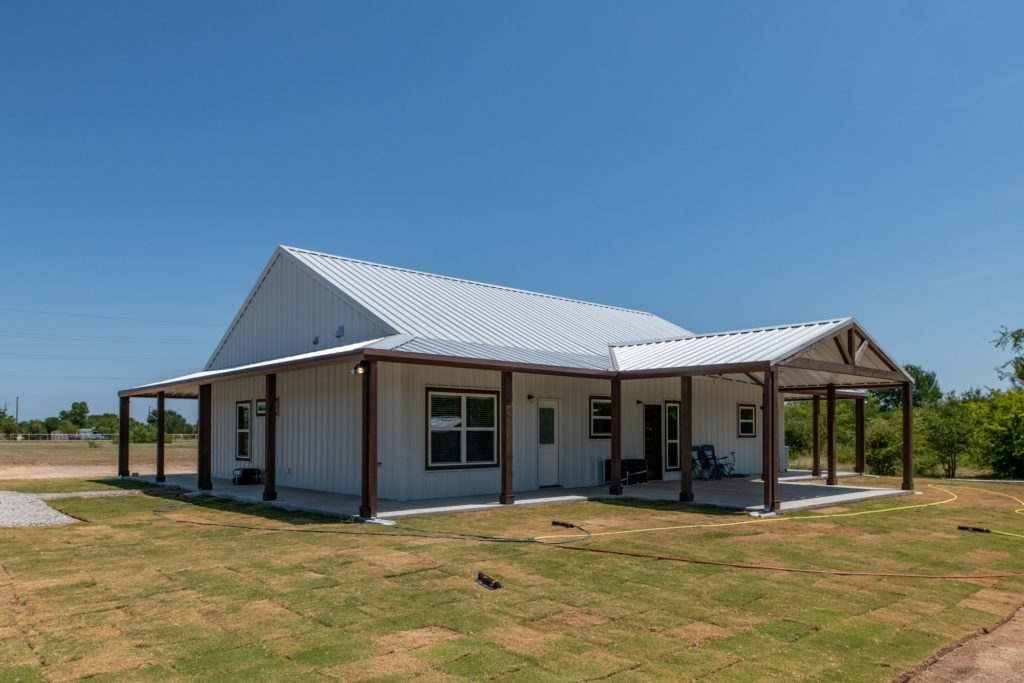
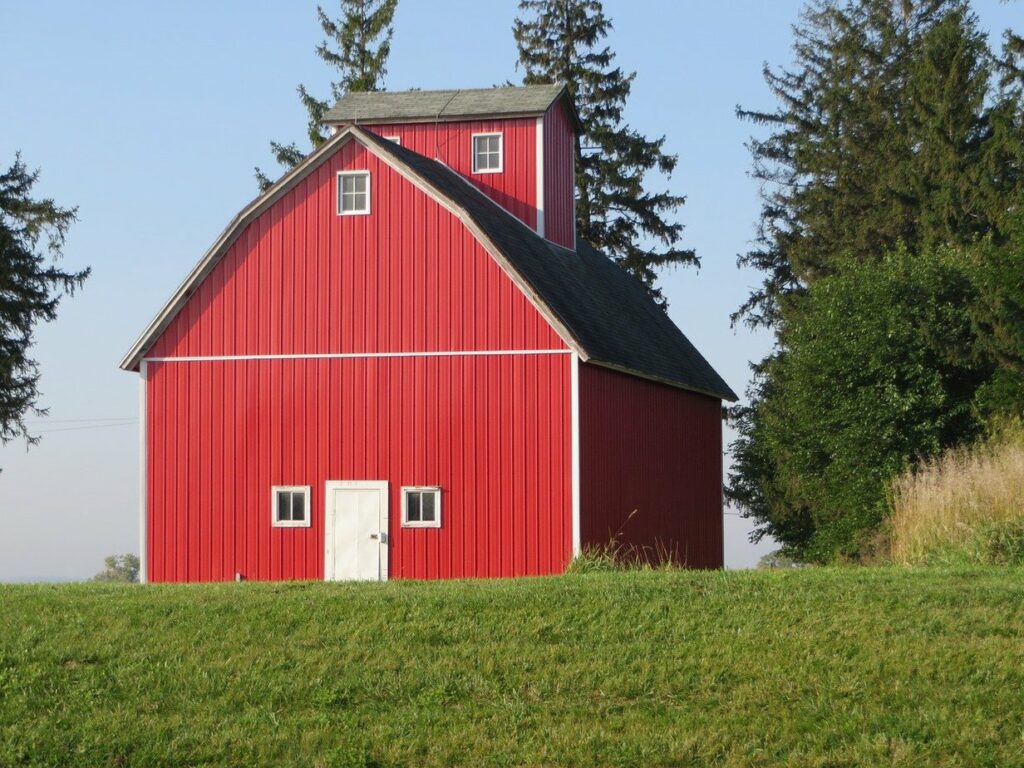
Barndominiums. Barndominiums, homes with a barn-style shell and open living space, are popular in rural parts of many states, including New Mexico, where many owners want a big shop or horse barn. Most are now stick-framed (built with wood framing like a regular house) rather than all steel.
How Much Does It Cost to Build a Home in New Mexico?
New Home Magazine estimates that building a home in New Mexico costs about $170–$260 per square foot for the house itself. For a 2,000-square-foot home, that’s roughly $340,000–$520,000.
Costs run higher in Santa Fe and Taos, where custom adobe-style work, design rules and high-end finishes are common. Remote rural sites cost more because materials and crews have to travel farther. Frost depth is shallow in the south but deeper in the northern mountains, which affects foundation costs, and homes on expansive clay soils may need special foundations. Costs are usually lower around Albuquerque, Rio Rancho and Las Cruces.
These numbers cover the house only. Land, site work, a well and septic system, utility connections (which can be expensive on remote land), and permits are all extra. For more, see what it costs to build a new home in all 50 states.
Custom Home Builders in New Mexico
Here are some New Mexico builders that build custom homes:
- Scott Patrick Homes (Albuquerque): A custom home builder that offers a build-on-your-land option along with homes in its own communities.
- Las Ventanas Homes (Albuquerque, Rio Rancho, Los Ranchos, Placitas, Corrales and Santa Fe): Builds custom, energy-efficient homes and casitas.
- Stillbrooke Homes (Albuquerque): Builds semi-custom homes and will also build on your own lot.
- Palo Santo Designs (Santa Fe): An architecture and construction firm that builds contemporary custom homes with a focus on high-performance and net-zero energy design.
- Rutherford Design & Construction (Albuquerque, Santa Fe and Truth or Consequences): A design-build general contractor that builds luxury custom homes in New Mexico and Arizona.
New Mexico requires contractors to be licensed through the state Regulation and Licensing Department’s Construction Industries Division, and you can verify a license online. Also ask for proof of insurance, call a few past clients, and visit a finished home to see the builder’s work up close.
Construction Loans in New Mexico
A construction loan pays your builder in stages (called draws) as each phase is finished. You usually pay interest only while the home is being built, and the loan then becomes a regular mortgage or is paid off with one. For details, read how construction loans work.
FHA and VA loans can be used for new construction through lenders that offer them, which helps the many veterans and military families near Kirtland, Holloman and Cannon Air Force Bases. USDA loans are a strong option in rural New Mexico, which includes most of the state outside the larger cities, if your income qualifies.
Lenders to look at:
- Century Bank: A New Mexico bank that offers lot loans and construction loans for building a home.
- American AgCredit: A Farm Credit lender serving New Mexico and other western states, with rural home loans, lot loans and one-step construction loans.
- Sandia Area Federal Credit Union: An Albuquerque credit union that offers land loans to buy the lot you plan to build on.
Property Taxes in New Mexico
New Mexico has some of the lower property taxes in the country. Homes are taxed on only a portion of their value, and yearly increases in taxable value on a primary home are limited once it’s on the tax rolls. Rates vary by county and school district.
New Mexico offers a head-of-household exemption for primary homes, a veterans’ exemption, and extra relief for disabled veterans. There’s also a valuation freeze for some seniors and people with disabilities who meet income limits. Ask your county assessor how a new home will be valued, since new construction is assessed at current value.
Home Insurance in New Mexico
Wildfire is the biggest risk in much of New Mexico, especially in the forested mountains around Santa Fe, Taos, Ruidoso and the East Mountains. Hail, high winds and monsoon flash floods are also common. Some parts of the state have expansive soils that can crack foundations, which standard policies usually don’t cover.
Practical tips: use fire-resistant roofing and siding, keep a defensible space (a cleared zone around the house) if you’re near trees or brush, check whether your lot is in a flood zone or arroyo (a dry wash that floods during storms), and get a soils report before you build. See home insurance for new homes.
Buying Land and Getting Permits in New Mexico
New Mexico has a statewide building code, and the state’s Construction Industries Division handles permits and inspections in areas where the city or county doesn’t. Cities like Albuquerque, Santa Fe, Rio Rancho and Las Cruces run their own permit offices.
Zoning varies a lot. Cities and some counties have detailed zoning, and Santa Fe has strict design and historic rules. Many rural counties have little or no zoning, which gives you more freedom but less protection from what neighbors might build.
Water is the biggest question when buying land. Many rural lots need a private well, and you’ll need a permit from the Office of the State Engineer. Check whether the lot already has water rights or a well, how deep wells in the area run, and whether the water is good quality. Septic systems are permitted by the New Mexico Environment Department, and some areas require advanced treatment systems. For more tips, see how to buy land to build a house.
House Plans for Your New Mexico Home
Single-story homes, courtyard designs, Pueblo Revival and Territorial styles, and modern ranch homes all suit New Mexico’s climate and landscape. Wide overhangs, good shading and passive solar design (placing windows and walls to use the sun for heat) help keep energy bills down. You can browse plans for every style. For barndominium and farmhouse-style plans, visit BarndominiumPlans.com, and for barndominium inspiration, take a look at Barndominium Life.
Final Thoughts
New Mexico offers affordable land, low property taxes and a lifestyle built around sunshine and open space. Check water, septic and wildfire risk before you buy, work with a licensed builder who knows your area, and design your home to make the most of the climate.