Delaware is small, but it attracts a lot of people who want to build. Retirees head for the beach towns of Sussex County, families look for room to grow in Kent County and southern New Castle County, and many buyers like Delaware’s low property taxes and easy access to Philadelphia, Baltimore, and Washington.
Why Build a New Home in Delaware
Delaware is the second-smallest state, but it packs in a lot of variety. The north, around Wilmington and Newark, is suburban and built up. Head south through Middletown, Smyrna, and Dover, and you’ll find farmland and small towns. Sussex County mixes inland farm country around Georgetown and Milford with coastal towns like Lewes, Rehoboth Beach, and Bethany Beach.
The climate is moderate, with humid summers and fairly mild winters, though the state does get snow and strong coastal storms. Most of Delaware is flat and low, which keeps sitework simpler in many places but makes drainage and flood zones important near the coast.
Growth is strongest in Sussex County, especially the coastal resort area and the Route 1 and Route 113 corridors, and in the Middletown area of southern New Castle County. Kent County, around Dover, Camden, and Felton, has more affordable land and a steady supply of rural lots.
Delaware also has no state sales tax, which can trim the cost of appliances, furniture, and other big purchases for a new home. Combined with low property taxes, that makes the state especially popular with retirees moving from New Jersey, New York, Pennsylvania, and Maryland.
Types of New Homes in Delaware
There are several types of new homes to consider in Delaware.
Custom homes on your own lot. Building on land you own lets you design around your site, whether that’s a farm lot in Kent County or a wooded parcel near the bays. Several Delaware builders specialize in building on the client’s land and can help you evaluate a lot before you buy.
Builder and tract communities. Planned neighborhoods are common around Middletown, Dover, Milford, Millsboro, and the coastal Sussex County corridor. You choose from a builder’s floor plans, and the lot is included.
Manufactured and modular homes. Factory-built homes are a practical choice in rural Kent and Sussex counties. Modular homes are built to the same codes as site-built homes, while manufactured homes follow a federal code. Both can shorten your build time.
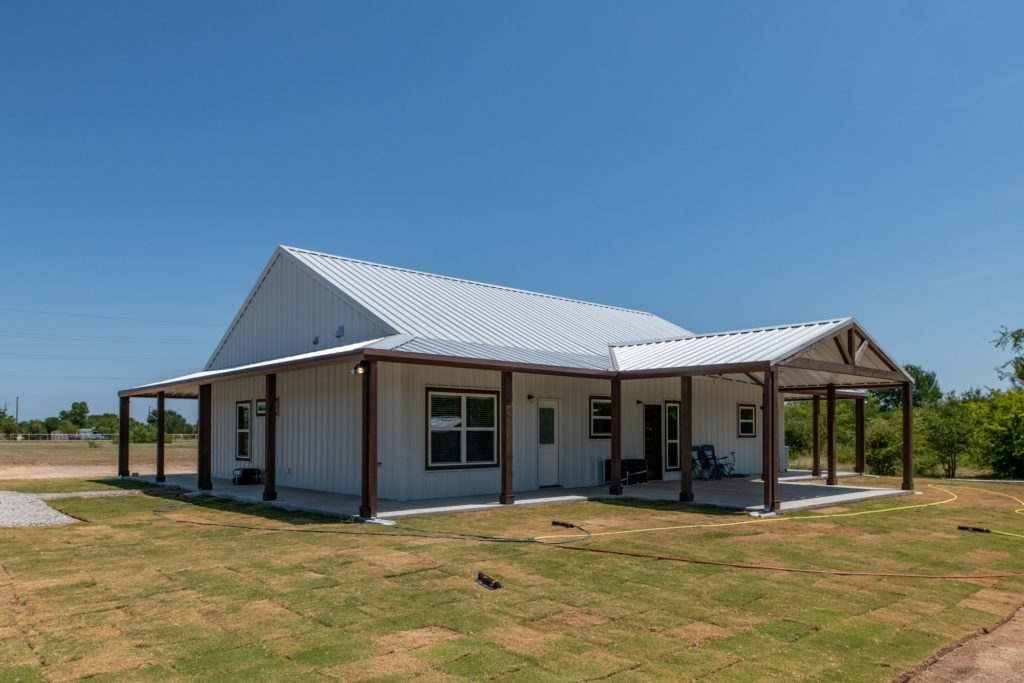
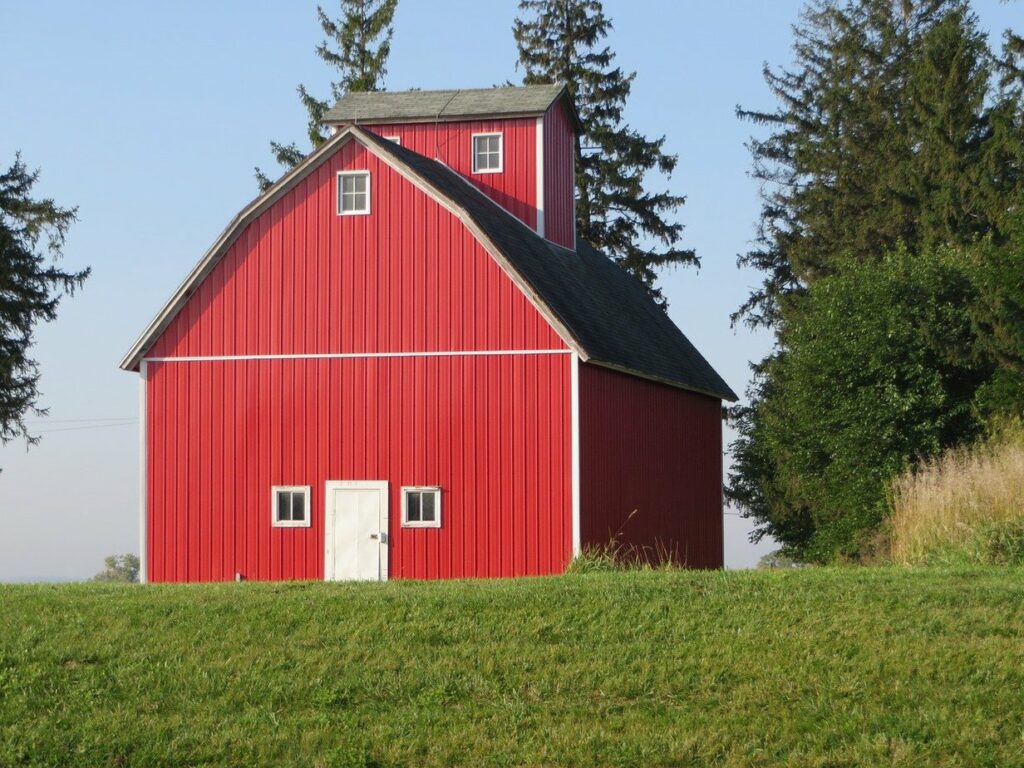
Barndominiums. Barndos (barn-style homes, often with a large shop or garage) are popular in rural parts of many states, including Delaware’s farm country. Most are now stick-framed (built with wood framing like a regular house), not all-steel.
How Much Does It Cost to Build a Home in Delaware?
New Home Magazine estimates it costs about $180–$275 per square foot to build a house in Delaware. For a 2,000-square-foot home, that’s roughly $360,000–$550,000 for the house alone.
What pushes costs up or down in Delaware:
- Coastal building rules. Homes near the shore must handle high winds, and homes in flood zones may need to be raised on pilings or a raised foundation, which adds cost.
- Labor demand. The busy Sussex County beach market keeps builders and subcontractors in demand.
- Foundations. Frost depth is moderate, so footings don’t need to go as deep as in northern states. High water tables near the coast can rule out basements.
- Lot conditions. Wet soils, drainage needs, and septic design can raise sitework costs.
Land, site work, well and septic, utility hookups, and permits are all extra. For a broader comparison, see what it costs to build a new home in all 50 states.
Custom Home Builders in Delaware
These Delaware builders build custom homes, including on land you already own:
- Carl Deputy and Son Builders (Felton and Rehoboth Beach): Builds custom homes on your lot in Kent and Sussex counties and can help you find and assess land.
- Carpenters Creek (Felton, Kent County): Builds fully custom homes on your land, mainly in Kent and Sussex counties.
- Dabar Home Builders (Millsboro): Builds custom homes for clients who already own land across Sussex and Kent counties and offers help with lot searches.
- Bromwell Construction (Wilmington): Builds custom homes across New Castle, Kent, and Sussex counties and helps owners evaluate land they already own.
Delaware doesn’t have a statewide license for residential home builders, but contractors need a Delaware business license, and some counties and towns have their own registration rules. Ask any builder for proof of liability and workers’ comp insurance, talk to past clients, and visit a home they’ve finished.
Construction Loans in Delaware
A construction loan pays your builder in stages (called draws) as the work is done. During the build, you usually pay only interest. When the house is finished, the loan becomes a regular mortgage or is paid off with one. Here’s more on how construction loans work.
FHA and VA construction-to-permanent loans are available through approved lenders. USDA Rural Development loans can work in much of rural Kent and Sussex counties for buyers who meet income limits, and eligible borrowers may not need a down payment.
Lenders to look into:
- Horizon Farm Credit: A Farm Credit cooperative serving Delaware and nearby states that offers construction loans and country home loans.
- Provident State Bank: A community bank whose PSB Mortgage division offers construction loans for primary and vacation homes in the Mid-Atlantic.
Property Taxes in Delaware
Delaware has some of the lowest property taxes in the country. Taxes are set by the three counties, school districts, and towns. Assessments in Delaware were badly out of date for decades, and all three counties completed a court-ordered reassessment that took effect in 2025, so some bills changed. Check with your county for current figures.
Delaware doesn’t have a broad homestead exemption, but seniors may qualify for a school tax credit, and the counties offer some exemptions for older and disabled homeowners.
Home Insurance in Delaware
Delaware’s main home insurance risks are:
- Coastal storms, including hurricanes and nor’easters (strong winter storms off the Atlantic), which bring wind damage and storm surge.
- Flooding, especially in low areas near the bays and the ocean. Standard home insurance does not cover floods, so you’ll need a separate flood policy if you’re in or near a flood zone.
- Winter storms, with snow, ice, and fallen trees.
Ask for insurance quotes before you finalize your design. Your foundation height, roof type, and wind-resistant features can all change your premium. Read more about home insurance for new homes.
Buying Land and Getting Permits in Delaware
Delaware doesn’t have one statewide residential building code. Each county and many towns adopt their own, based on the International Residential Code (a model code used across the country). New Castle, Kent, and Sussex counties each have their own zoning and permit offices, so check with the right one before you buy.
Much of rural Delaware doesn’t have public sewer, so you’ll likely need a septic system. The Delaware Department of Natural Resources and Environmental Control (DNREC) handles septic permits and requires a site evaluation of the soil. Wet or sandy soils may require a more expensive system.
Also look at flood maps, wetlands, and any forest or farmland preservation easements on the property. Our guide on how to buy land to build a house covers the basics.
House Plans for Your Delaware Home
You can browse house plans in every style, from coastal cottages to colonials and modern farmhouses. For barndominium and farmhouse-style plans, including homes with a shop or garage, visit BarndominiumPlans.com. If you want ideas from real projects, Barndominium Life has plenty of barndominium inspiration.
Final Thoughts
Delaware combines low property taxes with farmland, small towns, and beach living, all in a small area. Do your homework on flood zones and septic before you buy land, and choose a builder who knows your county’s rules.