Building a new home in New Jersey looks different than in most states. Open land is limited, so many people build on a lot they already own, often by tearing down an older house, or buy one of the rural lots still found in the northwest hills, Hunterdon County, the Pine Barrens edge, and South Jersey farm country. Others build at the Shore. The payoff is a brand-new, energy-efficient home close to New York City, Philadelphia, and the beach.
Why Build a New Home in New Jersey
Land is scarce, but not gone. New Jersey is the most densely populated state, so buildable land near the cities is expensive. Rural parcels are easier to find in Sussex, Warren, Hunterdon, Salem, Cumberland, and parts of Burlington, Atlantic, and Cape May counties. In established towns, “knockdown and rebuild” projects on existing lots are common.
Four seasons on the coast. Winters bring snow and cold, especially in the northwest, while the southern part of the state is milder. Summers are warm and humid. Coastal areas deal with nor’easters, hurricanes, and flooding, which shape how Shore homes are built.
Growth areas. New construction is active in Monmouth and Ocean counties, Middlesex and Somerset counties, the Morris County suburbs, the Route 78 and Route 295 corridors, and Shore towns where older homes are being replaced with raised, storm-ready houses.
Lifestyle. Strong schools in many towns, quick commutes to NYC and Philadelphia, and more than 100 miles of beaches keep demand high.
Types of New Homes in New Jersey
Here’s how the main types of new homes play out in New Jersey.
Custom homes on your own lot. This is where most New Jersey custom building happens. You own the lot, either a rural parcel or a teardown in an established neighborhood, and hire a builder to design and build a new home. Custom builders here are used to tight lots, town zoning boards, and Shore flood rules.
Builder communities. New subdivisions, townhome communities, and active-adult (55+) communities are common in Monmouth, Ocean, Middlesex, Gloucester, and Burlington counties. You choose from set plans, and the builder handles approvals.
Manufactured and modular homes. Manufactured homes are built in a factory to a federal code. Modular homes are also built in a factory but meet the same state code as site-built homes, and they’re popular in New Jersey for Shore rebuilds and tight schedules because the house can be set in days.
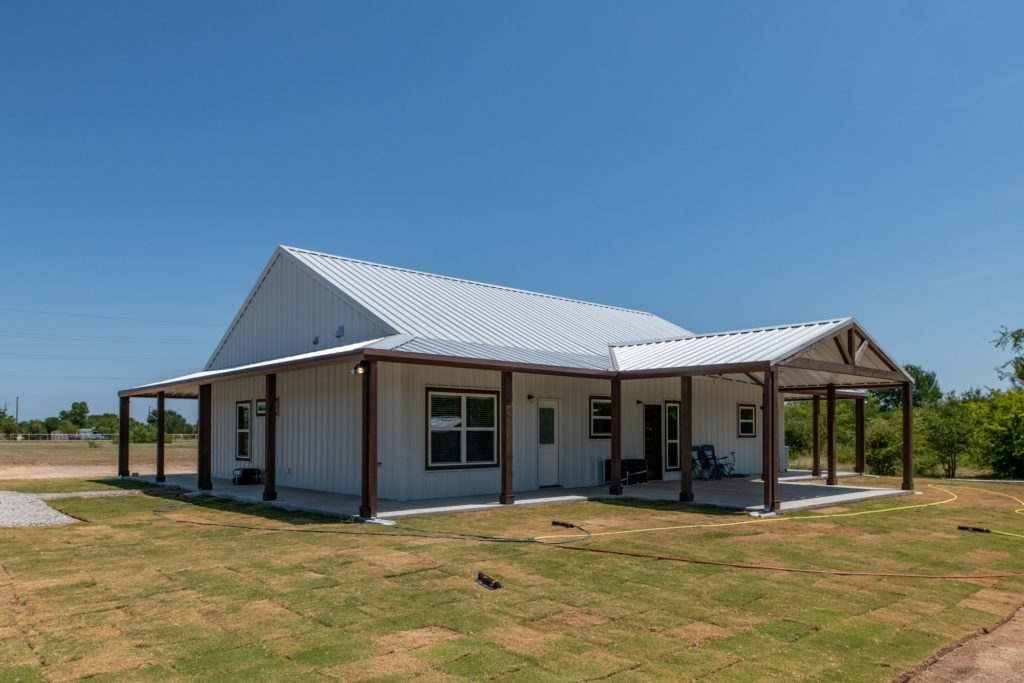
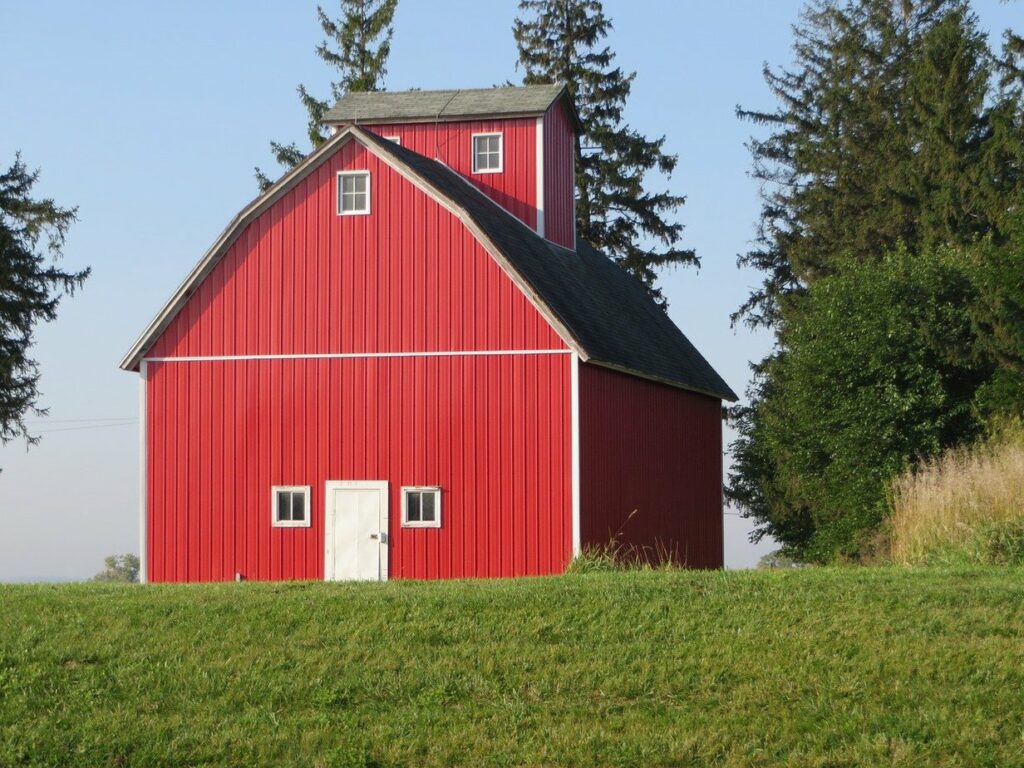
Barndominiums. Barndominiums (barn-style homes, often with a big shop or garage under one roof) are popular in rural parts of many states and show up on larger lots in northwest and South Jersey. Most are now stick-framed with wood like a regular house, though some use steel or post-frame construction.
How Much Does It Cost to Build a Home in New Jersey?
New Home Magazine estimates that building a home in New Jersey costs about $205 to $315 per square foot for the house itself. For a 2,000-square-foot home, that’s roughly $410,000 to $630,000.
Why New Jersey costs more than most states:
- Labor: Skilled labor costs are among the highest in the country, especially in North Jersey.
- Foundations and frost depth: Footings must go below the frost line, and many homes have full basements, which add cost.
- Coastal and flood rules: Homes in flood zones at the Shore must be raised above the flood elevation, often on pilings, and built to higher wind standards.
- Approvals and soft costs: Surveys, engineering, town zoning reviews, and permit fees add up, especially on infill and teardown lots.
- Energy codes: New Jersey’s statewide energy code calls for tight, well-insulated homes, which costs more up front but saves on utility bills.
These numbers are for the house only. Land, demolition of an old house, site work, a well and septic system on rural lots, sewer and water connection fees, and permits are extra. For a comparison with other states, see what it costs to build a new home in all 50 states.
Custom Home Builders in New Jersey
Here are several established builders in different parts of New Jersey that build custom homes:
- Geiss Custom Builders (Millburn): Builds luxury custom homes in Essex and Morris counties, including Short Hills, Morristown, and Madison.
- Michael Robert Construction (Westfield): A design-build firm that handles custom new homes and high-end remodels in Union County and nearby towns.
- Garden State Builders (North Jersey): Builds fully custom luxury homes in northern New Jersey.
- Walters Homes (Long Beach Island): Builds custom coastal homes on LBI and the Jersey Shore, with architecture and construction in-house.
- Bowman Walker Construction (Avalon): Builds custom homes in South Jersey Shore towns including Stone Harbor, Cape May, and Ocean City.
- James Falisi & Son (South Jersey): Builds custom homes from the ground up and handles additions and remodels.
New Jersey requires builders of new homes to register with the state’s New Home Warranty program and provide a warranty on new homes, so ask for the builder’s registration number and look it up with the Department of Community Affairs. Also ask for proof of insurance, call recent clients, and tour a home the builder finished on a lot like yours.
Construction Loans in New Jersey
A construction loan pays for your home while it’s being built. The lender releases money in stages (called “draws”) as work is completed and inspected, and you usually pay interest only during construction. When the house is done, the loan converts to a regular mortgage, or you refinance. A “one-time close” loan does both with a single closing. If you’re tearing down a house, ask how the lender handles the existing mortgage and the demolition. Learn more about how construction loans work.
FHA construction loans allow lower down payments, VA loans are available to eligible veterans, and USDA loans can be used in rural parts of the state, such as much of Sussex, Warren, Salem, and Cumberland counties.
Lenders that offer construction loans in New Jersey include:
- Unity Bank: Offers residential construction loans for owner-occupied homes, including land purchase.
- Fulton Bank: Offers one-time close construction loans for stick-built and modular homes and serves New Jersey customers.
- Farm Credit East: A Farm Credit lender with New Jersey offices in Bridgeton and Flemington that finances country homes and new home construction.
Property Taxes in New Jersey
New Jersey has the highest property taxes in the country. The Tax Foundation ranks it first, with an average effective rate of about 2.38% on owner-occupied homes. Taxes vary a lot from town to town, so compare tax rates when you shop for a lot. A new home will be assessed at its new, higher value.
New Jersey doesn’t have a traditional homestead exemption, but it has several relief programs. ANCHOR pays property tax relief to homeowners and renters below certain income limits, the Senior Freeze reimburses increases for eligible seniors, and Stay NJ is a newer credit for homeowners 65 and older. There are also deductions for veterans and seniors.
Home Insurance in New Jersey
Insurance risks in New Jersey depend a lot on where you build:
- Coastal storms: Shore homes face hurricane and nor’easter risk, and policies there often have separate windstorm deductibles.
- Flooding: Standard home insurance doesn’t cover flood damage. Flood insurance is required in high-risk zones with a mortgage, and inland river flooding is common too, so check the flood map for any lot.
- Snow and ice: Heavy snow, ice dams, and frozen pipes cause many winter claims, especially in North Jersey.
Building above the required flood elevation, using impact-rated windows at the Shore, and installing a newer roof can all help lower premiums. Read more about home insurance for new homes.
Buying Land and Getting Permits in New Jersey
Zoning: Every New Jersey town has zoning, and lot size, setbacks, height limits, and lot coverage rules vary. If your plan doesn’t fit, you may need approval from the town’s zoning board, which takes time.
Special regions: The Pinelands (about 22% of the state’s land) has its own commission and strict development rules. The Highlands region in the northwest and the coastal zone (regulated under CAFRA) also have extra state rules.
Septic and wells: Rural lots without sewer need a septic system designed by an engineer and approved by the local health department, plus a well. Soil testing comes first.
Frost depth: Frost depth is deeper than in the South, and local building departments set the required footing depth.
Building codes: New Jersey has a statewide building code, the Uniform Construction Code, enforced by local construction officials in every town. Expect plan reviews and several inspections.
For more on choosing a lot, read how to buy land to build a house.
House Plans for Your New Jersey Home
Colonial, modern farmhouse, craftsman, and raised coastal styles are all popular in New Jersey. On tight lots, narrow plans and plans with first-floor primary suites are in demand. You can browse plans for every style and have them adapted to your lot and town rules. For barndominium and farmhouse-style plans, visit BarndominiumPlans.com.
Final Thoughts
Building in New Jersey costs more and takes more approvals than in most states, but a new home can save on energy and stand up better to storms. Start by checking zoning, flood maps, and property taxes for your lot, and choose a registered builder who knows your town.