Building a home in Hawaii is a dream for many people, and for local families it’s often the most practical way to stay on the islands as resale prices climb. Island residents building on family land, newcomers buying a lot on the Big Island, and retirees building a second home all take on projects here. This guide covers costs, builders, loans, taxes, insurance and the land and permit steps that make Hawaii different from the mainland.
Why Build a New Home in Hawaii
Each island has its own character. Oahu is the most developed, with Honolulu and most of the state’s jobs. Hawaii Island (the Big Island) has the most available land and the lowest lot prices, especially in Puna and Ka’u. Maui, Kauai, Molokai and Lanai are more rural, with higher land prices on Maui and Kauai and very limited building on Molokai and Lanai.
The climate is mild year-round, so there’s no winter building season and no frost to dig below. The trade-offs are salt air, humidity, heavy rain on windward sides, termites, and the risk of hurricanes, flooding, and on the Big Island, volcanic activity. Homes need to be built for wind, moisture and pests.
New construction is concentrated in a few areas: West Oahu (Kapolei, Ewa and nearby), Central Maui, the Kona and Waimea areas and Hilo side on the Big Island, and Lihue and the south shore on Kauai. On every island, many people build on rural or family-owned lots outside these areas.
Types of New Homes in Hawaii
You have several options for a new home in Hawaii. For a full comparison, see our guide to types of new homes.
Custom Homes on Your Own Lot
Building a custom home on land you own is the main way people build in Hawaii outside of planned communities, and it’s especially common on the Big Island, Maui and Kauai. You buy the land (or already own it, often through family), pick or design a plan, and hire a licensed contractor. It lets you design around trade winds, views and rainfall on your specific site.
Builder and Tract Communities
Production builders work in planned communities, mainly in West and Central Oahu, Central Maui and parts of the Kona coast. You choose from set plans and options. These homes can be easier to finance and faster to finish, but supply is limited and many projects have long waiting lists or income-restricted units.
Manufactured, Modular and Package Homes
Factory-built homes have to be shipped from the mainland or Asia, which adds cost, so they’re less common than on the mainland. More popular are package homes (also called kit homes), where pre-cut materials and plans are shipped in a container and a local contractor assembles them. These can simplify ordering and reduce waste, but you’ll still need a licensed builder and full permits.
Barndominiums
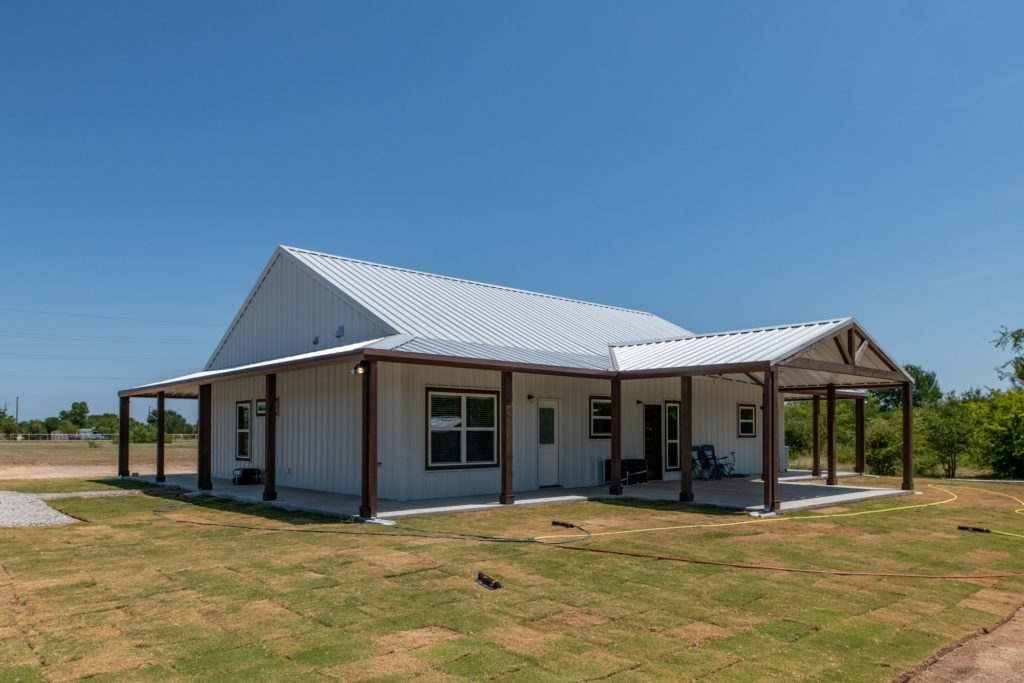
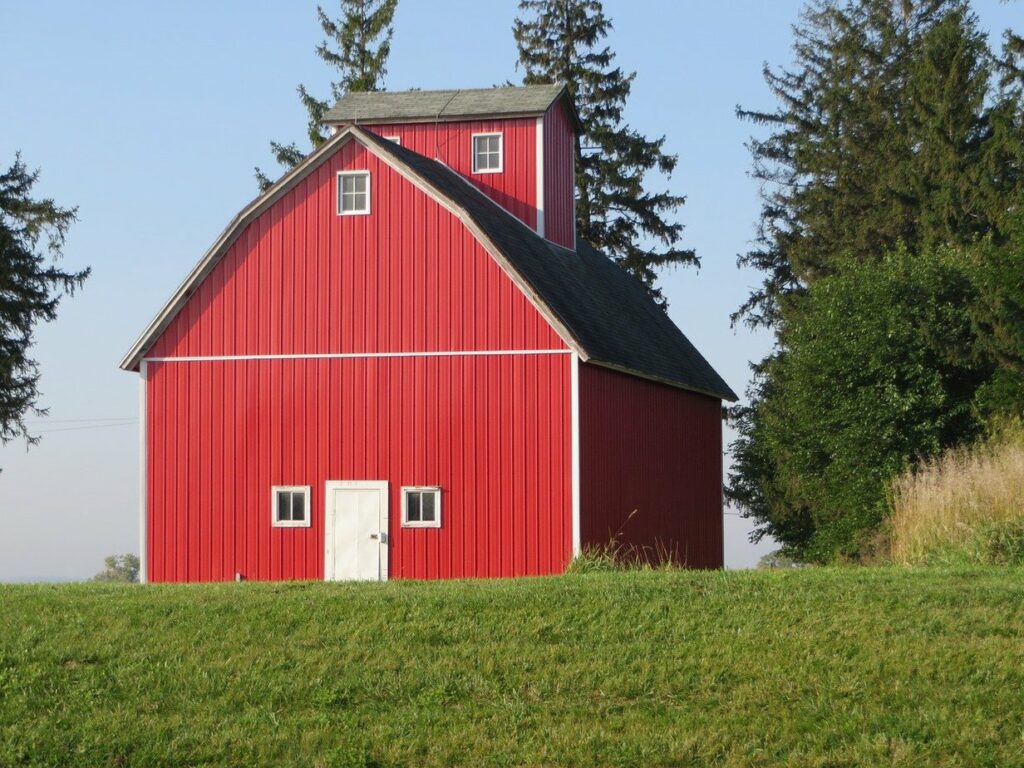
Barndominiums (barn-style homes, often with a big shop or garage under the same roof) are popular in rural parts of many states, and they show up on agricultural lots on the Big Island and Maui. Most are now stick-framed like a standard house with metal roofing, which holds up well in rain and wind.
How Much Does It Cost to Build a Home in Hawaii?
New Home Magazine estimates that building a new home in Hawaii costs about $205–$310 per square foot for the house itself. For a 2,000-square-foot home, that works out to roughly $410,000–$620,000. These are our estimates; actual costs can run higher, especially on remote sites and smaller islands.
What drives Hawaii costs:
- Shipping: Almost all materials come by ocean freight, and goods for the neighbor islands are shipped again from Honolulu.
- Labor market: There are a limited number of contractors, and many are booked months out. Remote job sites may add travel costs.
- Wind and termite rules: Homes must meet wind design rules for hurricanes, and building codes require termite-resistant materials or treatment.
- Foundations: There’s no frost, but lava rock, slopes and uneven ground can require excavation, retaining walls or post-and-pier foundations.
- Remote sites: Rural lots without utilities may need catchment water systems, solar power and long driveways.
Land, site work, water and wastewater systems, utility hookups and permits are all extra. To compare costs nationwide, see what it costs to build a new home in all 50 states.
Custom Home Builders in Hawaii
Here are some Hawaii contractors that build custom homes, including on land their clients own:
- H-1 Construction (Honolulu, serving all islands): Builds custom homes, ADUs and major renovations on Oahu, Maui, Kauai, Hawaii Island, Molokai and Lanai, including new builds on clients’ properties.
- Homeworks Construction (Oahu): A design-build contractor that builds custom new homes, ADUs and additions exclusively on Oahu.
- Island Home Builders (West Hawaii Island): Builds custom and package homes on the west side of the Big Island, along with foundations, rock walls and driveways.
- Boom Hawaii Builders (Hawaii Island): Builds custom single-family homes from the ground up across the Big Island, from Hilo and Puna to Kona and Waimea, including design and permitting help.
- Classic Island Homes (Kauai): Builds custom homes in Plantation, Craftsman and Tropical styles on Kauai, starting with a site evaluation.
Hawaii requires contractors to be licensed by the state Contractors License Board, and you can check a license and any complaints through the state’s Professional and Vocational Licensing (PVL) search. Also confirm the builder carries liability and workers’ comp insurance, call recent clients, and visit a home they’ve finished on your island.
Construction Loans in Hawaii
A construction loan pays your contractor in stages (called draws) as the work is done. You typically make interest-only payments during the build, and many lenders offer a loan that converts to a regular mortgage when the house is finished. Learn more about how construction loans work.
FHA and VA construction loans are options if you qualify. USDA loans can help buyers in rural parts of Hawaii, which includes much of the neighbor islands. Native Hawaiians may also qualify for Department of Hawaiian Home Lands programs. Lenders that offer construction loans in Hawaii include:
- Bank of Hawaii: Offers construction loans for custom homes with interest-only payments during the build, converting to a permanent mortgage.
- Hawaii Community Federal Credit Union: A Hawaii Island credit union offering vacant land and construction loans for primary residences.
- Hawaii Central Federal Credit Union: Offers construction loans for both owner-builders and contractors.
Property Taxes in Hawaii
Hawaii has the lowest effective property tax rates in the country. That’s helpful, but because home values are so high, your actual bill isn’t always small. Each county (Honolulu, Hawaii, Maui and Kauai) sets its own tax rates and property classes, and some counties charge higher rates for homes that aren’t owner-occupied, such as vacation rentals or second homes.
Every county offers a home exemption for owner-occupants who make the home their main residence, with larger exemptions for older homeowners. Apply with your county real property tax office once you move in.
Home Insurance in Hawaii
Hawaii’s main risks are hurricanes and high winds, flooding, tsunamis, wildfire, and on the Big Island, lava flows. Earthquakes are also a risk, especially on Hawaii Island. Recent wildfires have made some insurers more cautious in dry, windy areas.
Practical tips:
- Standard homeowners policies in Hawaii usually exclude hurricane damage. You’ll typically need a separate hurricane policy.
- Flooding isn’t covered by standard policies. Check flood maps and price out flood insurance, especially in coastal and low-lying areas.
- On the Big Island, check the lava hazard zone before you buy land. Homes in zones 1 and 2 can be hard to insure and finance.
- Consider hurricane clips and straps, impact-rated windows or shutters, and fire-resistant landscaping.
- Get a builder’s risk policy while the home is under construction.
For more, see our guide to home insurance for new homes.
Buying Land and Getting Permits in Hawaii
Hawaii has statewide land-use rules. All land is placed in one of four districts (urban, rural, agricultural or conservation), and each county then has its own zoning. Building on agricultural land usually means following farm dwelling rules, and building on conservation land is very limited. Check both the state district and county zoning before you buy.
Also check whether the land is fee simple (you own the land outright) or leasehold (you lease the land for a set number of years). Leasehold land is cheaper upfront but harder to finance and loses value as the lease runs out.
If the lot isn’t on county sewer, you’ll need an individual wastewater system, such as a septic system, approved by the state Department of Health. New cesspools are banned, and the state requires existing cesspools to be replaced by 2050. Many rural lots also lack county water, so you may need a well or a rainwater catchment system.
There’s no frost to worry about, but Hawaii has a statewide building code based on the International Residential Code with local amendments for wind and termites, and each county issues permits. Permit times can be long, especially on Oahu and Maui, so build them into your schedule. For more on choosing land, read how to buy land to build a house.
House Plans for Your Hawaii Home
Whether you want a single-wall plantation-style cottage, a modern home with big lanais, or a home on post-and-pier foundations for a sloped lot, you can browse plans for every style before you meet with a builder. For barndominium and farmhouse-style designs, check out BarndominiumPlans.com.
Final Thoughts
Building in Hawaii takes more planning than almost anywhere else, from shipping costs and permit times to land-use districts and hurricane coverage. Start by checking the land’s zoning, water, wastewater and hazard zones, then talk to licensed local contractors and lenders on your island before you commit.