Illinois has two very different building markets: the Chicago suburbs, where land is tight and many people build on a teardown lot, and the rest of the state, where farmland and small towns offer big lots at a much lower price. Families build here for good jobs, solid schools and a central location, and many choose a custom home on land they already own.
Why Build a New Home in Illinois
Outside the Chicago area, Illinois is mostly farmland and small towns, so rural acreage is easy to find and generally affordable by national standards. Central Illinois cities like Peoria, Bloomington-Normal, Champaign-Urbana and Springfield offer low living costs, and southern Illinois has rolling hills, lakes and the Shawnee National Forest.
In the Chicago area, most new construction is in the outer suburbs of Kane, Kendall, Will, McHenry and DuPage counties, plus teardown-and-rebuild projects in established suburbs on the North Shore and in the western suburbs. The Metro East area across the river from St. Louis also sees steady building.
The climate is classic Midwest: cold, snowy winters, hot and humid summers, and severe spring storms. A new home lets you build in better insulation, efficient heating and cooling, and a safe space for storms from the start.
Types of New Homes in Illinois
You’ll find all the main types of new homes in Illinois. Here’s how they compare.
Custom homes on your own lot. This is the best fit if you want full control over the design, or if you own rural land or a teardown lot in an established suburb. You choose your plan and builder, and the home is built just for your site.
Builder communities. Subdivisions are common in the Chicago collar counties, especially Kane, Kendall and Will counties, and around growing central Illinois cities. They’re quicker and simpler, but you choose from a set menu of plans and options.
Manufactured and modular homes. Factory-built homes can lower costs and shorten build time, especially in rural areas. Modular homes are set on a permanent foundation and are financed like site-built homes.
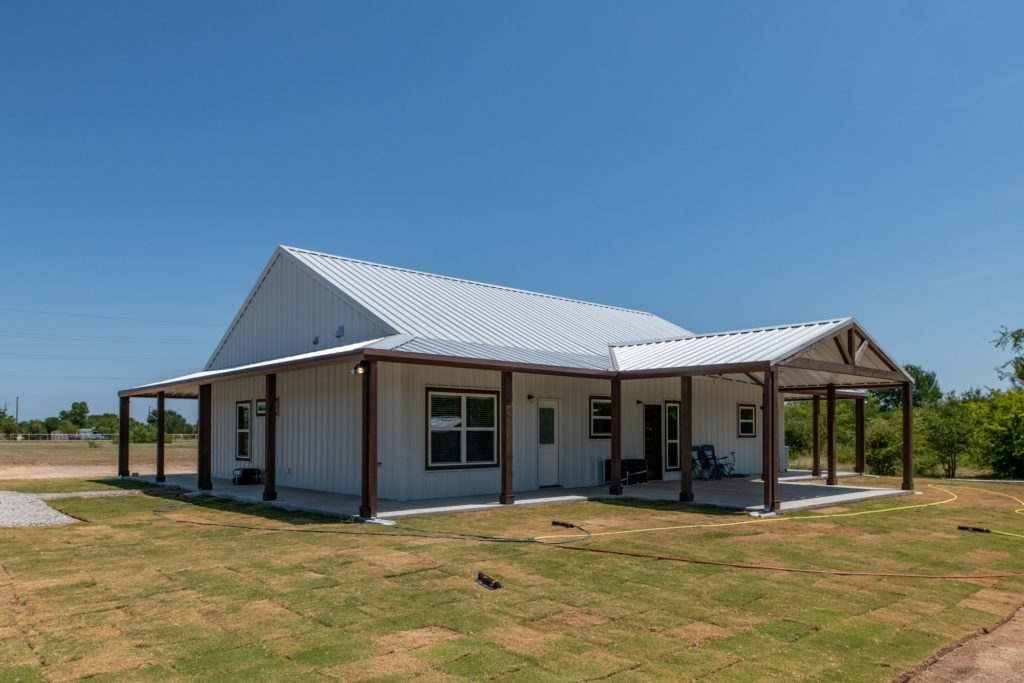
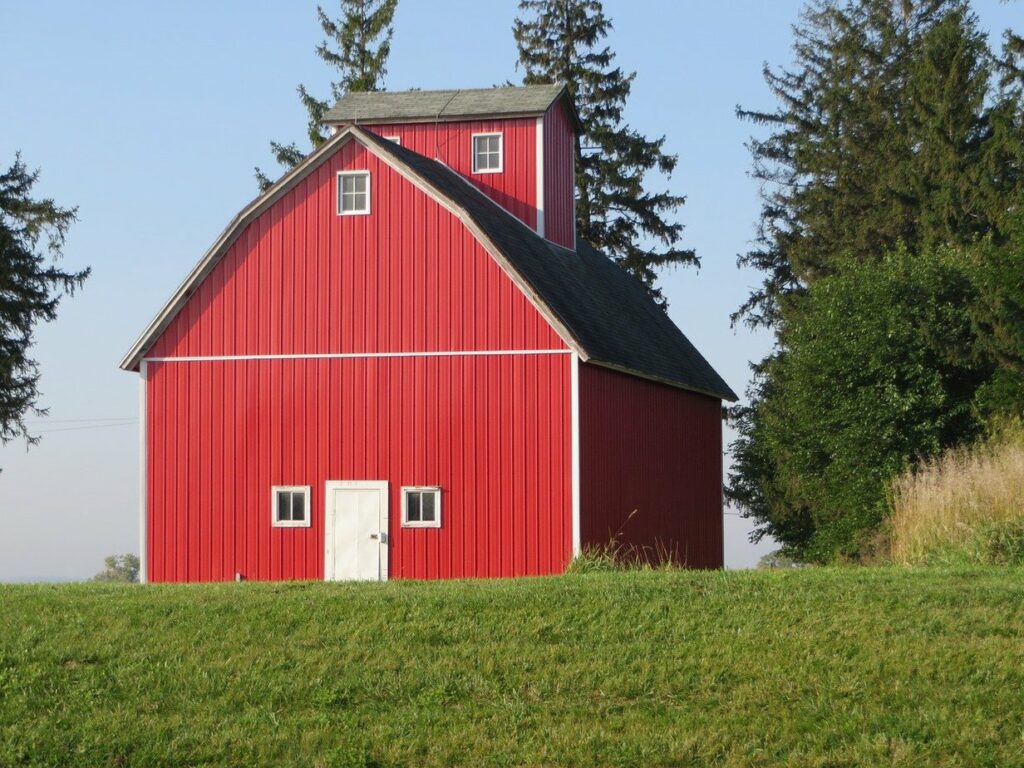
Barndominiums. Barndominiums, homes with a barn-style shell and open living space, are popular in rural parts of many states, and rural Illinois is a natural fit. Most are now stick-framed (built with wood framing like a standard house) rather than all steel, which makes them easier to finance, insure and insulate.
How Much Does It Cost to Build a Home in Illinois?
New Home Magazine estimates that building a home in Illinois costs about $215–$330 per square foot for the house itself. For a 2,000-square-foot home, that’s roughly $430,000–$660,000.
The biggest cost driver is location. Building in the Chicago suburbs costs much more than downstate because of higher labor costs, stricter local codes and design review, and expensive lots. Foundations must go below the frost line, and basements are common in northern Illinois, which adds cost but also adds living space. Downstate, costs drop, but long distances to rural sites can raise delivery and labor charges.
These figures cover the house only. Land, site work, a well and septic system for rural lots, utility connections, demolition for teardown lots, and permits are all extra. For a comparison with other states, see what it costs to build a new home in all 50 states.
Custom Home Builders in Illinois
Here are some Illinois builders that build custom homes in different parts of the state:
- Scott Simpson Design + Build (North Shore, Chicago suburbs): A design-build firm that handles both architecture and construction for custom homes on the North Shore.
- Airhart Construction (DuPage and Kane counties): A family-owned builder that has been building homes in the western suburbs for more than 60 years, with an on-staff architect to customize plans.
- Bushur Construction Co. (Teutopolis, serving Effingham and surrounding counties): Builds custom homes and spec homes and does additions and remodeling in central Illinois.
- Johnson & Johnson Enterprises (Marion, Southern Illinois): Builds post-frame buildings and custom turnkey stick-built homes in Southern Illinois.
Illinois doesn’t have a statewide license for general home builders, although Chicago and some other towns license or register contractors. That makes it even more important to check insurance, ask for references, and look up any local registration. Visit a home the builder recently finished and ask the owners how the process went.
Construction Loans in Illinois
A construction loan covers the cost of building your home and pays your builder in stages (called draws) as the work is done. You typically pay interest only during construction. Some lenders offer construction-to-permanent loans that turn into a regular mortgage when the home is finished, so you only close once. Our guide to how construction loans work explains the details.
FHA and VA loans can be used for new construction with lenders that offer them. USDA loans are a strong option in rural Illinois, which covers much of the state outside the Chicago metro and the larger downstate cities, if you meet the income limits.
Lenders to look at:
- Busey Bank: An Illinois-based bank that offers construction-to-permanent loans with a single closing, plus lot loans.
- Compeer Financial: A Farm Credit lender serving parts of Illinois, Wisconsin and Minnesota, with one-time-close construction loans for building in rural areas.
- Farm Credit Illinois: Offers country living loans for rural homes, rural construction, lots and recreational land.
Property Taxes in Illinois
Illinois has some of the highest property taxes in the country. Taxes are set locally by counties, townships, school districts and other taxing bodies, so bills vary a lot from place to place. Cook County and the collar counties tend to be higher, while many downstate counties are lower, though rates there can still be high compared with other states.
Illinois offers a general homestead exemption that reduces the taxable value of your primary home, plus extra exemptions for seniors, veterans with disabilities and people with disabilities. Make sure you file for the exemptions once you move in, and ask the county assessor how a new home will be valued so you can budget for the tax bill.
Home Insurance in Illinois
Illinois sees tornadoes, hail and severe thunderstorms every year, especially in central and southern Illinois. Winter brings heavy snow, ice and frozen pipes. Flooding is a risk along the Mississippi, Illinois and Ohio rivers and in low-lying suburban areas, and the far southern tip of the state sits near the New Madrid seismic zone, where earthquake coverage is worth considering.
Practical tips: choose impact-resistant roofing to cut hail damage, plan a safe room or basement shelter, buy separate flood insurance if you’re anywhere near a floodplain, and ask about earthquake coverage in southern Illinois. See our guide to home insurance for new homes.
Buying Land and Getting Permits in Illinois
Zoning in Illinois is handled by cities, villages and counties. Most counties have zoning, but some rural counties have little or none outside town limits, so check with both the county and any nearby town whose rules might reach your parcel. Agricultural zoning may require a minimum lot size before you can build a house.
If your lot isn’t on public sewer, you’ll need a private septic system approved by the county health department, usually after a soil evaluation or perc test (a test of how well the soil drains). A private well also needs a permit. Footings need to go below the frost line, which is deeper in northern Illinois than in the south, so confirm the required depth with your local building department.
Illinois doesn’t enforce a single statewide building code for homes, but it does have a statewide energy code, and most towns and many counties adopt their own building codes. Some rural areas have few inspections. For tips on picking a parcel, read how to buy land to build a house.
House Plans for Your Illinois Home
Farmhouse styles, ranches with full basements and two-story family homes all work well in Illinois. You can browse plans for every style and budget. For barndominium and farmhouse-style plans, visit BarndominiumPlans.com, and for barndominium inspiration, take a look at Barndominium Life.
Final Thoughts
Illinois gives you two very different ways to build: a high-cost custom home in the Chicago suburbs or a lot more house for the money downstate. Factor property taxes into your budget from the start, check zoning and septic rules before you buy land, and pick a builder whose work you’ve seen in person.