Wyoming is the least populated state in the country, and that’s a big part of its appeal. People build here for open land, mountain views, low taxes, and a quiet life, whether that means a custom home on acreage outside Cheyenne or Casper or a mountain home near Jackson, Cody, or Sheridan.
Why Build a New Home in Wyoming
Wyoming has land in every direction. Most of the state is high plains and ranch country, broken up by mountain ranges like the Tetons, the Wind Rivers, and the Bighorns. Outside resort areas like Jackson Hole, acreage is affordable, and large lots are common.
The climate is dry, windy, and cold. Winters are long, and the high elevation means chilly nights even in summer. Wind is a constant factor, especially in the southeast corridor from Cheyenne to Laramie and Rawlins. Mountain areas get heavy snow.
Growth is strongest around Cheyenne and Laramie County, where people come from Colorado’s Front Range, and in Casper, Sheridan, Gillette, and the Cody area. Jackson and Teton County keep drawing wealthy buyers, but land there is among the most expensive in the country.
Wyoming also has no state income tax, which is a big draw for retirees and remote workers.
Types of New Homes in Wyoming
Here are the main types of new homes you’ll find in Wyoming.
Custom homes on your own lot. This is the most common way to build in Wyoming. You buy land, often several acres or more, and hire a builder to design a home that handles wind, snow, and long winters while making the most of the views.
Builder and tract communities. Planned neighborhoods are found mostly around Cheyenne, Casper, Laramie, Gillette, and Sheridan. They’re smaller than in fast-growing Sun Belt states, but they offer a quicker, simpler path to a new home.
Manufactured and modular homes. Factory-built homes are common in rural Wyoming, where getting a full crew to a remote site can be slow and costly. Modular homes meet the same codes as site-built homes, and manufactured homes follow a federal code.
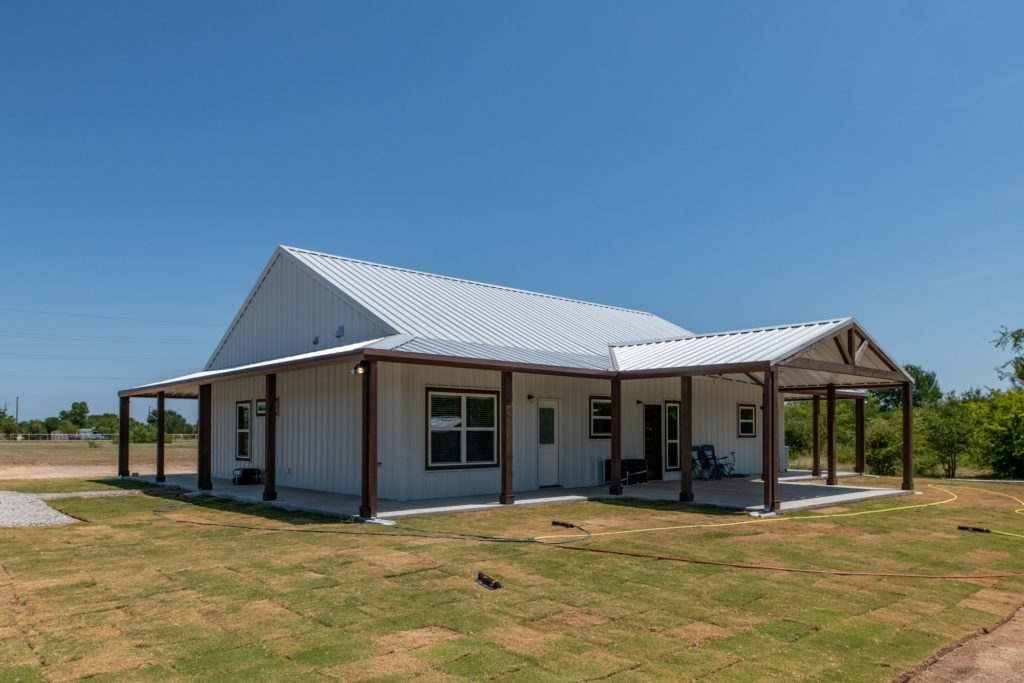
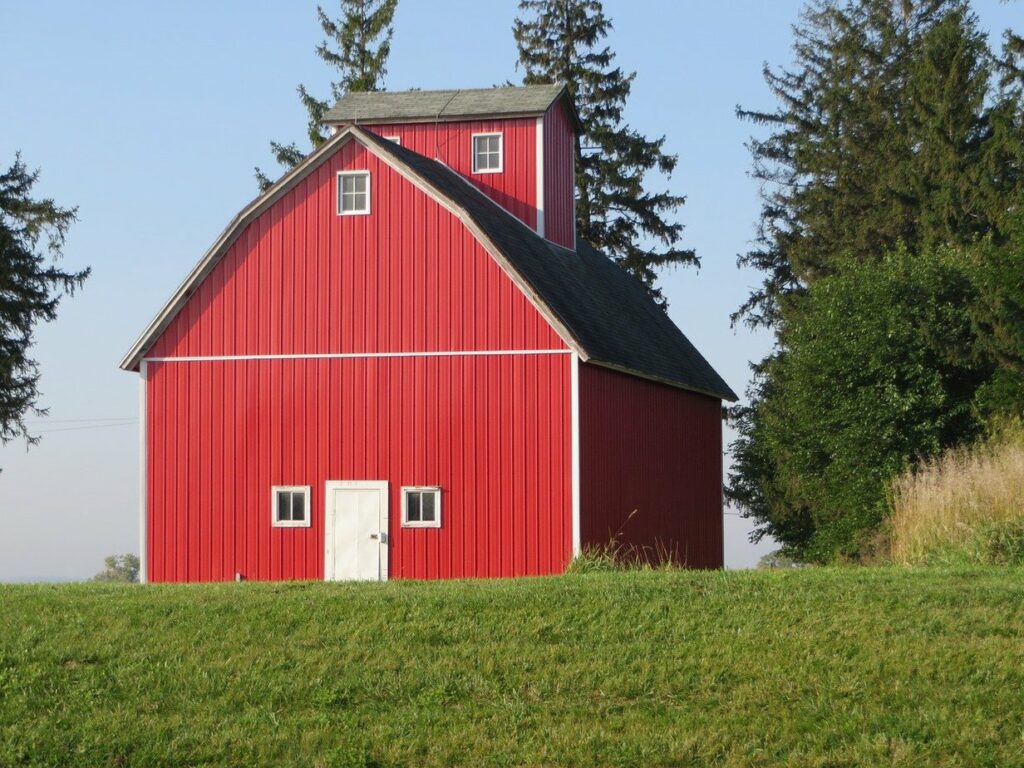
Barndominiums. Barndos (barn-style homes, often with a big shop or garage) are popular in rural parts of many states, and Wyoming’s ranch country is a natural fit. Most are now stick-framed (built with wood framing like a regular house), though post-frame (pole barn style) builds are also common here.
How Much Does It Cost to Build a Home in Wyoming?
New Home Magazine estimates it costs about $170–$260 per square foot to build a house in Wyoming. For a 2,000-square-foot home, that’s roughly $340,000–$520,000 for the house alone.
What drives costs in Wyoming:
- Location. Teton County (Jackson) is in a league of its own, with building costs far above the rest of the state. Cheyenne, Casper, and smaller towns are much more affordable.
- Remote sites. Long hauls for materials and crews, new roads, and long power line runs can add a lot.
- Frost depth. Wyoming’s ground freezes deep, so footings must go well below the surface.
- Wind and snow. Homes need strong roof framing, tie-downs, and good weather sealing to handle high winds and heavy snow.
- Short building season in the mountains can stretch timelines.
Land, site work, well and septic, utility hookups, and permits are extra. See what it costs to build a new home in all 50 states for comparisons.
Custom Home Builders in Wyoming
Here are a few Wyoming builders that build custom homes:
- Leaning Tree Homes (Cheyenne): A family-run builder of custom homes in Laramie County.
- Two Ocean Builders (Jackson): Builds custom homes and commercial projects in Jackson Hole and Teton County.
- Teton Heritage Builders (Jackson): Builds handcrafted custom homes, including log, timber frame, and western contemporary homes, with offices in Jackson Hole and the Bozeman area.
Wyoming has no statewide license for general contractors, though some cities, such as Cheyenne and Casper, require builders to be licensed locally. Ask any builder for proof of liability and workers’ comp insurance, call recent clients, and visit a finished home, ideally one that has been through a Wyoming winter.
Construction Loans in Wyoming
A construction loan pays your builder in stages (called draws) as the home is built. You usually pay only interest during construction, and the loan then converts to a regular mortgage or is paid off with one. Learn more about how construction loans work.
FHA and VA construction-to-permanent loans are available through approved lenders. USDA loans are a strong fit for Wyoming, since most of the state outside the larger towns is rural, for buyers who meet income limits.
Lenders to look into:
- Farm Credit Services of America: A Farm Credit lender serving Wyoming that offers home loans for rural homeowners; ask about construction.
- Platte Valley Bank: A bank with branches in Wyoming and western Nebraska, including Casper and Cheyenne, that offers home loans.
- UniWyo Credit Union: A Wyoming credit union with branches in Casper, Cheyenne, Cody, Laramie, and other towns that offers mortgages.
Property Taxes in Wyoming
Wyoming’s property taxes are among the lowest in the country. Homes are assessed at a small fraction of their market value, and the state collects a lot of revenue from mineral production, which helps keep homeowner bills down. Lawmakers have also passed property tax relief for homeowners in recent years, so check with your county assessor for current rules.
Wyoming doesn’t have a traditional homestead exemption, but it does have a property tax refund program for eligible homeowners and an exemption for qualifying veterans.
Home Insurance in Wyoming
Wyoming’s main home insurance risks are:
- Wind, which can damage roofs, siding, and outbuildings, especially in southeast Wyoming.
- Hail, which is common on the plains and can be severe around Cheyenne.
- Wildfire, especially in forested mountain areas and dry grasslands.
- Heavy snow and frozen pipes during long winters.
- Flooding from spring snowmelt along rivers. Standard home insurance doesn’t cover floods, so ask about a separate policy if your land is near water.
Impact-resistant roofing can lower premiums with some insurers, and distance to a fire station matters for rural homes. Read more about home insurance for new homes.
Buying Land and Getting Permits in Wyoming
Wyoming doesn’t have a mandatory statewide residential building code. Cities and some counties adopt their own codes, usually based on the International Residential Code (a model code used across the U.S.), but many rural counties don’t require building permits or inspections for single-family homes. Even so, the state requires electrical permits and inspections, and septic systems need approval.
Zoning is limited in much of rural Wyoming. That gives you freedom, but it also means less control over what gets built next door. Teton County and some other areas have much stricter rules.
Water is key. Check well depths and water quality in the area, and know that new wells must be permitted through the Wyoming State Engineer’s Office. If there’s no sewer, you’ll need a septic permit from the county or the Wyoming Department of Environmental Quality, along with a soil test.
Frost depth is deep across the state, so footings must go well below grade. Also check winter road access, snow drifting, and distance to power. Our guide on how to buy land to build a house covers the rest.
House Plans for Your Wyoming Home
You can browse house plans in every style, from mountain cabins and lodges to ranch homes and modern farmhouses. For barndominium and farmhouse-style plans with room for a big shop or equipment, visit BarndominiumPlans.com. For real-world barndominium inspiration, check out Barndominium Life.
Final Thoughts
Wyoming offers wide-open land, low taxes, and no state income tax. Design for wind, snow, and deep frost, check water before you buy, and pick a builder with real Wyoming experience.