West Virginia offers mountain views, quiet small towns, and land prices that are hard to find elsewhere in the East. People are building new homes in the fast-growing Eastern Panhandle, around Morgantown, near Charleston and Huntington, and on wooded rural acreage throughout the state. Many are remote workers or retirees looking for space and a slower pace.
Why Build a New Home in West Virginia
Affordable land with a view. Much of the state is forested and hilly, so many lots come with mountain or valley views. Rural acreage is often far cheaper than in neighboring states, though steep ground can make some lots harder to build on.
Four seasons. Summers are warm and fairly humid, and winters bring snow and cold, especially at higher elevations in the Allegheny Mountains. Homes need solid insulation, good heating, and roofs that handle snow.
Growth areas. The Eastern Panhandle (Berkeley and Jefferson counties, including Martinsburg and Charles Town) is growing because it’s within commuting distance of the Washington, D.C., and Baltimore areas. The Morgantown area, including Cheat Lake, is also busy, along with parts of the Charleston, Huntington, and Parkersburg areas.
Lifestyle. Hiking, whitewater rafting, skiing, hunting, and fishing are close by, and the cost of living is low. Many buyers move here for privacy and outdoor recreation.
Types of New Homes in West Virginia
Here’s a quick look at the main types of new homes in West Virginia.
Custom homes on your own lot. You own the land, choose or design a plan, and hire a builder. This is the most common way to build on rural West Virginia land, and it lets you design around slopes, views, and walk-out basements.
Builder communities. New subdivisions are most common in the Eastern Panhandle and around Morgantown. You pick a plan, and the builder handles the lot and permits.
Manufactured and modular homes. Manufactured homes are built in a factory to a federal code and placed on site. Modular homes are also factory-built but meet the same codes as site-built homes. Both are widely used in rural West Virginia and can be a good fit for remote lots, though some subdivisions don’t allow them.
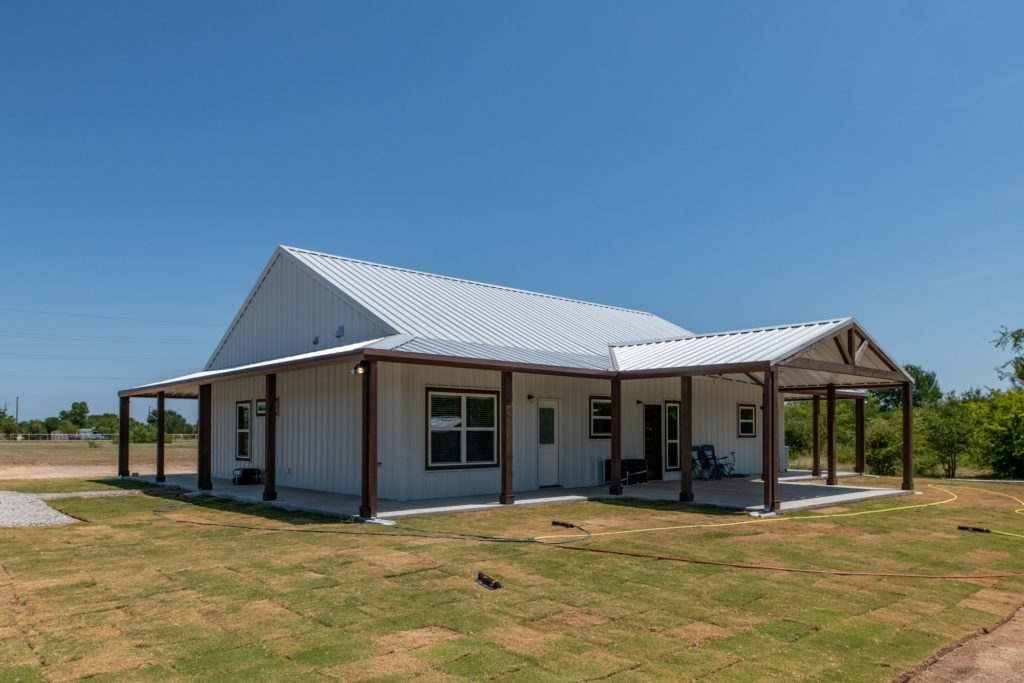
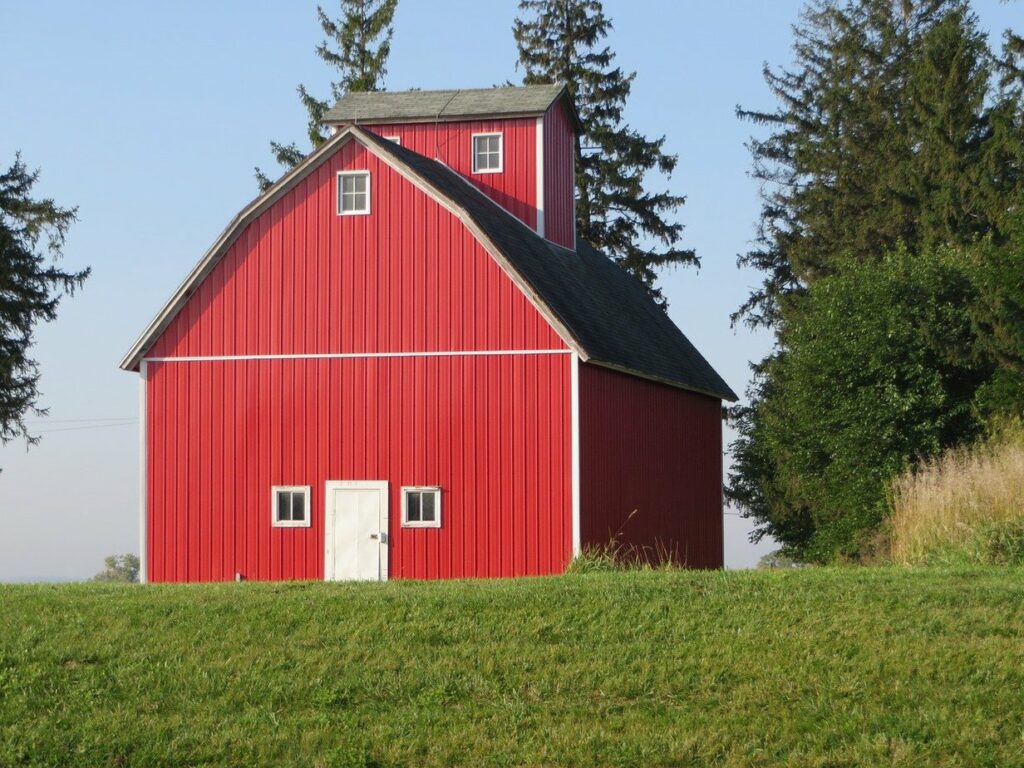
Barndominiums. Barndominiums (barn-style homes, often with a large shop or garage under one roof) are popular in rural parts of many states, including West Virginia. Most are now stick-framed with wood like a regular house, though some use steel or post-frame construction. Log homes are also a long-standing favorite here.
How Much Does It Cost to Build a Home in West Virginia?
New Home Magazine estimates that building a home in West Virginia costs about $160 to $245 per square foot for the house itself. For a 2,000-square-foot home, that’s roughly $320,000 to $490,000.
West Virginia-specific cost factors:
- Steep lots: Hillside sites often need taller foundation walls, retaining walls, and more excavation, but they also make walk-out basements easy.
- Frost depth: Cold winters mean footings must go deeper than in the South, and basements are common.
- Snow loads: Mountain areas need roofs built for heavier snow.
- Labor and distance: Crews can be harder to find in remote areas, and travel time adds cost. The Eastern Panhandle draws on the larger D.C.-area labor market, which can raise prices there.
These estimates cover the house only. Land, site work, driveways, a well and septic system for rural lots, power extensions, and permits are extra, and long driveways on steep land can add up quickly. To compare, see what it costs to build a new home in all 50 states.
Custom Home Builders in West Virginia
Here are a few established builders in different parts of West Virginia that build custom homes:
- Kisamore Enterprises (Morgantown): Builds luxury custom homes in north-central West Virginia and is happy to build on your land.
- Clark Homes & Construction (Morgantown): Builds energy-efficient custom homes, including homes in the Cheat Lake area.
- DuPaul Construction (Martinsburg): Builds new custom homes and handles additions and remodels in Jefferson, Berkeley, and Morgan counties.
West Virginia requires contractors to be licensed through the West Virginia Division of Labor, so ask for a license number and look it up before you sign. Also ask for proof of insurance, call recent clients, and visit a home the builder has finished, ideally on a lot with similar terrain.
Construction Loans in West Virginia
A construction loan pays for your home while it’s being built. The lender releases money in stages (called “draws”) as work is completed and inspected, and you usually pay interest only during construction. When the home is finished, the loan converts to a regular mortgage or you refinance. A “one-time close” loan handles both steps with a single closing. Learn more about how construction loans work.
FHA loans allow lower down payments, VA loans are available to eligible veterans, and USDA loans are designed for rural areas, which covers most of West Virginia.
Lenders that offer construction or rural home loans in West Virginia include:
- Horizon Farm Credit: A Farm Credit lender with West Virginia offices that offers construction loans for stick-built, modular, and log homes, with land and construction in one loan.
- Farm Credit of the Virginias: Offers home, land, and construction loans for rural properties, including owner-managed builds.
- City National Bank: A West Virginia bank that offers mortgages; ask about construction financing.
Property Taxes in West Virginia
West Virginia’s property taxes are below the national average. Homes are assessed at a percentage of their value, and tax rates (levies) are set by the county, school district, and city. Owner-occupied homes are taxed at a lower rate than rental or commercial property.
West Virginia offers a homestead exemption for homeowners who are 65 or older or permanently and totally disabled, which takes part of the home’s assessed value off the tax rolls. Apply with your county assessor.
Home Insurance in West Virginia
Home insurance in West Virginia is often more affordable than the national average, but there are risks to plan for:
- Flooding: Flash floods are the state’s biggest natural hazard, especially in narrow valleys and along creeks and rivers. Standard policies don’t cover flood damage, so check flood maps and consider flood insurance even outside mapped flood zones.
- Winter storms: Heavy snow and ice can damage roofs and bring down trees.
- Landslides: Steep slopes can be prone to slides after heavy rain, and landslide damage is usually not covered by standard policies.
- Severe storms: Strong thunderstorms and high winds cause damage in spring and summer.
Building above flood level, managing drainage on hillsides, and choosing a durable roof can all help. Read more about home insurance for new homes.
Buying Land and Getting Permits in West Virginia
Zoning: Many rural West Virginia counties have little or no zoning, which gives landowners a lot of freedom. Cities and some faster-growing counties, like those in the Eastern Panhandle, have zoning and subdivision rules.
Septic and perc tests: Most rural lots need a septic system permitted by the county health department. Rocky or steep ground can make septic harder, so get a perc test before you buy.
Frost depth: Frost depth is deeper than in the South, and local building departments set the required footing depth.
Building codes: West Virginia has a state building code, but it applies only where a city or county has chosen to adopt and enforce it. Many rural areas have no local inspections, so ask your builder to follow current code anyway, since lenders and insurers may expect it.
Access and utilities: Check road access, rights-of-way, mineral rights, and the cost of bringing in power and water. Mineral rights are often owned separately from the surface land in West Virginia, so read your title report carefully.
For more help, read how to buy land to build a house.
House Plans for Your West Virginia Home
Mountain craftsman, log and timber homes, modern farmhouses, and plans with walk-out basements all fit West Virginia’s hilly land. You can browse plans for every style before you choose a builder. For barndominium and farmhouse-style plans, see BarndominiumPlans.com. For barndo ideas, visit Barndominium Life.
Final Thoughts
West Virginia offers beautiful, affordable land, but slopes, septic, and flood risk deserve a close look before you buy. Choose your lot carefully, line up a construction loan early, and hire a licensed builder who knows your part of the state.