Maryland packs a lot into a small state: busy suburbs near Baltimore and Washington, horse country and farmland in the middle, the Chesapeake Bay and Eastern Shore, and mountains out west. Many people who build here want more space than the suburbs offer and choose to build a custom home on their own lot.
Why Build a New Home in Maryland
Land is pricey near Washington and Baltimore, but it gets more affordable quickly as you move out. Carroll, Frederick, Harford, and Cecil counties offer rural lots within commuting distance of the cities. Southern Maryland (Charles, Calvert, and St. Mary’s counties) and the Eastern Shore have farmland and waterfront property, and Western Maryland (Garrett, Allegany, and Washington counties) has the lowest land prices and a mountain setting.
The climate is humid, with hot summers and cool to cold winters. Snow is heavier in Western Maryland, while coastal areas deal with tropical storms and nor’easters (strong winter storms off the Atlantic).
Growth is strongest in Frederick County, along the I-95 corridor in Harford and Cecil counties, in Charles County in Southern Maryland, and around Kent Island and Easton on the Eastern Shore.
Types of New Homes in Maryland
Here’s a look at the main types of new homes in Maryland.
Custom homes on your own lot. Many Maryland builders specialize in building on individually owned lots, whether it’s an infill lot in Baltimore County, a few acres in Carroll County, or a waterfront parcel on the Eastern Shore. You control the design, and the builder works around your site.
Builder and tract communities. Planned neighborhoods are common in Frederick, Charles, Howard, Anne Arundel, Harford, and Cecil counties. You choose from the builder’s floor plans, and the lot is included.
Manufactured and modular homes. Modular homes are built in a factory to Maryland’s building code and set on a permanent foundation. Manufactured homes follow a federal code. Both are options in rural parts of the state, though some counties limit where manufactured homes can go.
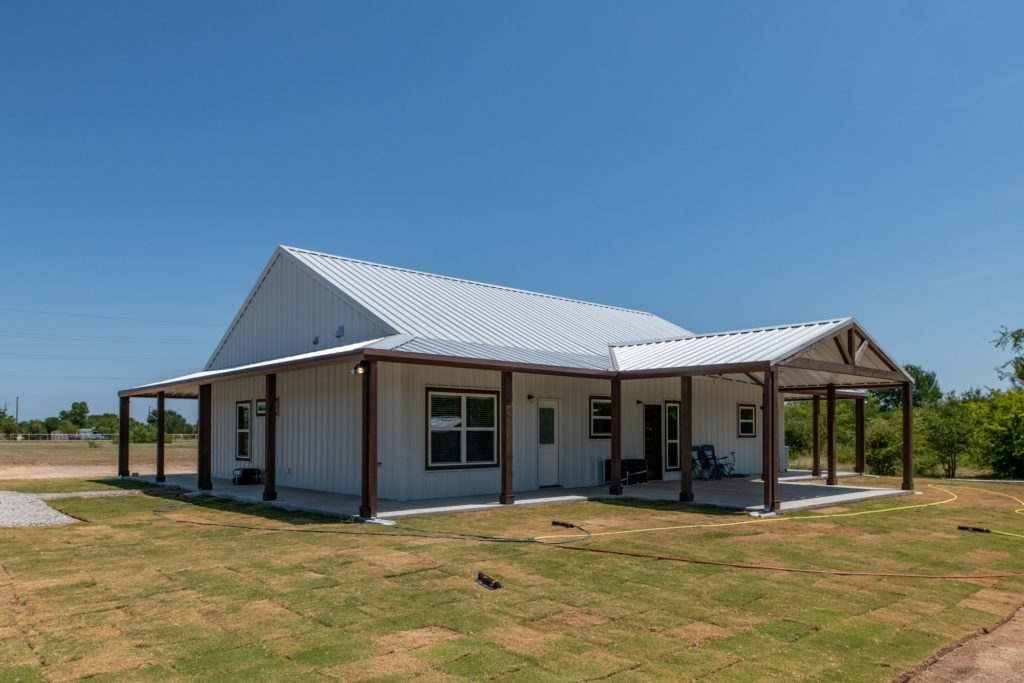
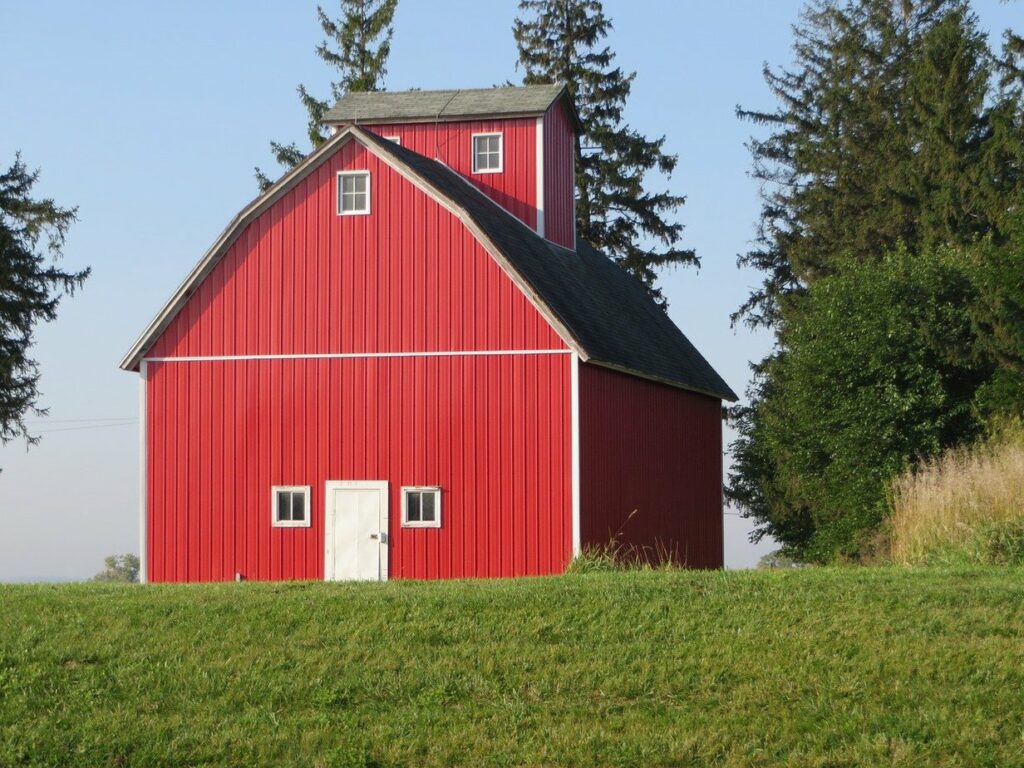
Barndominiums. Barndos (barn-style homes, often with a big shop or garage) are popular in rural parts of many states, including Maryland’s farm country. Most are now stick-framed (built with wood framing like a regular house), not all-steel.
How Much Does It Cost to Build a Home in Maryland?
New Home Magazine estimates it costs about $175–$270 per square foot to build a house in Maryland. For a 2,000-square-foot home, that’s roughly $350,000–$540,000 for the house alone.
What pushes costs up or down in Maryland:
- Location and labor. Building near Washington and Baltimore costs more because labor is in high demand. Rural Western Maryland and parts of the Eastern Shore can be less expensive.
- Foundations. Frost depth ranges from moderate in Southern Maryland and the Eastern Shore to deeper in the western mountains, so footing depth varies. Basements are common in central and western Maryland.
- Coastal and waterfront rules. Building near the Chesapeake Bay may require extra environmental steps, raised foundations in flood zones, and higher wind standards.
- Septic requirements. Many new homes need an advanced septic system, which costs more than a basic one.
Land, site work, a well and septic system, utility hookups, and permits are extra. See what it costs to build a new home in all 50 states for comparisons.
Custom Home Builders in Maryland
These Maryland builders build custom homes on land you already own:
- Castle Rock Builders (Lutherville-Timonium): Builds custom homes only on individually owned lots in Baltimore, Carroll, Harford, Howard, Anne Arundel, and Frederick counties.
- OYL Homes (Columbia): Builds custom homes on client-owned land in central Maryland and can help you find a parcel.
- Litz Custom Homes (White Plains, Southern Maryland): Designs and builds custom homes on your property in Charles, St. Mary’s, and Calvert counties.
- Lacrosse Homes (Stevensville, Eastern Shore): Builds its customizable plans or your own design on your lot across Maryland’s Eastern Shore.
- Carl Deputy and Son Builders (Delaware-based, serving Maryland’s Eastern Shore): Builds custom homes on your lot in Delaware and on Maryland’s Eastern Shore.
Maryland requires new home builders to register with the state’s Home Builder Registration Unit, so confirm a builder’s registration number before you sign. Also ask for proof of liability insurance, call past clients, and tour a home they’ve finished.
Construction Loans in Maryland
A construction loan pays your builder in stages (called draws) as work is finished. You usually pay only interest during the build, and the loan then converts to a regular mortgage or is paid off with one. Read more on how construction loans work.
FHA and VA construction-to-permanent loans are available through approved lenders. USDA loans can work in rural parts of Maryland, such as much of the Eastern Shore, Southern Maryland, and Western Maryland, for buyers who meet income limits.
Lenders to look into:
- Horizon Farm Credit: A Farm Credit cooperative serving Maryland and nearby states that offers construction loans and country home loans.
- Provident State Bank: A community bank whose PSB Mortgage division offers construction loans for primary and vacation homes in the Mid-Atlantic.
Property Taxes in Maryland
Maryland’s property taxes are around the national average, though they vary quite a bit by county and town. Both the state and your county (or Baltimore City) levy property taxes, and some towns add their own.
Maryland has a Homestead Property Tax Credit that limits how much the taxable value of your primary home can rise each year. You have to apply for it with the State Department of Assessments and Taxation (SDAT). There’s also a Homeowners’ Tax Credit for households with lower incomes.
Home Insurance in Maryland
Maryland’s main home insurance risks are:
- Hurricanes and tropical storms, especially near the Chesapeake Bay and the Atlantic coast.
- Flooding from storm surge, heavy rain, and rivers. Standard home insurance does not cover floods, so buy a separate flood policy if your land is in or near a flood zone.
- Winter storms, with heavy snow in Western Maryland and ice storms statewide.
- Severe thunderstorms, with strong wind and occasional tornadoes.
Get insurance quotes before you finalize your design, since foundation height, roof type, and wind-resistant features can affect your rate. Read more about home insurance for new homes.
Buying Land and Getting Permits in Maryland
Maryland has a statewide building code, the Maryland Building Performance Standards, based on the International Residential Code (a model code used across the U.S.). Counties and some cities enforce it and can add local changes. Zoning is handled by each county and is fairly detailed in most of the state, so check minimum lot sizes, setbacks, and farmland preservation rules before you buy.
If your land is within 1,000 feet of tidal water, it’s likely in the Chesapeake and Atlantic Coastal Bays Critical Area, which has extra limits on clearing, building, and impervious surfaces (pavement and roofs).
Most rural lots need a well and septic system. Your county health department runs the perc test (a soil test that shows whether the ground can absorb septic water). Many new homes, especially near the Bay, must use an advanced septic system that removes more nitrogen.
Frost depth ranges from shallower in the east to deeper in the western mountains. See our guide on how to buy land to build a house.
House Plans for Your Maryland Home
You can browse house plans in every style, from colonials and Cape Cods to modern farmhouses. For barndominium and farmhouse-style plans, including homes with a shop or garage, visit BarndominiumPlans.com. For real-world barndominium ideas, Barndominium Life is a great place to look.
Final Thoughts
Maryland offers suburbs, farmland, waterfront, and mountains, all within a few hours’ drive. Check septic and Critical Area rules early, and choose a registered builder who knows your county.