Michigan offers lakes, woods, four true seasons, and land prices that are still reasonable in much of the state. Families build here for a lake house up north, a home on acreage outside Grand Rapids or Detroit, or a new build close to good schools and jobs.
Why Build a New Home in Michigan
Michigan has more freshwater shoreline than almost anywhere in the country, plus thousands of inland lakes. That makes waterfront and lake-access lots a big draw. Away from the water, farmland and wooded parcels in the Thumb, mid-Michigan, and Northern Michigan are often affordable.
The climate is the biggest design factor. Winters are long, cold, and snowy, especially in the north and in lake-effect snow belts along Lake Michigan and Lake Superior. A new home can be built with better insulation, tighter construction, and efficient heating, which makes a real difference in winter energy bills.
Growth is strongest in West Michigan (Grand Rapids, Holland, Zeeland), the northern and western suburbs of Detroit (Oakland, Macomb, and Livingston counties), Ann Arbor and Washtenaw County, and the Traverse City area.
Types of New Homes in Michigan
You can build a new home in Michigan in several ways. For an overview, see our guide to the types of new homes.
Custom Homes on Your Own Lot
A custom home on your own land is very common in Michigan, from family farmland to lakefront lots to wooded acreage up north. Many Michigan builders specialize in building on the client’s land and can help you evaluate a site before you buy.
Builder and Tract Communities
Production builders are most active in the Grand Rapids suburbs, Livingston and Oakland counties, the Lansing area, and around Ann Arbor. You choose from a set of plans and options, and the builder supplies the lot.
Manufactured and Modular Homes
Factory-built homes can save money and time, which matters in a state with a short building season. Modular homes are built to Michigan’s residential code and set on a foundation. Manufactured homes follow a federal code and are common in rural areas and land-lease communities.
Barndominiums
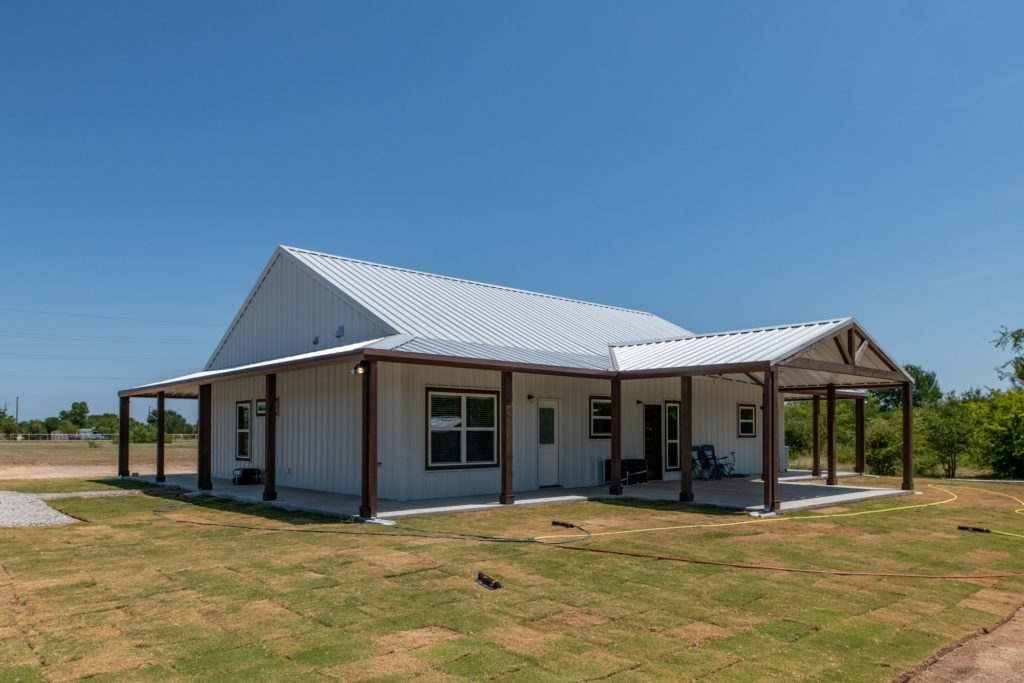
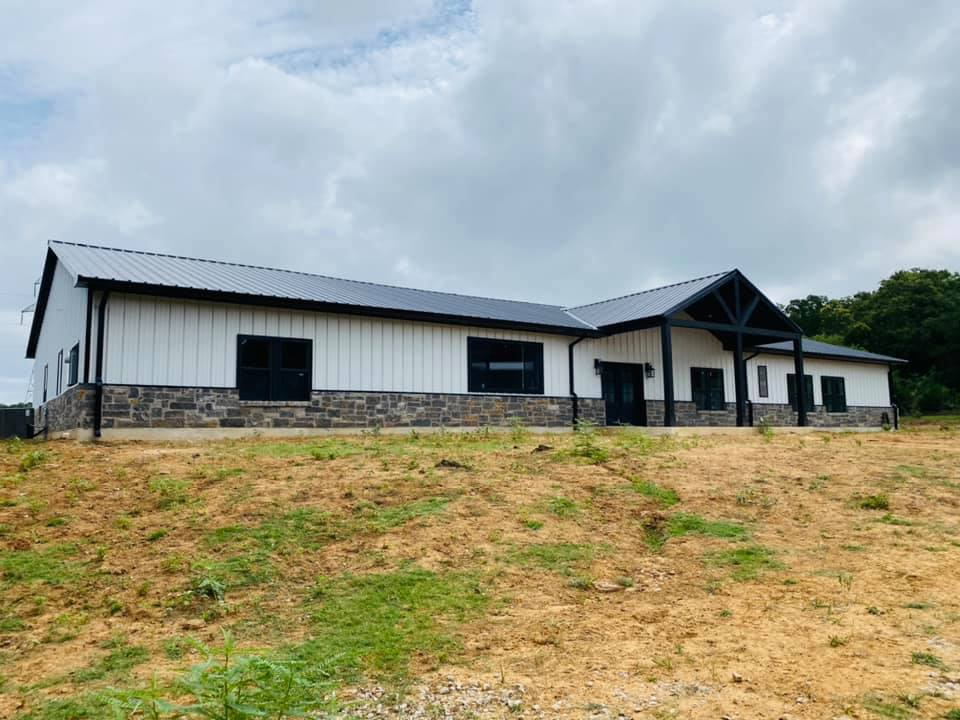
Barndominiums, barn-style homes with open floor plans and often a large garage or workshop, are popular in rural parts of many states, including Michigan. Most are now stick-framed (built with standard wood framing) rather than steel, which makes them easier to finance, insulate for cold winters, and permit like a regular house.
How Much Does It Cost to Build a Home in Michigan?
New Home Magazine estimates that building a home in Michigan costs about $195–$295 per square foot for the house itself. For a 2,000-square-foot home, that’s roughly $390,000–$590,000.
Michigan’s climate drives many of its costs:
- Deep foundations: Footings must go below the frost line, which is deep in Michigan. Many homes include a full basement because you’re already digging that deep.
- Snow loads: Roofs must be designed to carry heavy snow, especially in the Upper Peninsula and lake-effect areas.
- Insulation and heating: Michigan’s energy code calls for more insulation and better windows than warmer states.
- Short building season: Winter can slow or stop some work, which affects scheduling.
- Remote locations: Building in the Upper Peninsula or remote northern areas can mean higher delivery and labor costs.
The per-square-foot number covers the house only. Land, site work, a well and septic system, utility hookups, and permits are extra. See what it costs to build a new home in all 50 states to compare.
Custom Home Builders in Michigan
Here are some Michigan builders that build custom homes, including on land you own:
- Wayne Homes (Hartland, Southeast Michigan): Builds custom homes on the customer’s land, including family land, lakefront lots, and wooded acreage.
- Snowden Builders (Grandville, West Michigan): A West Michigan custom home builder with an on-your-lot building program.
- Spaces Designer Homes (Grand Rapids): A boutique custom home builder in West Michigan that builds on your lot.
- Birch Cove Builders (Northport, Leelanau County): Builds custom homes, additions, and remodels across Leelanau County and Traverse City.
- Raasio Homes (Houghton, Upper Peninsula): A custom home builder serving Michigan’s Western Upper Peninsula.
Michigan requires residential builders to be licensed by the state, so look up any builder’s license through the state’s licensing agency before you sign. Also ask for proof of insurance, check references, and tour a finished home to see the work up close.
Construction Loans in Michigan
A construction loan covers the cost of building your home and pays the builder in stages (called draws) as the work is finished. A one-time close or construction-to-permanent loan becomes a regular mortgage when the house is done, which saves you a second closing. Learn more about how construction loans work.
FHA and VA construction loans can lower your down payment, and USDA loans are worth a look in rural Michigan, which includes much of the northern Lower Peninsula, the Thumb, and the Upper Peninsula.
Lenders that offer construction loans in Michigan include:
- GreenStone Farm Credit Services: Based in East Lansing, it offers home construction loans with a one-time close and an interest-only build period, including for owner-builders.
- Mercantile Bank: A Michigan community bank that offers construction mortgage options. It also now handles mortgages for Eastern Michigan Bank customers.
Local credit unions across Michigan also make construction loans and are worth calling.
Property Taxes in Michigan
Michigan’s property taxes are above the national average. Your tax bill is based on “taxable value,” and while you own the home, increases in taxable value are capped each year, even if the market rises faster. When a property sells, the cap resets. New construction is added to the tax rolls once it’s built.
If the home is your main residence, file for the Principal Residence Exemption (often called the homestead exemption) with your local assessor. It exempts your home from a large portion of local school operating taxes and can make a big difference in your bill.
Home Insurance in Michigan
Michigan’s main risks are weather-related:
- Snow and ice: Heavy snow and ice dams can damage roofs. Good attic insulation and ventilation help prevent ice dams.
- Frozen pipes: Keep plumbing out of exterior walls where possible.
- Severe storms and tornadoes: Spring and summer storms can bring hail, high winds, and occasional tornadoes, especially in southern Michigan.
- Flooding and high water: Standard policies don’t cover floods. If you build near a lake or river, ask about flood insurance and shoreline erosion.
- Basement water: Consider sump pump and sewer backup coverage, which is often an add-on.
Get quotes early and ask how your construction choices affect the premium. See our guide to home insurance for new homes.
Buying Land and Getting Permits in Michigan
Michigan has a statewide residential building code that applies everywhere in the state, enforced by local building departments or by the state where no local department exists. Zoning is handled by townships, cities, and counties, and nearly all areas have some form of zoning.
Before you buy land, check:
- Septic and well: County or district health departments approve septic systems and wells, usually after a soil evaluation. Some soils, especially heavy clay, may require a more expensive engineered system.
- Wetlands: Michigan regulates building in wetlands, and many rural parcels have wet areas. Have the land checked before you buy.
- Shoreline rules: Lakefront lots may have setback rules and limits on seawalls, docks, and tree removal.
- Frost depth: Michigan’s frost line is deep, so plan for footings several feet down or a full basement.
- Road access: Seasonal roads up north may not be plowed in winter.
Our guide on how to buy land to build a house covers more.
House Plans for Your Michigan Home
Cottage-style lake homes, modern farmhouses, Craftsman designs, and plans with walkout basements all work well in Michigan. You can browse plans for every style, then have your builder confirm the design meets local snow-load and energy requirements. For barndominium and farmhouse-style plans, visit BarndominiumPlans.com, and for barndominium inspiration, see Barndominium Life.
Final Thoughts
Building in Michigan means planning for winter, from deep foundations to strong roofs and good insulation. Find a licensed local builder, get your land checked for wetlands and septic early, and you can build a home that’s comfortable in every season.