Florida keeps attracting new residents from all over the country: retirees chasing warm winters, remote workers, and families drawn by no state income tax and year-round outdoor living. Many of them choose to build rather than buy, so they can get a home designed for the heat, the humidity and hurricane season from day one. This guide covers what it costs, who builds, how to finance it, and what to know about land, permits and insurance.
Why Build a New Home in Florida
Florida’s climate is the main attraction. Winters are mild across most of the state, which means you can build year-round and spend more of your life outdoors. The trade-offs are summer heat and humidity, heavy afternoon rain, and hurricane season from June through November.
A new home handles those conditions better than many older ones. Florida’s statewide building code has been strengthened over the years, so a newly built house has stronger roof connections, impact-rated windows or shutters where required, and better energy efficiency for long cooling seasons. That can also help with insurance costs.
Growth is spread across several regions. Central Florida around Orlando, Lakeland and the I-4 corridor has grown quickly, as has the Tampa Bay area and the counties north of it. Northeast Florida around Jacksonville and St. Augustine, Southwest Florida from Sarasota down to Fort Myers and Naples, and the Treasure Coast around Port St. Lucie are all busy. In the Panhandle, Pensacola, the Emerald Coast and Tallahassee draw buyers who want lower land prices and a more Southern pace. Rural acreage is easiest to find in North Florida and the inland parts of Central Florida.
Types of New Homes in Florida
You have several ways to get a new home in Florida. Here’s a quick overview; our guide to types of new homes goes into more detail.
Custom Homes on Your Own Lot
Building a custom home on land you own gives you the most control over layout, finishes and how the home handles Florida’s weather, from roof shape to window placement for shade and breezes. Many Florida builders run “build on your lot” programs, and some will help you evaluate a lot before you buy it, which is especially useful for waterfront and wooded sites.
Builder and Tract Communities
Large planned communities are a big part of Florida’s new-home market, especially along the I-4 corridor, around Tampa Bay, in Northeast Florida, on the Treasure Coast and in Southwest Florida. You pick from set floor plans and options. These communities can be convenient, but many come with homeowners association (HOA) fees and rules, and sometimes extra special-district fees on the tax bill.
Manufactured and Modular Homes
Manufactured homes (built to a federal code in a factory) and modular homes (built in sections to Florida’s building code) are both common, particularly in rural areas and retirement communities. Modular homes in Florida must meet the same wind requirements as site-built homes. Check local zoning, since some counties and subdivisions restrict manufactured homes.
Barndominiums
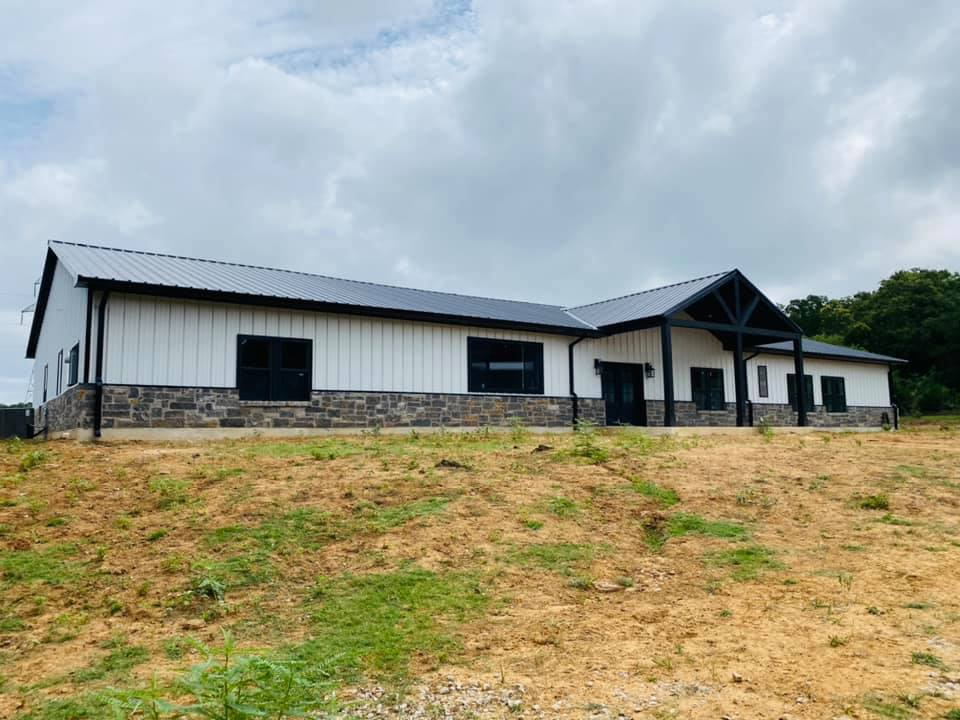
Barndominiums, homes with a barn-style look and often a large shop or garage under the same roof, are popular in rural parts of many states, including North and Central Florida. Most are now stick-framed (built with wood framing like a regular house) or use concrete block for the lower walls, and they must meet the same Florida wind and code requirements as any other home.
How Much Does It Cost to Build a Home in Florida?
New Home Magazine estimates that building a home in Florida costs about $160–$245 per square foot for the house itself. For a 2,000-square-foot home, that’s roughly $320,000–$490,000.
Here’s what moves costs up or down in Florida:
- Wind codes: Florida’s building code requires homes to resist hurricane-force winds. Impact-rated windows and doors, stronger roof decking and straps all add cost, especially in coastal “wind-borne debris” zones.
- Concrete block construction: Many Florida homes use concrete block (often called CBS) walls for the first floor, which affects cost and the pool of available crews.
- Flood zones: Lots in flood zones may require the home to be raised on fill or pilings, which can add a lot of cost.
- Shallow foundations: Frost isn’t a concern, so slab-on-grade foundations are the norm, which helps keep costs down, though poor or sandy soils, and sinkhole-prone areas, can require extra engineering.
- Labor market: Fast-growing metro areas and post-hurricane rebuilding can stretch labor and push prices up.
These figures cover the house only. Land, site work (clearing, fill, driveways), wells, septic systems, utility hookups, impact fees and permits are extra, and impact fees in some Florida counties can be significant. To compare Florida with the rest of the country, see what it costs to build a new home in all 50 states.
Custom Home Builders in Florida
These Florida builders build custom homes, and most of them run programs to build on land you already own.
- Apex Homes Florida (Jacksonville and Northeast Florida): Builds custom homes on client-owned lots, including wooded, waterfront, rural and coastal sites, and helps with lot evaluation and permitting.
- Pillar Homes (Central Florida): Builds on your lot through its On Your Lot program and can help you find a homesite if you don’t have one yet.
- Neal Signature Homes (Sarasota and Manatee counties): Offers an On Your Lot program and reviews your property to match a floor plan to the homesite.
- RJM Custom Homes (Palm Beach and the Treasure Coast): Builds custom homes on land you own or helps you find a homesite in South Florida.
- Synergy Homes (Palm Beach, Martin and St. Lucie counties): Builds homes on clients’ land and helps owners understand their options before they buy.
- Brennan Custom Homes (Pensacola and the Panhandle): Designs and builds custom homes around Pensacola, Gulf Breeze, Navarre and Perdido Key.
Florida requires contractors who build homes to be licensed through the Florida Department of Business and Professional Regulation (DBPR), and you can look up any license on the DBPR website. Ask for proof of liability and workers’ comp insurance, talk to recent clients, and visit a finished home, ideally one that’s been through a storm season.
Construction Loans in Florida
A construction loan pays your builder in stages (called “draws”) as work is completed, and you typically pay only interest while the home is being built. Many borrowers choose a “construction-to-permanent” loan, which rolls into a regular mortgage when the home is done so you only close once. Read more in our guide to how construction loans work.
FHA and VA construction-to-permanent loans can lower your down payment if you qualify, and USDA rural housing programs are worth checking in rural parts of North and Central Florida and other areas outside the big metros. Lenders in Florida will usually want to see proof of insurance, including flood coverage if the lot is in a flood zone, before they close.
Farm Credit associations are a good place to start if you’re building in the country:
- Farm Credit of Northwest Florida: Based in Marianna, it offers home and home construction loans for building in the country in the Panhandle.
- Farm Credit of Central Florida: Based in Lakeland, it offers construction loans for building a home.
- Farm Credit of Florida: Based in West Palm Beach, it finances home construction for people building in rural areas.
Property Taxes in Florida
Florida’s property taxes are roughly average nationally, but they vary a lot by county and city, and some newer communities add special-district fees that show up on the tax bill. Because Florida has no state income tax, local governments lean on property taxes.
If the home is your permanent residence, you can apply for Florida’s homestead exemption, which can reduce your home’s taxable value by as much as $50,000. Homestead also qualifies your home for the “Save Our Homes” limit, which caps how much its assessed value can rise each year. Apply with your county property appraiser after you move in. Remember that a new home is assessed at its full value once it’s complete, so budget for the first full tax bill.
Home Insurance in Florida
Insurance is one of the biggest ongoing costs of owning a Florida home. Hurricanes, high winds and flooding are the main risks, and parts of the state also have sinkhole risk and frequent lightning.
Some practical tips:
- Get quotes early, before you buy land. Premiums vary widely by location, distance from the coast and elevation.
- Ask about hurricane deductibles, which are usually a percentage of the home’s insured value rather than a flat amount.
- Get a wind mitigation inspection after the home is finished. Features like impact windows, roof straps and a strong roof deck can earn real discounts.
- Standard policies don’t cover flooding. Check FEMA flood maps for your lot and buy flood insurance even if your lender doesn’t require it.
- If private insurers won’t write a policy, the state-backed Citizens Property Insurance is the insurer of last resort.
For more help, see our guide to home insurance for new homes.
Buying Land and Getting Permits in Florida
Florida counties and cities have zoning almost everywhere, so check the zoning, minimum lot size and any deed restrictions or HOA rules before you buy. Look closely at flood zone status, wetlands (which can limit where you can build) and soil conditions.
If the lot isn’t on city sewer, you’ll need a septic system permit, which is handled through Florida’s environmental agency and local health offices; a soil evaluation will show whether the lot can support one. Many rural lots also need a private well.
Frost depth isn’t a concern in Florida, but the statewide Florida Building Code applies everywhere, including wind-load and flood requirements, and you’ll need permits and inspections from your county or city building department. For a full checklist, read our guide on how to buy land to build a house.
House Plans for Your Florida Home
Your plan should work with Florida’s climate: covered porches and lanais for shade, good airflow, and a layout that suits your lot’s sun exposure. You can browse plans for every style, from coastal cottages to Mediterranean and modern homes. If you like the relaxed look of a farmhouse or barndominium, BarndominiumPlans.com has a large collection of barndominium and farmhouse-style plans, and Barndominium Life is a great source of barndominium inspiration.
Final Thoughts
Building in Florida lets you design a home made for the climate, but it pays to plan carefully for wind codes, flood zones and insurance before you buy land. Line up insurance quotes early, pick a licensed builder with a strong track record, and use the homestead exemption once you move in.