Massachusetts has some of the oldest housing in the country, so a newly built home stands out here. Buyers who are tired of drafty older houses, families moving out from the Boston area in search of more space, and people building on Cape Cod or in the hills of Western Massachusetts all choose to build. This guide covers what it costs, who builds, how to finance it, and what to know about land and permits.
Why Build a New Home in Massachusetts
Building lets you skip the trade-offs of an older home: outdated wiring, poor insulation and high heating bills. A new Massachusetts home is built to one of the most energy-focused building codes in the country, which means lower energy costs over time.
The state packs a lot of variety into a small area. The Atlantic Ocean lies to the east, with large bays and the Cape Cod peninsula. The coast has the warmest temperatures year-round, and it gets cooler as you move inland. Central Massachusetts around Worcester offers more land at lower prices than greater Boston. Western Massachusetts, including the Pioneer Valley around Springfield and Northampton and the Berkshires, is more rural and forested.
Building lots are scarce and expensive in and around Boston, so much new custom-home building happens in the outer suburbs, in central and southeastern Massachusetts, on the Cape and the Islands, and in the western part of the state, where larger rural lots are easier to find.
Types of New Homes in Massachusetts
Here’s an overview of your options. For more detail, see our guide to types of new homes.
Custom Homes on Your Own Lot
Building a custom home on land you own is the most flexible option, and in Massachusetts it often starts with finding a buildable lot or buying an older home to tear down and replace. A custom builder can design around the site, whether that’s a wooded lot, a coastal property or a hillside in the Berkshires.
Builder and Tract Communities
New subdivisions and townhome communities are built mostly in growing suburbs along the I-495 belt, in central Massachusetts around Worcester, and in southeastern Massachusetts. You choose from set plans and options. They’re convenient but offer less design freedom.
Manufactured and Modular Homes
Modular homes, built in sections in a factory to Massachusetts building code, are a popular way to shorten construction time and control costs, especially in rural areas and on the Cape. Manufactured homes (built to a federal code) are less common and are often limited to specific parks or zones.
Barndominiums
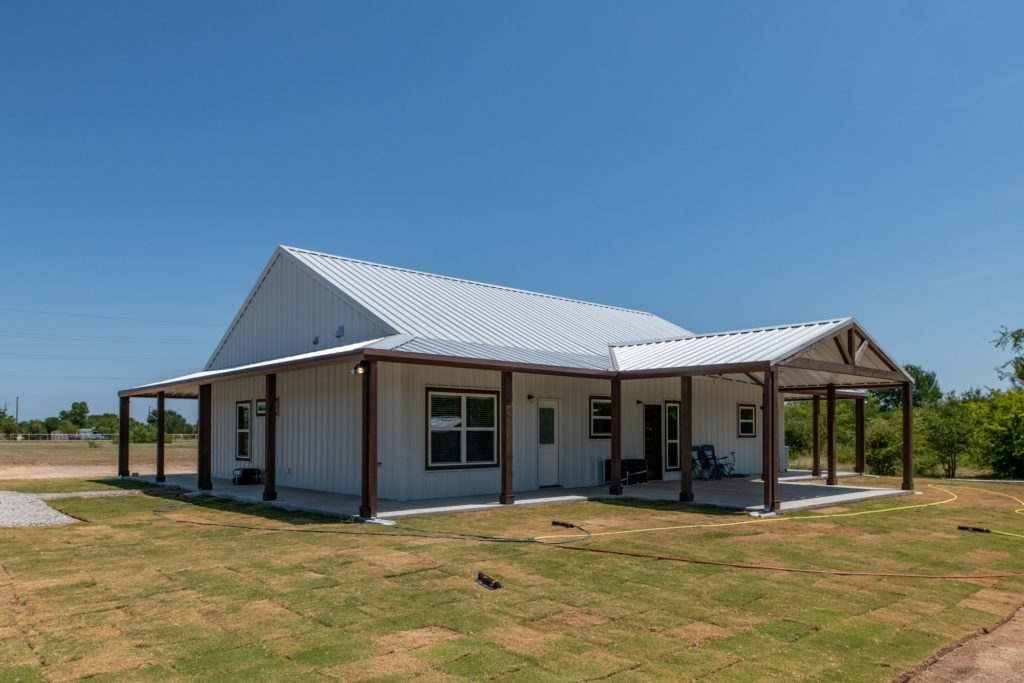
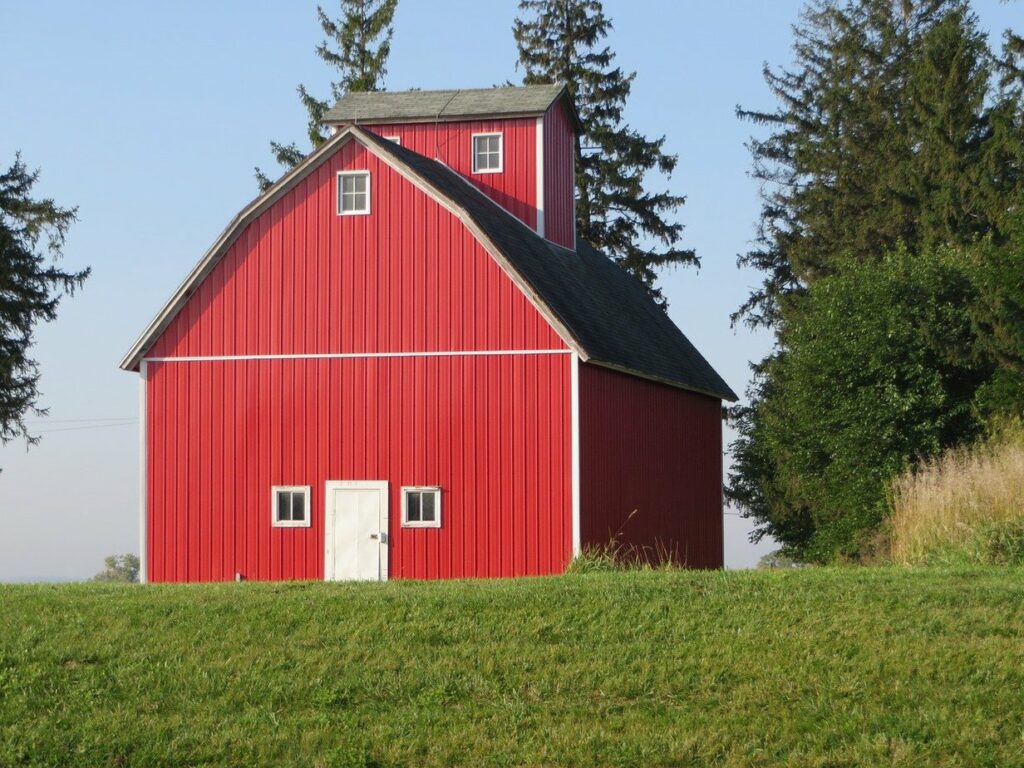
Barndominiums, homes with a barn-style look and often a large shop or garage under the same roof, are popular in rural parts of many states and show up in rural Massachusetts too, especially in the central and western parts of the state. Most are now stick-framed (built with wood framing like a regular house), and they follow the same building code as any other home.
How Much Does It Cost to Build a Home in Massachusetts?
New Home Magazine estimates that building a home in Massachusetts costs about $225–$340 per square foot for the house itself. For a 2,000-square-foot home, that’s roughly $450,000–$680,000.
Massachusetts is one of the more expensive states to build in. Here’s why, and what can help:
- Labor costs: Skilled trades are in high demand, especially in greater Boston and on the Cape, which pushes prices up.
- Energy code: Massachusetts has demanding energy requirements, and many towns have adopted an even stricter “stretch” code. Extra insulation, high-performance windows and efficient heating cost more up front but save on energy bills.
- Frost depth: Footings must go below a deep frost line, so many homes include full basements.
- Snow and wind: Roofs must be designed for heavy snow loads, and coastal homes face higher wind requirements.
- Ledge and rocky soil: Many New England lots have ledge (bedrock near the surface) that can require blasting or extra excavation.
These figures cover the house only. Land, site work, septic systems, wells, utility hookups and permits are extra, and in Massachusetts land and septic costs can be significant. Compare with other states in what it costs to build a new home in all 50 states.
Custom Home Builders in Massachusetts
Here are some Massachusetts builders that build custom new homes in different parts of the state. Always confirm directly that a builder will build on land you own.
- Cape Associates (Cape Cod): Designs and builds custom homes and renovations across the Outer and Lower Cape.
- Wright Builders (Northampton / Western Massachusetts): Builds custom homes, including net-zero-ready homes, as well as additions and renovations.
- Curt Plante Construction (Sterling / Central Massachusetts): A design-build company that builds residential and commercial projects and handles permitting and site development.
- Oracle Homes (Seekonk / Southcoast Massachusetts and Rhode Island): A regional custom builder that designs and builds new homes, including luxury homes.
Massachusetts requires anyone supervising the construction of a home to hold a Construction Supervisor License, and contractors who work on existing homes must also be registered as Home Improvement Contractors. Check both, ask for proof of liability and workers’ comp insurance, call recent clients, and visit a finished home.
Construction Loans in Massachusetts
A construction loan pays your builder in stages (called “draws”) as work is completed, and you usually pay only interest during construction. A “construction-to-permanent” loan converts to a regular mortgage once the house is done, so you only close once. Learn more in our guide to how construction loans work.
FHA and VA construction-to-permanent loans can help you put less money down if you qualify, and USDA rural housing loans may be available in some rural towns in central and western Massachusetts. Local banks and credit unions are an important source of construction loans here.
Lenders to start with:
- Greylock Federal Credit Union: Serves Berkshire County and offers conventional and construction mortgages.
- Farm Credit East: A rural lender with an office in Middleboro whose country home loans can cover new home construction, homes with acreage and rural lots.
Many Massachusetts community banks and credit unions also make construction loans, so check with the lenders in the town where you’re building.
Property Taxes in Massachusetts
Massachusetts property taxes are above the national average, though rates vary widely from town to town. Each city or town sets its own tax rate, and a state law called Proposition 2½ limits how much a community’s total tax levy can grow each year unless voters approve more.
Massachusetts doesn’t offer a broad homestead tax exemption like some states. Some cities and towns offer a “residential exemption” for owner-occupied homes, and there are exemptions for certain seniors, veterans and others. The state’s Declaration of Homestead protects some of your home’s equity from creditors, but it doesn’t lower your taxes. Ask your local assessor what applies.
Home Insurance in Massachusetts
Winter storms are the main risk statewide. Nor’easters bring heavy snow, ice and high winds, and ice dams can damage roofs. On the coast and Cape Cod, hurricanes, coastal flooding and erosion are serious concerns, and some insurers limit coverage or require higher wind deductibles there.
Some practical tips:
- Get insurance quotes before you buy coastal land, since premiums and deductibles can be much higher near the water.
- Standard policies don’t cover flooding. Check FEMA flood maps and consider flood insurance on the coast or near rivers.
- Good roof insulation and ventilation help prevent ice dams.
- If private insurers won’t cover you, the state’s FAIR Plan offers basic coverage.
- Get a builder’s risk policy while the home is under construction.
See our guide to home insurance for new homes for more.
Buying Land and Getting Permits in Massachusetts
Every Massachusetts city and town has its own zoning bylaws, with rules on minimum lot size, frontage (how much of the lot must touch the road) and setbacks. Many lots that look buildable aren’t, so confirm with the town before you buy. Wetlands are also tightly regulated, and work near them needs approval from the local conservation commission.
If the lot isn’t on town sewer, the septic system must meet the state’s Title 5 rules, and the lot will need a soil evaluation and a percolation test (a “perc test,” which measures how fast water drains through the soil) before a system can be designed. Septic is one of the biggest factors in whether a lot works, so make your purchase contingent on passing it. Many rural lots also need a private well.
Massachusetts has a statewide building code, and local building departments issue permits and inspect the work. Frost depth is deep, so footings go well below the surface. For a step-by-step checklist, read how to buy land to build a house.
House Plans for Your Massachusetts Home
You can browse plans for every style, from classic Capes and colonials to modern farmhouses. If you like the farmhouse or barndominium look, BarndominiumPlans.com has a large collection of barndominium and farmhouse-style plans, and Barndominium Life is a good place to find barndominium inspiration.
Final Thoughts
Building in Massachusetts costs more than in most states, but you get an efficient home built to a strict code. Check zoning, wetlands and septic before you buy land, budget carefully for site work, and choose a licensed builder with local experience.