Maine is often called the most rural state in America, and that’s a big part of its appeal. People build here for wide-open land, the coast, lakes and four real seasons, and many choose a custom home on a wooded lot or a piece of family land.
Why Build a New Home in Maine
Land in Maine is still relatively easy to find, especially once you’re away from the southern coast. Southern Maine (York and Cumberland counties around Portland) is the busiest and most expensive area. Prices drop as you head to the Midcoast, the Lakes Region, the Bangor area and farther north into Aroostook County.
The climate is cold and snowy in winter, with mild, pleasant summers and some of the best fall color in the country. Coastal areas get nor’easters (strong coastal storms) and occasional tropical storms, while inland areas get deeper snow and colder nights. Cross-country skiing, snowshoeing, boating and day trips to places like Acadia National Park, Bar Harbor, Portland and Ogunquit are part of everyday life.
Growth has been strongest around Greater Portland, the towns along the I-95 and Route 1 corridors, and the Midcoast, where many people have relocated to work remotely. Much of Maine’s housing is old, so building new is often the easiest way to get an efficient, low-maintenance home.
Types of New Homes in Maine
Maine buyers can choose from all the main types of new homes, and the rural setting makes some options especially practical.
Custom homes on your own lot. This is the most common way to build in Maine. You pick a lot, whether it’s a wooded parcel, lakefront or a piece of family land, and hire a builder to design a home for that site. It gives you full control over insulation, heating and layout, which matters a lot in Maine winters.
Builder communities. New subdivisions are mostly found around Greater Portland and nearby towns such as Scarborough, Westbrook, Gorham and Windham, plus some growth near Bangor and in York County. They’re simpler to buy but offer fewer choices.
Manufactured and modular homes. Modular homes are built in a factory, delivered in sections and set on a foundation. They’re popular in Maine because they cut down on time spent building in cold or wet weather. Manufactured homes are a lower-cost option in rural areas.
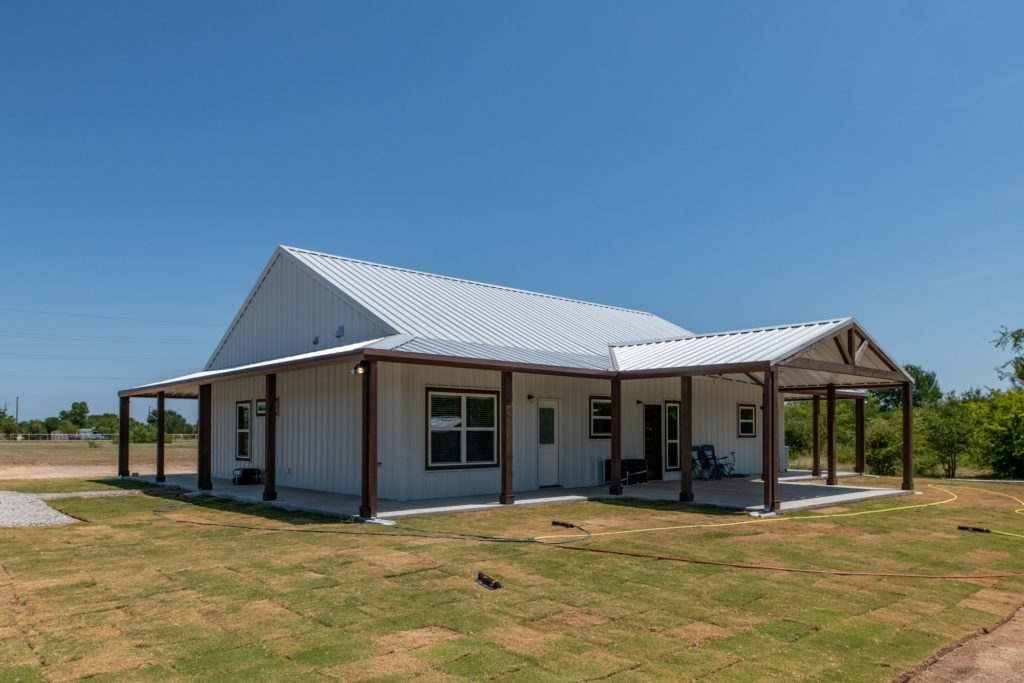
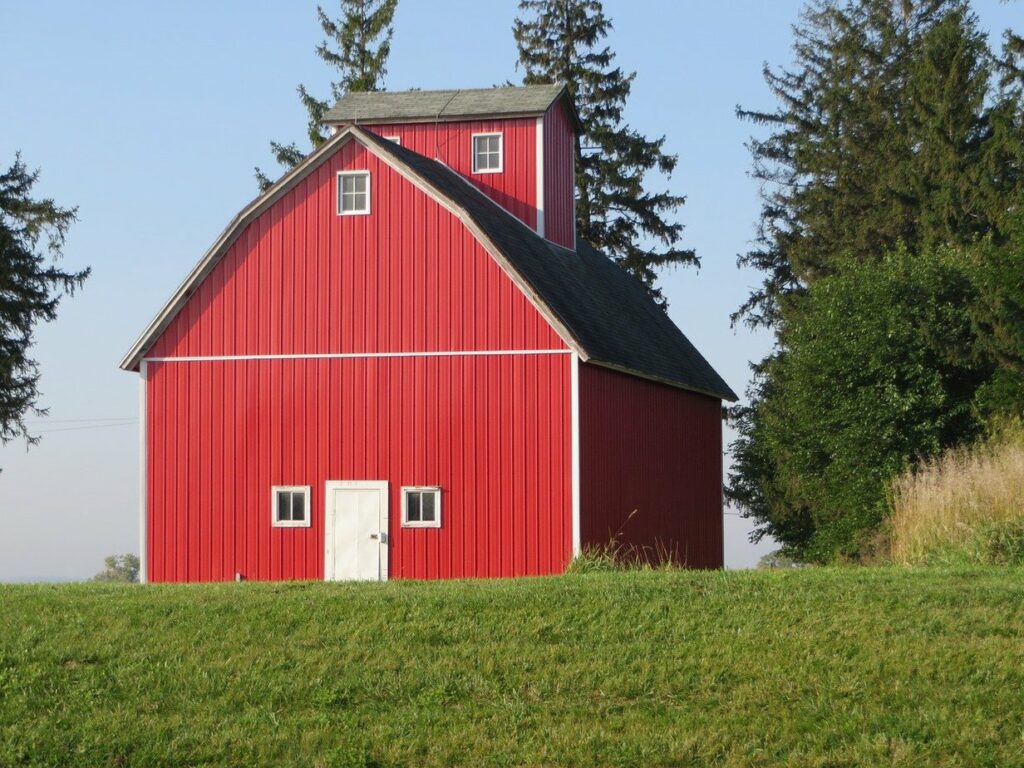
Barndominiums. Barndominiums, homes with a barn-style shell and open living space, are popular in rural parts of many states, and Maine’s farm country is a good fit. Most are now stick-framed (built with wood framing like a regular house), which makes them easier to insulate for Maine’s climate.
How Much Does It Cost to Build a Home in Maine?
New Home Magazine estimates that building a home in Maine costs about $180–$275 per square foot for the house itself. For a 2,000-square-foot home, that works out to roughly $360,000–$550,000.
Several things push costs up. Foundations have to go deep enough to stay below the frost line, and many Maine lots have ledge (bedrock near the surface) or boulders that need to be removed. Homes need heavy insulation and good heating systems. Skilled builders are in high demand, especially in southern Maine and on the coast, and waterfront and island projects cost more because of access and stricter rules.
You can save money by building inland, keeping the design simple, and considering modular construction.
These estimates cover the house only. Land, site work, a driveway, a well and septic system, utility connections and permits are all extra, and on rural land they can add up quickly. For more context, see what it costs to build a new home in all 50 states.
Custom Home Builders in Maine
Here are some Maine builders that build custom homes across different parts of the state:
- Patco Construction (Sanford, Southern Maine): A family-owned builder that offers custom and pre-designed homes and will build on your lot or theirs.
- Bowley Builders (Kennebunk, Southern Maine): A family-owned company that builds custom homes in Southern Maine in both traditional and modern styles.
- Knickerbocker Group (Boothbay and Portland): A design-build firm that handles planning, architecture and construction of custom homes.
- Maine Coast Construction (Camden, Midcoast): A family-owned builder with a design and custom home construction team, plus steel buildings and commercial work.
- Coastal Builders & Sons (Trenton, Downeast): Builds custom stick-built homes, garages and additions in the Downeast area.
Maine doesn’t have a statewide license for general home builders, so do extra homework. Ask for proof of liability and workers’ compensation insurance, get a detailed written contract, call several past clients, and visit a home the builder finished so you can see their work in person.
Construction Loans in Maine
A construction loan pays for building your home in stages (called draws) as the work progresses, rather than all at once. You usually pay interest only during construction, and the loan then converts to a regular mortgage or is paid off with one. Learn more in our guide to how construction loans work.
FHA and VA loans can be used for new construction through lenders that offer them. USDA loans are especially useful in Maine, since most of the state outside the Portland area counts as rural, as long as you meet the income limits.
Lenders to look at:
- Maine State Credit Union: Offers construction loans with flexible draws for building a new home.
- First National Bank: A Maine community bank that offers construction loans and land loans.
- Katahdin Trust: A northern Maine bank that offers construction financing along with mortgages and rural development loans.
- Farm Credit East: Serves Maine and the rest of the Northeast with rural home loans, including new home construction on country property.
Property Taxes in Maine
Maine’s property taxes are set by each town, and they’re on the higher side compared with the national average. Rates vary widely, with some coastal and resort towns lower because of high property values and some service-center towns higher.
Maine offers a homestead exemption that lowers the taxable value of your primary home after you’ve owned and lived in a Maine home for a set period, and there are additional relief programs for seniors and veterans. Apply through your town office after you move in, and ask the assessor how a newly built home will be valued.
Home Insurance in Maine
Winter is the main risk in Maine: heavy snow loads on roofs, ice dams, frozen and burst pipes, and power outages during storms. Coastal homes face nor’easters, storm surge and occasional tropical storms, and homes near rivers and lakes may need flood insurance. Falling trees are another common cause of claims.
Practical tips: design your roof for the local snow load, protect pipes from freezing, think about a backup generator, keep trees trimmed back from the house, and ask your agent about separate flood coverage if you’re near water. Read our guide to home insurance for new homes for more.
Buying Land and Getting Permits in Maine
Maine has a statewide building code, called the Maine Uniform Building and Energy Code (MUBEC). Towns with 4,000 or more residents must enforce it, while smaller towns can choose whether to. In many rural towns, that means there are few or no building inspections, though you’re still expected to meet the code, and lenders may require inspections.
Zoning varies by town, and some rural towns and the Unorganized Territory (areas with no town government, overseen by the state’s Land Use Planning Commission) have their own rules. Every town must enforce shoreland zoning, which limits building within 250 feet of most ponds, rivers and wetlands and within 75 feet of certain streams.
Most rural lots need a private well and septic system. A licensed site evaluator has to test the soil and design the septic system before you can get a permit. Frost depth in Maine is deep, so foundations need to be designed for your area. For more on choosing land, see how to buy land to build a house.
House Plans for Your Maine Home
Capes, farmhouses, cottages and connected-farm-style homes (where the house, barn and shed are joined so you can get around without going outside) all fit Maine’s look and climate. You can browse plans for every style. For barndominium and farmhouse-style plans, visit BarndominiumPlans.com, and for barndominium inspiration, take a look at Barndominium Life.
Final Thoughts
Building in Maine is about finding the right piece of land and building a home that can handle real winters. Check septic, shoreland and road access before you buy, choose a builder whose finished homes you’ve seen, and plan your schedule around the building season.