Pennsylvania is a big, varied state with a long tradition of building on family land. Families build in the suburbs around Philadelphia, Pittsburgh, and Harrisburg, while many others buy a few acres in farm country or the mountains and build a custom home on their own lot.
Why Build a New Home in Pennsylvania
Pennsylvania has plenty of land. Outside the Philadelphia and Pittsburgh metros, most of the state is farmland, forest, and small towns. Lancaster, York, and Adams counties have rolling farmland, central Pennsylvania has ridges and valleys, and the northern tier and the Poconos are heavily forested.
The climate has four full seasons. Summers are warm and humid, and winters are cold, with more snow in the north and the mountains than in the southeast. Hilly terrain is common, which affects driveways, drainage, and foundation design.
Growth is strongest in the Philadelphia suburbs (Chester, Bucks, and Montgomery counties), the Lehigh Valley, south-central Pennsylvania (Lancaster, York, Cumberland, and Dauphin counties), and the northern and western Pittsburgh suburbs, such as Cranberry Township.
Pennsylvania also has a deep bench of local builders and tradespeople, many of them small family firms, so finding someone who will build on your own lot is often easier here than in many states. Land prices outside the southeast and the Pittsburgh suburbs remain reasonable.
Types of New Homes in Pennsylvania
You’ll find all the main types of new homes in Pennsylvania.
Custom homes on your own lot. Building on your own land is common across Pennsylvania, whether it’s a parcel carved off a family farm or a wooded lot outside town. Many builders in south-central and western Pennsylvania run programs just for clients who already own land.
Builder and tract communities. Planned neighborhoods are common in the Philadelphia suburbs, the Lehigh Valley, the Harrisburg-Lancaster-York area, and the Pittsburgh suburbs. You pick a plan, and the lot is included.
Manufactured and modular homes. Pennsylvania has a large modular home industry, and modular homes are a popular way to build in rural areas. They meet the same state code as site-built homes. Manufactured homes follow a federal code.
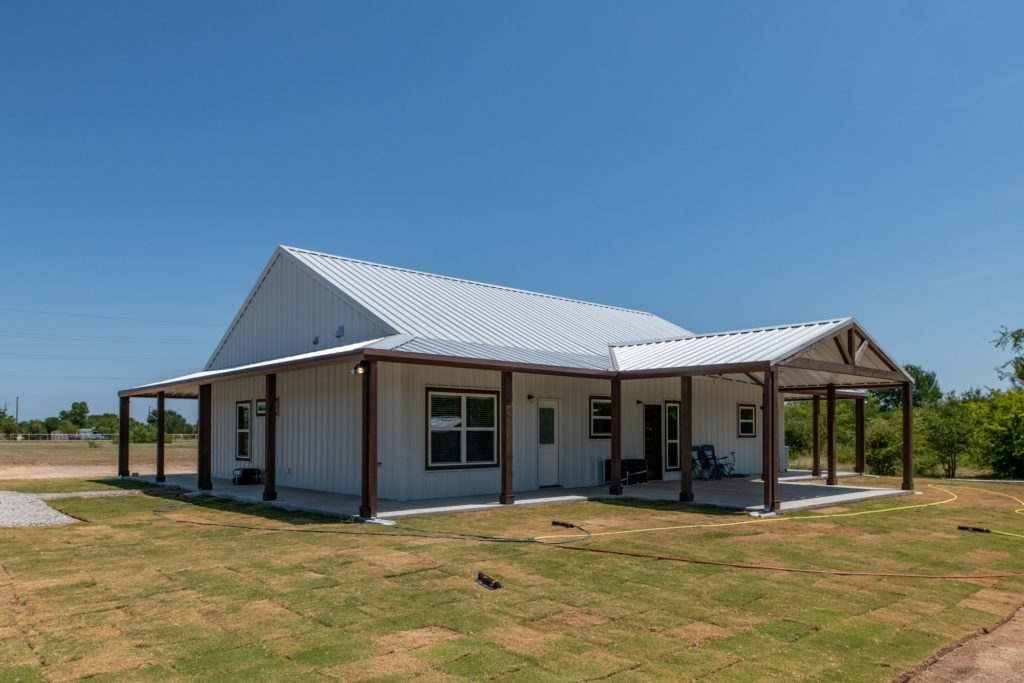
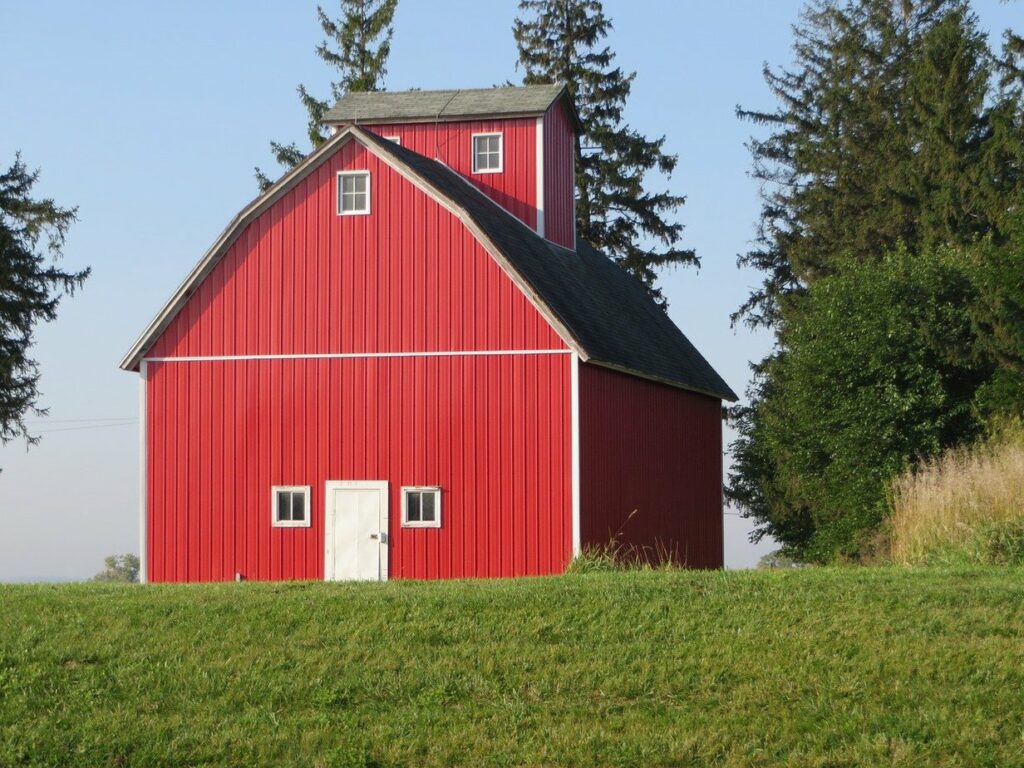
Barndominiums. Barndos (barn-style homes, often with a big shop or garage) are popular in rural parts of many states, including Pennsylvania’s farm country. Most are now stick-framed (built with wood framing like a regular house), though post-frame (pole barn style) builds are also common here.
How Much Does It Cost to Build a Home in Pennsylvania?
New Home Magazine estimates it costs about $180–$275 per square foot to build a house in Pennsylvania. For a 2,000-square-foot home, that’s roughly $360,000–$550,000 for the house alone.
What drives costs in Pennsylvania:
- Location and labor. The Philadelphia suburbs cost the most. Rural central and western Pennsylvania are usually more affordable.
- Frost depth. Pennsylvania’s ground freezes fairly deep, especially in the north and mountains, so footings must go down well below the surface. Basements are common.
- Hilly sites. Sloped lots can mean more excavation, retaining walls, and longer driveways.
- Rock. Shallow bedrock in parts of the state can make digging foundations and septic systems more expensive.
- Snow loads in the northern tier and mountains require stronger roofs.
Land, site work, well and septic, utility hookups, and permits are extra. See what it costs to build a new home in all 50 states for comparisons.
Custom Home Builders in Pennsylvania
These Pennsylvania builders build custom homes on land you own:
- Parry Custom Homes (North Huntingdon, western Pennsylvania): Builds homes on your lot across the Pittsburgh region, with showrooms in Irwin, Washington, and Cranberry Township.
- Custom Creations Building Group (York): Builds custom homes on homeowners’ land in York, Lancaster, Cumberland, and Adams counties.
- Ironstone Homes (Lancaster County): Builds custom homes on your own land in Lancaster County, Chester County, and southeast Pennsylvania.
- Landmark Homes (Ephrata): A family-owned builder whose Build on Your Land program serves south-central and central Pennsylvania.
- Bromwell Construction (Wilmington, Delaware): Builds custom homes in Chester and Delaware counties in southeast Pennsylvania and helps owners evaluate their land.
Pennsylvania requires home improvement contractors to register with the Attorney General’s office, but there’s no statewide license for new home builders. Some cities, like Philadelphia and Pittsburgh, have their own licensing. Ask for proof of liability insurance, talk to past clients, and visit a home they’ve finished.
Construction Loans in Pennsylvania
A construction loan pays your builder in stages (called draws) as each part of the house is finished. You usually pay only interest during construction, and the loan then converts into a regular mortgage or is paid off with one. Here’s more on how construction loans work.
FHA and VA construction-to-permanent loans are available through approved lenders. USDA loans work well in rural Pennsylvania, where much of the state outside the big metros qualifies, for buyers who meet income limits.
Lenders to look into:
- Horizon Farm Credit: A Farm Credit cooperative based in Mechanicsburg that serves Pennsylvania and offers construction loans and country home loans.
- Mid Penn Bank: A Pennsylvania bank that offers construction mortgages for building a single-family home.
Property Taxes in Pennsylvania
Pennsylvania’s property taxes are above the national average. Bills come from your county, your municipality (township or borough), and your school district, and school taxes are usually the largest part. Rates vary a lot by area, so check real tax bills before you buy land.
Pennsylvania offers a homestead exclusion, funded by state gaming revenue, that lowers school taxes on a primary home. You need to apply with your county assessment office. Seniors and people with disabilities may also qualify for the state’s Property Tax/Rent Rebate program.
Home Insurance in Pennsylvania
Pennsylvania’s main home insurance risks are:
- Winter storms, with snow, ice, and ice dams on roofs.
- Frozen pipes during cold snaps.
- Flooding along rivers and creeks, which is one of the state’s most common disasters. Standard home insurance doesn’t cover floods, so buy a separate policy if your land is near water.
- Severe thunderstorms, with wind, hail, and occasional tornadoes.
- Sinkholes and mine subsidence (ground sinking over old coal mines) in some areas. Pennsylvania offers state-backed mine subsidence insurance in coal regions.
Get quotes before you finalize your design. Read more about home insurance for new homes.
Buying Land and Getting Permits in Pennsylvania
Pennsylvania has a statewide building code, the Uniform Construction Code (UCC), which uses the International Residential Code (a model code used across the U.S.) for homes. Most municipalities enforce it themselves or hire a third-party inspection agency.
Zoning is set by each township or borough, and some rural townships have little or no zoning. Even without zoning, you’ll still need a UCC building permit. Check lot size rules, setbacks, and whether the land is in an agricultural security area or under a farmland preservation easement.
Pennsylvania has strict septic rules. Under the state Sewage Facilities Act, a local sewage officer must test the soil (a perc test and a soil probe) and approve your system before you can get a building permit. Some lots don’t pass, so make your purchase depend on a passing test.
Frost depth is fairly deep across the state, so footings must go well below grade. Our guide on how to buy land to build a house covers the rest.
House Plans for Your Pennsylvania Home
You can browse house plans in every style, from farmhouses and colonials to ranches with walkout basements. For barndominium and farmhouse-style plans with room for a shop, visit BarndominiumPlans.com. For real-world barndominium ideas, Barndominium Life is a good place to start.
Final Thoughts
Pennsylvania has land in every setting and an experienced builder base, especially for building on your own lot. Get a septic test before you commit to land, budget for property taxes, and choose a builder who knows your township.