Most people picture New York City, but the vast majority of New York State is rural, made up of farms, forests, lakes, and small towns. That’s where most new custom homes go up: on a few acres in the Hudson Valley, a lot near the Finger Lakes, or land outside Rochester, Syracuse, Buffalo, or Albany.
Why Build a New Home in New York
New York has a lot of land, and outside the New York City area much of it is affordable. Upstate regions like the Southern Tier, the North Country, Central New York, and Western New York offer large rural lots at prices that would be unthinkable downstate. The Hudson Valley and Capital Region cost more but stay within reach of the city.
The climate brings four real seasons. Winters are cold and snowy, especially in the Buffalo and Syracuse areas, which get heavy lake-effect snow from the Great Lakes. Summers are warm and pleasant, and fall is a highlight across the state.
Growth is strongest in the Hudson Valley (Dutchess, Orange, and Ulster counties), the Capital Region around Albany and Saratoga Springs, the suburbs of Rochester and Buffalo, and Central New York around Syracuse, where new manufacturing investment is drawing jobs.
Types of New Homes in New York
Here are the main types of new homes you’ll find in New York.
Custom homes on your own lot. This is the most common way to build in upstate New York. You buy land, then hire a local builder to design and build a home suited to the site, the views, and the winters. Many builders in the Rochester, Syracuse, Buffalo, and Capital Region areas actively build on client-owned lots.
Builder and tract communities. Planned neighborhoods are found mostly in the suburbs of Rochester, Buffalo, Syracuse, and Albany, and in parts of the Hudson Valley and Long Island. You choose a plan, and the lot is included.
Manufactured and modular homes. Modular homes are popular in New York because they can be built indoors during the winter and set quickly. They meet the same state code as site-built homes. Manufactured homes follow a federal code and are common in rural areas.
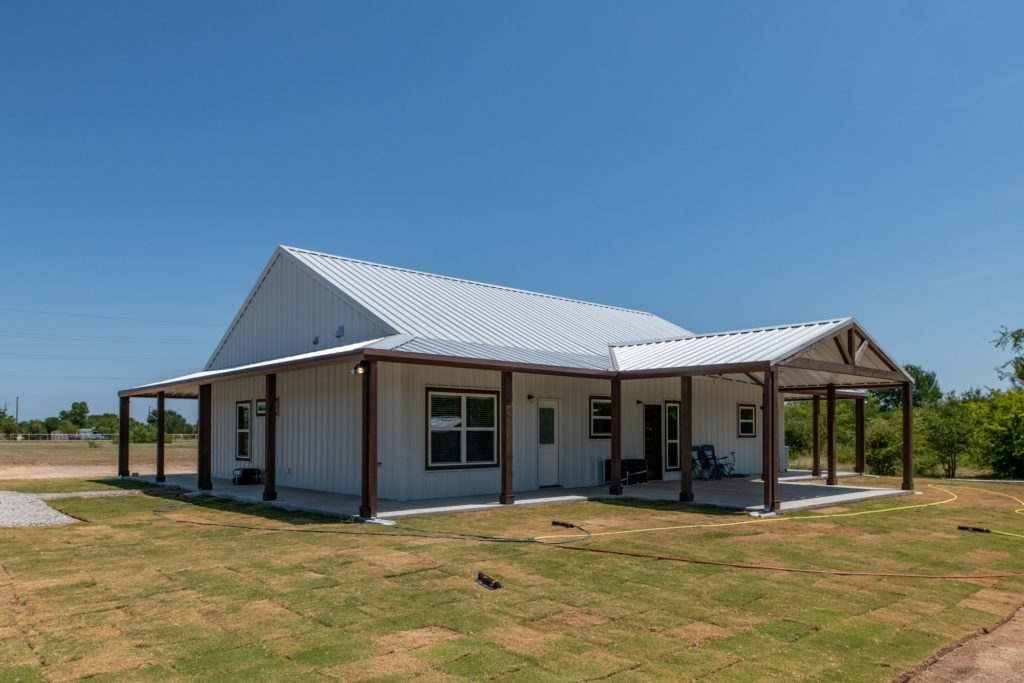
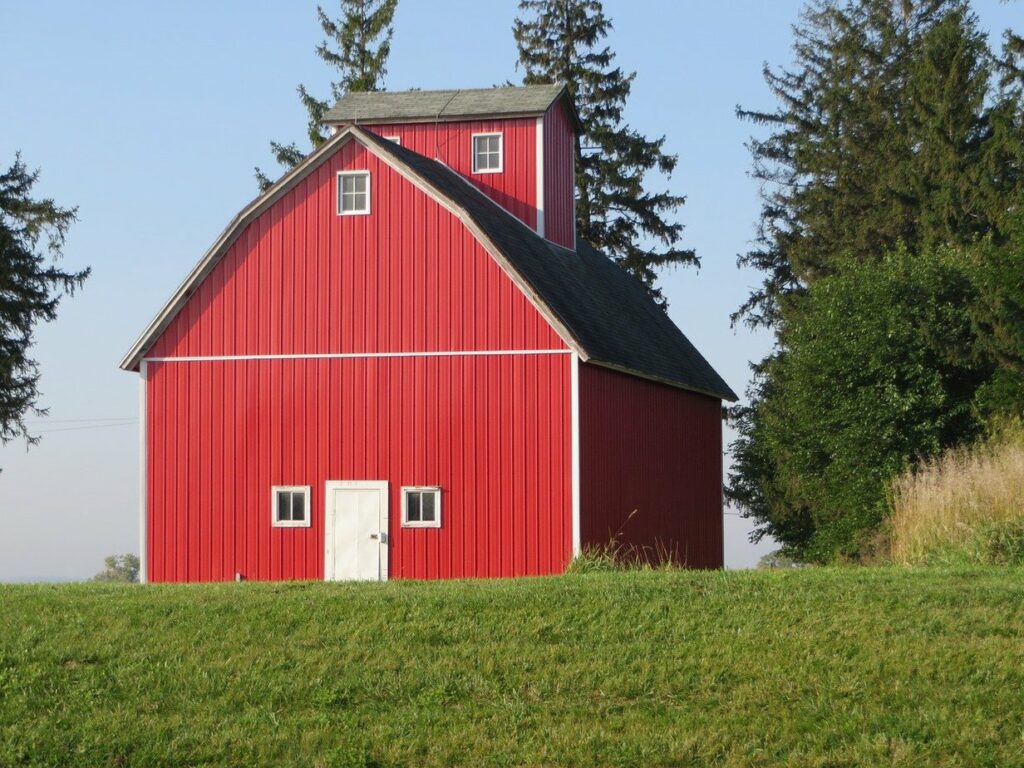
Barndominiums. Barndos (barn-style homes, often with a large shop or garage) are popular in rural parts of many states, including upstate New York’s farm country. Most are now stick-framed (built with wood framing like a regular house), not all-steel.
How Much Does It Cost to Build a Home in New York?
New Home Magazine estimates it costs about $205–$315 per square foot to build a house in New York. For a 2,000-square-foot home, that’s roughly $410,000–$630,000 for the house alone.
What drives costs in New York:
- Location and labor. Building on Long Island, in Westchester, or in the lower Hudson Valley costs far more than upstate because labor and materials cost more.
- Frost depth. New York’s ground freezes deep, so footings and foundations must go down several feet. Full basements are common.
- Snow loads. Roofs must carry heavy snow, especially in lake-effect areas and the Adirondacks.
- Energy code. New York’s energy code is strict, requiring more insulation and better windows, which adds cost upfront but lowers heating bills. New rules are also moving many new homes toward all-electric heating.
- Short building season in northern areas can stretch timelines.
Land, site work, well and septic, utility hookups, and permits are extra. See what it costs to build a new home in all 50 states for comparisons.
Custom Home Builders in New York
These New York builders build custom homes on land you own:
- Gerber Homes (Ontario, greater Rochester): Builds custom homes on your lot in Monroe, Ontario, and Wayne counties.
- Scott Merle Builders (Baldwinsville, Central New York): Builds custom homes on your lot around Syracuse, including rural sites.
- WNY Builders (Buffalo): Builds homes on your site in Buffalo and Western New York and helps check whether a property is buildable.
- CGM Construction (Halfmoon, Capital Region): Builds custom homes on your lot from the Catskills to Saratoga and the Adirondack border.
- Prestige Custom Building & Construction (Albertson, Long Island): Builds custom homes on your lot in Nassau and Suffolk counties and the Hamptons.
New York doesn’t have a statewide home builder license, but many counties and cities, including New York City, Westchester, and the Long Island counties, require contractors to be licensed locally. Check local licensing, ask for proof of liability and workers’ comp insurance, call recent clients, and tour a home they’ve finished.
Construction Loans in New York
A construction loan pays your builder in stages (called draws) as the work is completed. You usually pay only interest during the build, and the loan then converts to a regular mortgage or is paid off with one. Learn more about how construction loans work.
FHA and VA construction-to-permanent loans are available through approved lenders. USDA loans can be a great fit for rural upstate New York, where large areas qualify, for buyers who meet income limits.
Lenders to look into:
- Farm Credit East: A Farm Credit lender in the Northeast whose rural home loans include financing for new home construction.
- Maple Tree Funding: A Capital Region mortgage lender licensed throughout New York that offers FHA, VA, USDA, and conventional home loans.
Property Taxes in New York
New York’s property taxes are among the highest in the country. Bills come from your county, town or city, and school district, and school taxes are often the biggest piece. Rates vary widely from one town to the next, so check actual tax bills in the area before you buy land.
New York’s main break for homeowners is the STAR program (School Tax Relief), which lowers school taxes on a primary home for eligible owners. New homeowners now receive it as a state credit check. Seniors may qualify for Enhanced STAR, and many towns offer exemptions for veterans and seniors.
Home Insurance in New York
New York’s main home insurance risks are:
- Heavy snow and ice, which can damage roofs and cause ice dams, especially in lake-effect areas.
- Frozen pipes during cold snaps.
- Coastal storms and hurricanes on Long Island and in the New York City area.
- Flooding along rivers and the coast. Standard home insurance doesn’t cover floods, so get a separate policy if you’re near water.
- Wind and fallen trees during storms.
Rural homes far from a fire station or hydrant may pay more. Get quotes before you finalize your plans. Read more about home insurance for new homes.
Buying Land and Getting Permits in New York
New York has a statewide building code, the Uniform Fire Prevention and Building Code, which includes a residential code based on the International Residential Code (a model code used across the U.S.). Towns, villages, and cities enforce it, and in a few places the county does. Your town building department issues permits.
Zoning is set by each town, and some rural towns have little or no zoning. Even then, the town will still require a building permit. Check lot size rules, setbacks, and road frontage before you buy.
If there’s no public sewer, you’ll need a septic system. Your county health department approves septic designs and requires soil and perc tests (tests that show how fast the soil absorbs water). In some watersheds, such as the New York City watershed in the Catskills and Hudson Valley, the rules are stricter.
Frost depth is deep across most of New York, so footings must be built well below grade. Also check for wetlands and flood zones. Our guide on how to buy land to build a house covers the rest.
House Plans for Your New York Home
You can browse house plans in every style, from colonials and Cape Cods to farmhouses and lake cottages. For barndominium and farmhouse-style plans that suit upstate acreage, visit BarndominiumPlans.com. For barndominium inspiration from real projects, check out Barndominium Life.
Final Thoughts
Upstate New York offers affordable land and beautiful settings, but high property taxes and cold winters need to be part of your budget. Check school taxes and septic rules before you buy, and choose a builder who knows your town.