Connecticut doesn’t have much open land, so many people who build here are replacing an older house on a lot they love or building a custom home on a parcel in a quieter town. Buyers are often families who want New England charm, good schools and easy access to New York or Boston, but with a home designed around how they live today.
Why Build a New Home in Connecticut
Connecticut is small and settled, so buildable land is limited and often pricey, especially in Fairfield County near New York City. Prices ease as you move into the Litchfield Hills, the Quiet Corner in the northeast, and parts of Tolland, Windham and New London counties, where larger lots and rural roads are still common.
The state has four true seasons: snowy winters, humid summers and a stretch of fall color that draws visitors from all over. Coastal towns along Long Island Sound get milder winters but more exposure to hurricanes and nor’easters (strong coastal storms).
Many people build here because the existing housing is old. A new home gives you modern insulation, efficient heating and cooling, and a layout that fits current life, without giving up the town or neighborhood you want. Teardowns (replacing an older home with a new one on the same lot) are common in established towns close to the coast and near the larger cities.
Types of New Homes in Connecticut
Connecticut buyers have the same main types of new homes as the rest of the country, but the limited land supply changes the mix.
Custom homes on your own lot. This is the heart of new construction in Connecticut. You buy a lot (or use one you own, sometimes after tearing down an older house) and hire a builder to design and build a home just for you. It gives you the most control over layout, finishes and energy efficiency.
Builder communities. New subdivisions and townhome communities do exist, mostly around Greater Hartford, the I-84 and I-91 corridors, and pockets of Fairfield and New Haven counties. They’re simpler to buy but offer fewer choices.
Manufactured and modular homes. Modular homes are built in sections in a factory and set on a foundation on your lot. They’re a popular way to speed up construction in Connecticut’s short building season, and several local builders use modular methods for full custom homes.
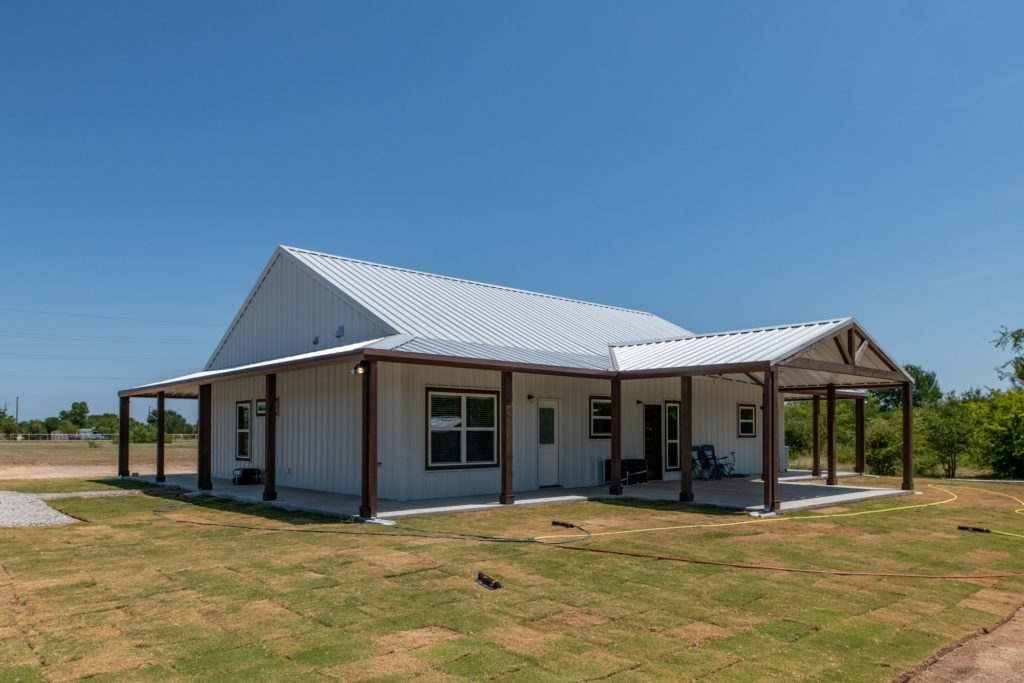
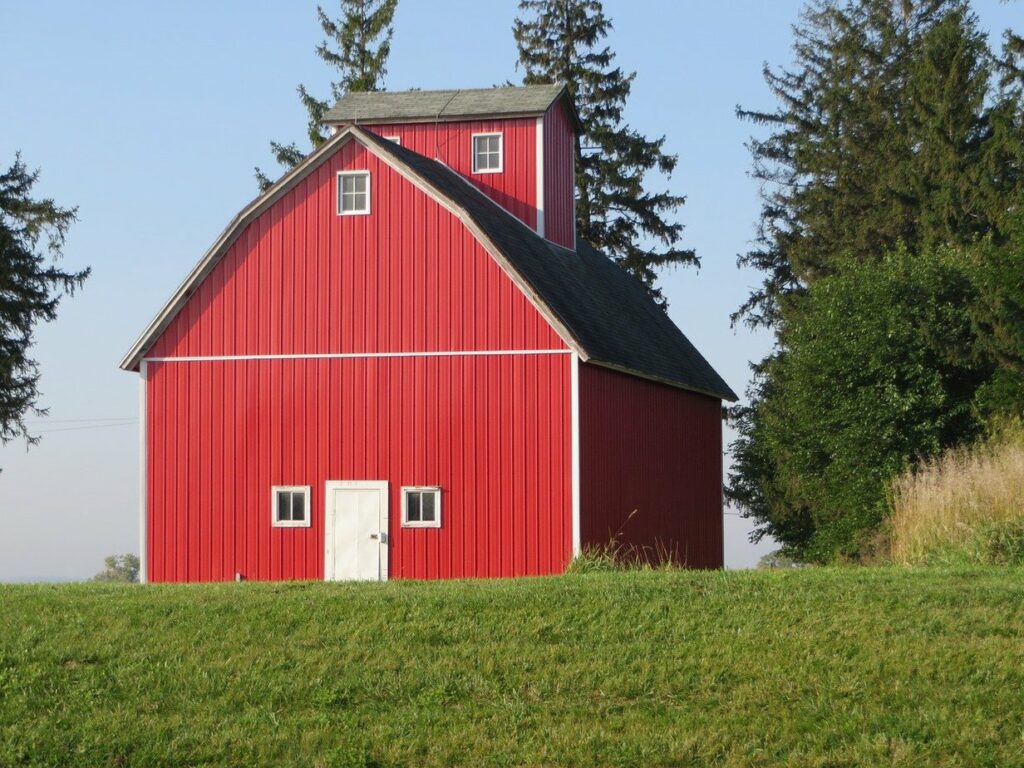
Barndominiums. Barndominiums, homes with a barn-style shell and open living space, are popular in rural parts of many states. In Connecticut they show up mostly in the Litchfield Hills and the Quiet Corner. Most are now stick-framed (built with wood like a standard house), which makes them easier to permit and insulate.
How Much Does It Cost to Build a Home in Connecticut?
New Home Magazine estimates that building a home in Connecticut costs about $220–$335 per square foot for the house itself. For a 2,000-square-foot home, that’s roughly $440,000–$670,000.
Costs run high here for a few reasons. Skilled labor is expensive, especially in Fairfield County and along the shoreline. Foundations need to reach below the frost line, and many lots have ledge (solid rock close to the surface) that has to be blasted or hammered out. Coastal homes may need to meet flood-zone and higher wind design rules, which adds cost. Town permitting can also take time.
Costs come down in more rural towns, on simpler designs, and with modular construction, which shortens the time crews spend on site.
These numbers cover the house only. Land, site work, a well and septic system (if you’re not on town water and sewer), utility connections, demolition if you’re replacing an old house, and permits are all extra. For a national comparison, see what it costs to build a new home in all 50 states.
Custom Home Builders in Connecticut
These Connecticut builders build custom homes, and each will work on a lot you own:
- Connecticut Valley Homes (New London County and statewide): Builds custom modular homes in Connecticut and Rhode Island, including on your own land and as tear-down-and-rebuild projects.
- Uccello Fine Homes (Wethersfield): A boutique luxury builder that will design and build a new home on a parcel you already own.
- The Andrew Ansaldi Co. (Greater Hartford): A custom home builder and general contractor that also does site development and crumbling foundation replacement.
- LaRoche Builders (Hartford, Tolland, Windham and New London counties): Builds custom homes in central and eastern Connecticut, starting with a design meeting on your lot.
- Superior Builder of Manchester (Manchester, serving Hartford, Tolland and Middlesex counties): A second-generation family business that builds custom homes and handles remodels and additions.
In Connecticut, anyone who builds new homes must be registered as a new home construction contractor with the state Department of Consumer Protection, and you can look up a builder’s registration online. Also ask for proof of insurance, talk to a few recent clients, and visit a finished home to see the quality up close.
Construction Loans in Connecticut
A construction loan covers the cost of building your home and is paid out to the builder in stages (called draws) as work is completed. You usually pay interest only while the home is being built. Many lenders offer a construction-to-permanent loan, which turns into a regular mortgage when the home is done so you only close once. Read how construction loans work for more detail.
FHA and VA loans can be used for new construction through lenders that offer them, which helps if you have a smaller down payment or are a veteran. USDA loans are an option in the more rural parts of the state, such as parts of Litchfield, Windham and Tolland counties, if you meet the income limits.
Lenders to look at:
- Newtown Savings Bank: A Connecticut bank that offers construction loans for building a new home.
- Union Savings Bank: A Connecticut community bank that offers construction loans for building a new house.
- Farm Credit East: Serves Connecticut and the rest of the Northeast with rural home loans, including financing for new home construction on country properties and home lots.
Property Taxes in Connecticut
Connecticut is one of the higher property tax states in the country. Taxes are set town by town using a “mill rate” (the tax per $1,000 of assessed value), and homes are assessed at a portion of their market value. Rates vary a lot between towns, so two similar homes a few miles apart can have very different tax bills.
Connecticut doesn’t have a broad homestead exemption like some states, but it does offer tax relief programs for seniors, people with disabilities and veterans, and some towns add their own. A new home will be assessed when it’s completed, so ask the town assessor how your build will be valued before you finalize your budget.
Home Insurance in Connecticut
Coastal Connecticut is exposed to hurricanes and tropical storms, and shoreline homes may face higher premiums, windstorm deductibles and required flood insurance. Inland, the bigger risks are heavy snow and ice, nor’easters, falling trees and frozen pipes.
One Connecticut-specific issue is crumbling foundations, caused by a mineral called pyrrhotite in concrete from certain quarries, which has affected many homes in the northeastern part of the state. A new home built with properly sourced concrete avoids this, but ask your builder where the foundation concrete comes from.
Practical tips: elevate and flood-proof utilities if you’re near the water, consider a backup generator, and ask your agent about flood and wind coverage early. See home insurance for new homes for more.
Buying Land and Getting Permits in Connecticut
Every town in Connecticut has zoning, and most also have an inland wetlands commission that reviews any work near streams, ponds or wet soils. Lot size minimums, setbacks and wetland buffers can limit where your house can go, so check them before you buy.
If the lot doesn’t have town sewer, you’ll need a septic system approved by the local health district or department, which usually starts with a perc test (a test of how well the soil drains) and a deep test hole. A private well also needs a permit. Ledge and high groundwater are common, and both affect cost and design.
Connecticut uses a statewide building code based on national model codes, enforced by the local building official. Footings need to go below the frost line, which is fairly deep in Connecticut, so confirm the exact depth with your town’s building official. For tips on evaluating a parcel, see how to buy land to build a house.
House Plans for Your Connecticut Home
Classic Connecticut styles, such as Colonials, Capes and farmhouses, still look right here, and modern versions of them work well on smaller lots. You can browse plans for every style and size. For barndominium and farmhouse-style plans, visit BarndominiumPlans.com, and for barndominium inspiration, check out Barndominium Life.
Final Thoughts
Building in Connecticut costs more than in most states, but it lets you live in the town you want in a home that’s efficient and built for today. Do your homework on the lot, wetlands and septic first, pick a registered builder you trust, and you’ll avoid most of the surprises.