Kentucky is one of the more affordable places in the country to build a new home. Families moving out of crowded metros, people returning home to rural counties, and buyers who want a few acres in horse country or the hills all find that land and labor here still go a long way. This guide covers what it costs, who builds, how to finance it, and what to know about land, taxes and insurance.
Why Build a New Home in Kentucky
Land is the biggest draw. Outside Louisville and Lexington, you can still find rural acreage and small-town lots at prices that have mostly disappeared in neighboring states. The rolling Bluegrass around Lexington, farmland in western Kentucky, lake country around Lake Cumberland and Kentucky Lake, and the hills of the east all offer very different settings.
The climate is fairly mild. Summers are warm and humid, winters bring some snow and ice but not the long, deep cold of the northern states, and the building season runs most of the year. Severe spring storms, tornadoes and flash flooding are the weather risks to plan around.
Growth is concentrated in a few areas. The Louisville suburbs (especially Oldham, Bullitt and Shelby counties), the Lexington region including Georgetown, Nicholasville and Richmond, Northern Kentucky across the river from Cincinnati, and Bowling Green along I-65 have all seen steady new construction. Owensboro and Elizabethtown are also growing.
Types of New Homes in Kentucky
You have several ways to get a new home here. For a side-by-side look at the options, see our guide to types of new homes.
Custom Homes on Your Own Lot
This is the path most people building in Kentucky choose. You buy the land (or already own it), pick or design a plan, and hire a builder to put it up. You decide the layout, finishes, and where the house sits on the property, whether that’s a half-acre lot outside Lexington or 30 acres in a rural county.
Builder and Tract Communities
Production builders work in planned subdivisions, mostly in the Louisville and Lexington suburbs, Northern Kentucky, and around Bowling Green. You choose from a set of floor plans and options. It’s usually faster and simpler, but you give up the choice of lot and many design decisions.
Manufactured and Modular Homes
Manufactured homes are built in a factory to a federal HUD code and are the lowest-cost route to a new home. Modular homes are also factory-built, but they’re built to the same codes as site-built houses and set on a permanent foundation, so they’re usually treated like regular homes for financing and resale.
Barndominiums
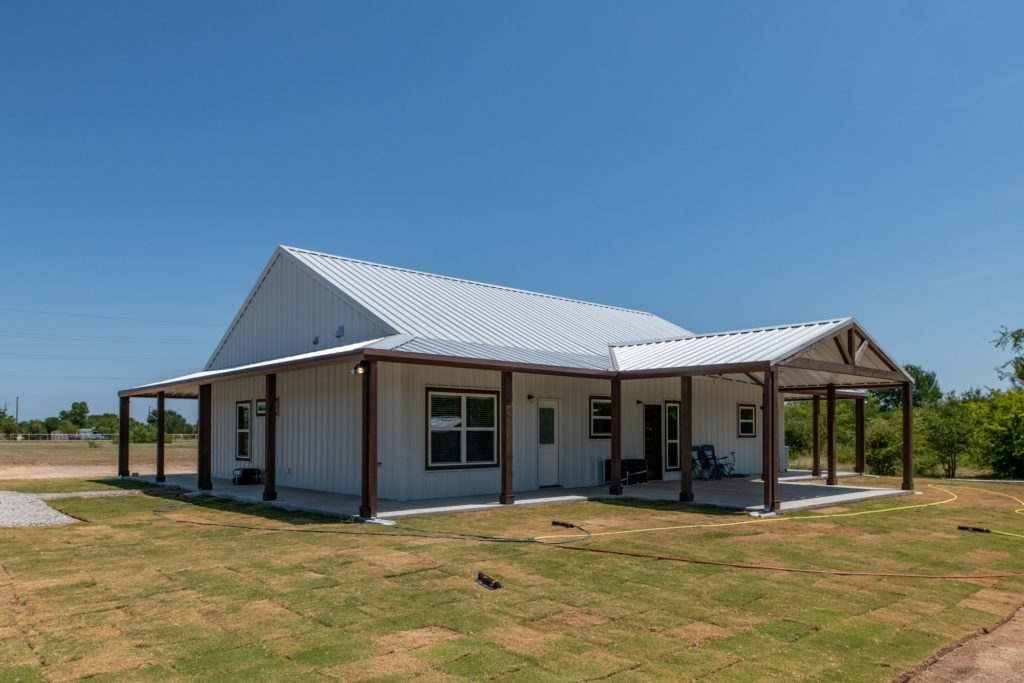
Barndominiums (barn-style homes, often with a large shop or garage under the same roof) are popular in rural parts of many states, Kentucky included. Most are now stick-framed like a regular house with metal siding and roofing, rather than built inside a steel building, which makes them easier to finance and insure.
How Much Does It Cost to Build a Home in Kentucky?
New Home Magazine estimates that building a new home in Kentucky costs about $140–$215 per square foot for the house itself. For a 2,000-square-foot home, that works out to roughly $280,000–$430,000. These are our estimates; your real number depends on the plan, the finishes and the builder.
A few things push Kentucky costs up or down:
- Labor market: Labor is generally cheaper than the national average, but builders in the Louisville and Lexington areas are busier and charge more than those in rural counties.
- Foundations: Frost depth is moderate, but central Kentucky’s karst (limestone with sinkholes and caves) and steep slopes in the east can add to excavation and foundation costs.
- Site access: Remote or hilly sites in eastern Kentucky can mean longer driveways, more grading, and higher delivery costs.
Land, site work, a well or septic system, utility hookups and permits are all extra and are not included in the per-square-foot figure. To compare Kentucky with other states, see what it costs to build a new home in all 50 states.
Custom Home Builders in Kentucky
Here are some Kentucky builders that build custom homes, including on land the owner already has:
- Byer Builders (Central Kentucky): Builds custom homes in the Lexington area and in towns like Richmond, Georgetown and Paris, and offers a build-on-your-lot option.
- Jimmy Nash Homes (Lexington area): Builds custom single-family homes and townhomes in Fayette, Jessamine and Woodford counties, including on clients’ own lots.
- Taylor Homes (Louisville and Georgetown): Builds ranch, Cape Cod and two-story homes on land you own in Kentucky, Indiana and Ohio.
- Homes by Benny Clark (Owensboro): Builds custom homes in Daviess and nearby western Kentucky counties and will build on your land or help you find a site.
- Ballard Construction (Owensboro): Builds custom homes in Daviess County, on its own lots or on a client’s lot using the client’s design or one of its plans.
Kentucky doesn’t license general contractors at the state level, though plumbers, electricians and HVAC contractors are licensed, and some cities and counties have their own builder rules. Ask any builder for proof of liability and workers’ comp insurance, a list of recent clients you can call, and a chance to walk through a home they’ve finished.
Construction Loans in Kentucky
Most people can’t pay cash for a new build, so they use a construction loan. The lender pays the builder in stages (called draws) as work is completed, and you usually pay only interest during construction. Many lenders offer a “one-time close” or construction-to-permanent loan that turns into a regular mortgage when the house is done. Learn more about how construction loans work.
FHA and VA construction loans are options for buyers who qualify, and USDA loans can help buyers in rural parts of Kentucky, which covers much of the state outside the big metros. Lenders that make construction loans in Kentucky include:
- Abound Credit Union: A Kentucky credit union offering single-close construction loans with interest-only payments during the build.
- Paducah Bank: Based in Paducah, with short-term construction loans that release funds in phases as the house goes up.
- River City Bank: Serves Louisville and Prospect and offers residential home construction loans.
- Rural 1st: The rural home lending brand of Farm Credit Mid-America, offering construction loans for rural properties across Kentucky.
Property Taxes in Kentucky
Kentucky’s property taxes are on the low side compared with most states. Your bill is based on the assessed value of your home and land, set by the county Property Valuation Administrator (PVA), multiplied by the combined rates for the state, county, school district and any city or special districts. That means your bill can vary quite a bit depending on where you build.
Kentucky offers a homestead exemption for homeowners who are 65 or older or who are totally disabled, which takes a set amount off the assessed value. A new home is usually assessed once it’s finished, so check with your county PVA about what you’ll owe in the first year.
Home Insurance in Kentucky
The main risks in Kentucky are tornadoes, hail, high winds and flooding. Eastern Kentucky has seen severe flash flooding in recent years, and many homes along rivers and creeks sit in flood zones. Western Kentucky is near the New Madrid seismic zone, so earthquakes are a small but real risk there. Central Kentucky’s karst can lead to sinkholes.
Some practical tips:
- Standard home insurance doesn’t cover flooding. If you’re anywhere near a stream or in a low area, price out flood insurance through the National Flood Insurance Program or a private carrier.
- Earthquake coverage is a separate add-on. It’s worth a quote in western Kentucky.
- Ask about sinkhole or ground-collapse coverage if you’re building in karst country.
- Get a builder’s risk policy to cover the home while it’s under construction.
See our guide to home insurance for new homes for more.
Buying Land and Getting Permits in Kentucky
Zoning depends heavily on location. Cities and many suburban counties have zoning and subdivision rules, but a number of rural Kentucky counties have little or no zoning, which gives you more freedom but less protection from what a neighbor might build. Always check with the county planning office before you buy.
If the land isn’t on city sewer, you’ll need a septic system. The local health department does a site evaluation (soil test) to see whether the soil can handle a septic system and what type you’ll need. Make your purchase contingent on that test passing. Frost depth in most of Kentucky runs around 18 to 24 inches, which affects how deep footings need to go.
Kentucky has a statewide residential building code based on the International Residential Code, so new homes need permits and inspections from the local or state building official. For more on choosing and buying a lot, read how to buy land to build a house.
House Plans for Your Kentucky Home
Whether you want a classic brick ranch, a modern farmhouse or a cabin in the hills, you can browse plans for every style before you talk to a builder. For barndominium and farmhouse-style designs, see the plans at BarndominiumPlans.com. If you’re leaning toward a barn-style home, Barndominium Life has plenty of inspiration.
Final Thoughts
Kentucky gives you affordable land, moderate building costs and plenty of choice, from Bluegrass farms to lake lots. Find your land first, check zoning and septic early, and talk to a couple of local builders and lenders before you commit to a plan.