Tennessee has become one of the most popular states in the country for people moving and building new homes. Buyers are drawn by no state income tax on wages, a lower cost of living, and scenery that runs from the Smoky Mountains to rolling Middle Tennessee farmland. Many are building custom homes on their own land outside Nashville, Knoxville, Chattanooga, and Memphis.
Why Build a New Home in Tennessee
Land in every direction. Rural acreage is easy to find in most of the state, from farmland in West and Middle Tennessee to wooded mountain lots in East Tennessee. Land prices are highest around Nashville and in popular mountain areas.
Four mild seasons. Tennessee has hot, humid summers and fairly mild winters, with more snow and cold in the mountains. Humidity means good moisture control and efficient cooling matter.
Growth areas. The Nashville region (Williamson, Rutherford, Wilson, Sumner, and Maury counties), the Knoxville area (Knox, Blount, Loudon, and Sevier counties), the Chattanooga area (Ooltewah, Apison, and Cleveland), Clarksville, the Tri-Cities, and Memphis suburbs like Collierville and Fayette County are seeing lots of new homes.
Lifestyle. Music, lakes, mountains, college towns, and no state income tax on wages all bring new residents.
Types of New Homes in Tennessee
Here’s a quick guide to the main types of new homes in Tennessee.
Custom homes on your own lot. You own the land, choose or design a plan, and hire a builder. This is a great fit in Tennessee, where many buyers want a few acres, a mountain view, or lake access. Many Tennessee builders will build on your lot or help you find one.
Builder communities. New subdivisions are everywhere around Nashville, especially in Rutherford, Wilson, Sumner, and Maury counties, as well as around Knoxville, Chattanooga, and Clarksville. You pick a plan, and the builder handles the lot.
Manufactured and modular homes. Manufactured homes are built in a factory to a federal code and placed on site. Modular homes are factory-built to the same codes as site-built homes. Both are common in rural Tennessee as lower-cost options, though some subdivisions don’t allow them.
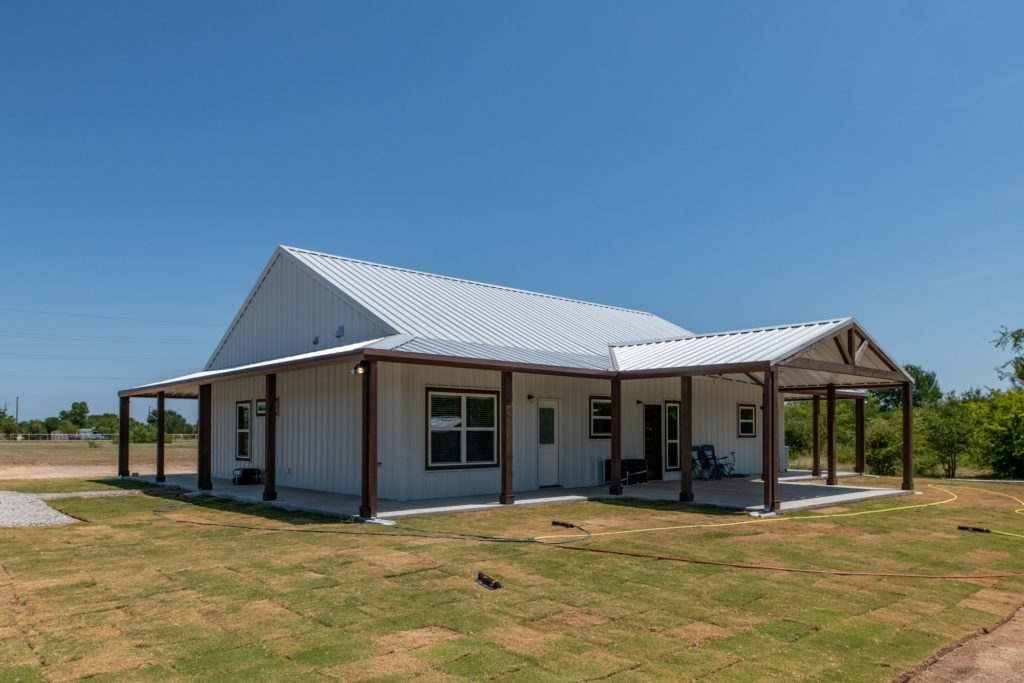
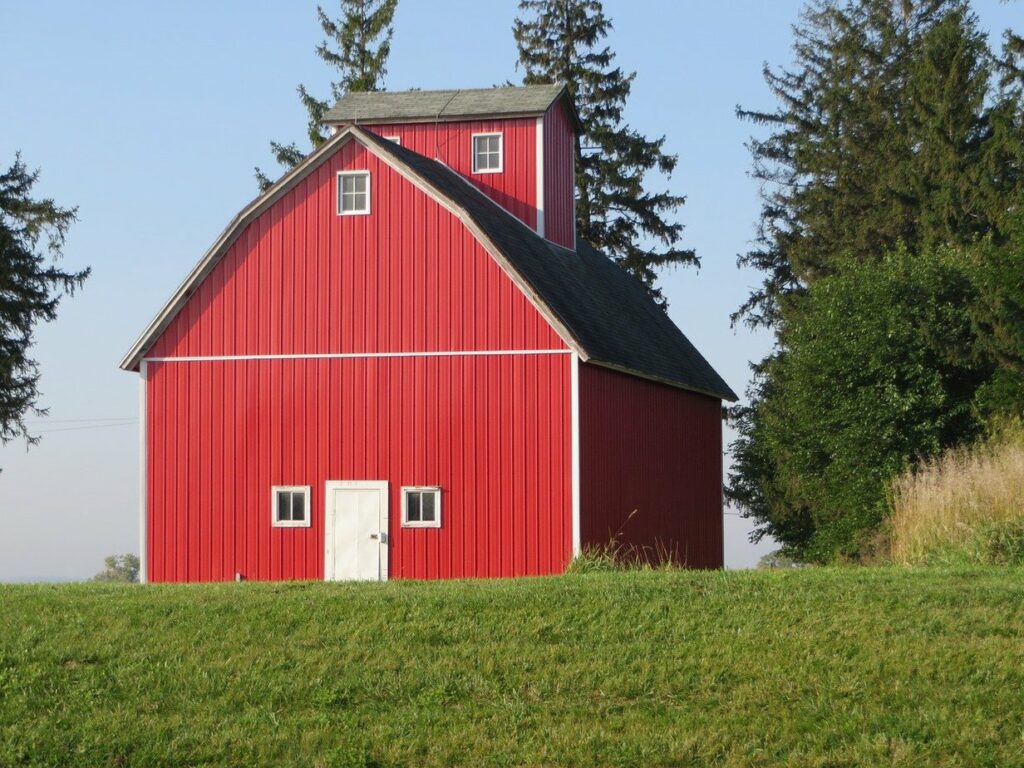
Barndominiums. Barndominiums (barn-style homes, often with a big shop under one roof) are popular in rural parts of many states, and Tennessee’s farm country has plenty of them. Most are now stick-framed with wood like a regular house, though some use steel or post-frame construction.
How Much Does It Cost to Build a Home in Tennessee?
New Home Magazine estimates that building a home in Tennessee costs about $135 to $210 per square foot for the house itself. For a 2,000-square-foot home, that’s roughly $270,000 to $420,000.
Tennessee-specific cost factors:
- Foundations and slopes: Frost depth is moderate, so slabs and crawlspaces are common. Sloped lots in East Tennessee often need walk-out basements or tall foundation walls, which add cost but also add usable space.
- Rock: Limestone close to the surface is common in Middle Tennessee and can make digging for foundations and utilities more expensive.
- Earthquake design: West Tennessee sits near the New Madrid seismic zone, and building codes there call for extra bracing in some areas.
- Labor: Labor is in high demand around Nashville, which can raise bids and stretch schedules. Rural areas are often less expensive.
These estimates cover the house only. Land, site work, a well and septic system for rural lots, utility hookups, impact fees, and permits are extra. To compare states, see what it costs to build a new home in all 50 states.
Custom Home Builders in Tennessee
Here are several established builders in different parts of Tennessee that build custom homes:
- Red Door Homes (Knoxville): Builds custom homes across East Tennessee on the lot you provide, and can help you find land.
- Magnolia Homes (Collierville): Builds custom homes in the Memphis area, with a build-on-your-lot option.
- Pratt Home Builders (Chattanooga area): Builds new homes and custom plans in the Chattanooga area, including Ooltewah, Apison, and Cleveland.
- AR Homes Nashville by The Ernst Group (Nashville): Builds luxury custom homes on your lot in Nashville, Brentwood, and Franklin.
- America’s Home Place (several Tennessee locations): An on-your-lot custom builder with locations in Knoxville, Nashville, Chattanooga, Cookeville, and Johnson City.
- Rick’s Construction and Roofing (Lawrenceburg): A builder serving a wide radius of southern Middle Tennessee.
Tennessee licenses general contractors and home improvement contractors through the Board for Licensing Contractors, so look up any builder’s license before you sign. Also ask for proof of insurance, call recent clients, and visit a finished home.
Construction Loans in Tennessee
A construction loan pays for your home while it’s being built. The lender releases money in stages (called “draws”) as work is done, and you usually pay interest only during the build. When the home is complete, the loan converts to a regular mortgage or you refinance. A “one-time close” loan wraps both into a single closing. Learn more about how construction loans work.
FHA loans allow lower down payments, VA loans are available to eligible veterans (Fort Campbell near Clarksville has a large military community), and USDA loans are designed for rural areas, which covers much of the state outside the big metros.
Lenders that offer construction loans in Tennessee include:
- Wilson Bank & Trust: A Middle Tennessee community bank that offers construction loans, including a one-time-close option.
- FirstBank: A Tennessee-based bank with branches across the state that offers mortgage lending; ask about construction loans.
- Farm Credit Mid-America: A Farm Credit lender that serves every county in Tennessee and offers rural home financing through its Rural 1st program.
Property Taxes in Tennessee
Tennessee’s property taxes are below the national average. Your county assessor appraises the home, only part of that value is taxed for homes, and county and city tax rates are applied to it. Rates vary quite a bit by county and city, so compare before you buy land.
Tennessee doesn’t have a general homestead exemption that lowers taxes for every homeowner. It does offer property tax relief for low-income seniors, people with disabilities, and disabled veterans, and some counties have a tax freeze program for seniors.
Home Insurance in Tennessee
Tennessee’s main insurance risks include:
- Tornadoes and severe storms: Tornadoes are a real risk, especially in Middle and West Tennessee. Hail and high winds are common in spring.
- Flooding: Flash floods and river flooding happen, and standard home policies don’t cover flood damage. Check flood maps for any lot near a creek or river.
- Earthquakes: West Tennessee is near the New Madrid fault. Earthquake coverage is a separate add-on.
- Wildfire: Wooded mountain areas in East Tennessee face some wildfire risk.
Ask your agent about discounts for new construction, impact-resistant roofs, and storm shelters. Read more about home insurance for new homes.
Buying Land and Getting Permits in Tennessee
Zoning: Cities and many counties have zoning, but some rural counties have little or no zoning, especially outside city limits. Subdivisions often have covenants.
Septic and perc tests: If there’s no sewer, you’ll need a septic system permitted by the Tennessee Department of Environment and Conservation (or a local health department in some counties). A soil evaluation decides whether the lot can support a septic system and what size home it can handle, so make your purchase contingent on it.
Frost depth: Frost depth is moderate and varies by county, with deeper footings in the mountains.
Building codes: Tennessee adopts residential building codes at the state level, but enforcement varies. Many cities and counties run their own permits and inspections, while some rural areas have little or no residential inspection. Ask your county what applies, and ask your builder to follow current code either way.
Slope and rock: In East Tennessee, check driveway access and how steep the lot is. In Middle Tennessee, ask about rock, which can affect septic and foundation costs.
Learn more in our guide on how to buy land to build a house.
House Plans for Your Tennessee Home
Modern farmhouse, craftsman, mountain homes with walk-out basements, and classic brick ranches all fit Tennessee well. You can browse plans for every style before you choose a builder. For barndominium and farmhouse-style plans, visit BarndominiumPlans.com. For barndo inspiration, see Barndominium Life.
Final Thoughts
Tennessee offers a strong mix of land, scenery, and builders who will build on your lot. Test the soil for septic, check the slope and rock on your land, and line up financing early to keep the project on track.