Vermont attracts people who want forests, mountains, small towns and a slower pace of life. Remote workers, families relocating from bigger Northeast cities, and people building a ski-country or lake home all choose to build here. This guide covers costs, builders, loans, taxes, insurance, and the land and permit steps that are unique to Vermont.
Why Build a New Home in Vermont
Vermont is one of the most rural states in the country, with forests, mountains, lakes and farmland across most of its area. Even the capital, Montpelier, has only about 8,000 residents. If you want privacy, views and room to spread out, Vermont delivers.
Winters are long, cold and snowy, and summers are warm and pleasant, with brilliant fall color in between. The state’s ski areas, lakes and hiking trails are a big part of the lifestyle. A new home makes the most of that climate with high levels of insulation, efficient heating and good windows, which matter a lot when heating season lasts much of the year.
Growth is centered in Chittenden County around Burlington, South Burlington, Essex and Williston, where most of the state’s jobs are. The Mad River Valley, Stowe and southern Vermont ski towns such as Manchester draw second-home and resort-area building. The Upper Valley along the Connecticut River, Middlebury, and the Northeast Kingdom offer more affordable rural land.
Types of New Homes in Vermont
Here’s a quick look at your options. For more detail, see our guide to types of new homes.
Custom Homes on Your Own Lot
Most new single-family homes in Vermont are custom homes built on land the owner buys first. That fits the state well: you can choose a hillside with a view, a wooded parcel or a lot near town, and a builder designs around it, including the driveway, the sun exposure for passive solar heat, and how snow will shed from the roof.
Builder and Tract Communities
Large production subdivisions are uncommon in Vermont. Where new neighborhoods are built, they’re mostly in Chittenden County and a few other growing towns. Homes there are often townhomes or small-lot single-family homes.
Manufactured and Modular Homes
Modular homes, built in sections in a factory, are a popular way to build in Vermont because they cut down on time spent building through the short construction season. Manufactured homes (built to a federal code) are also common in rural areas. Check town zoning and lender rules for foundations.
Barndominiums
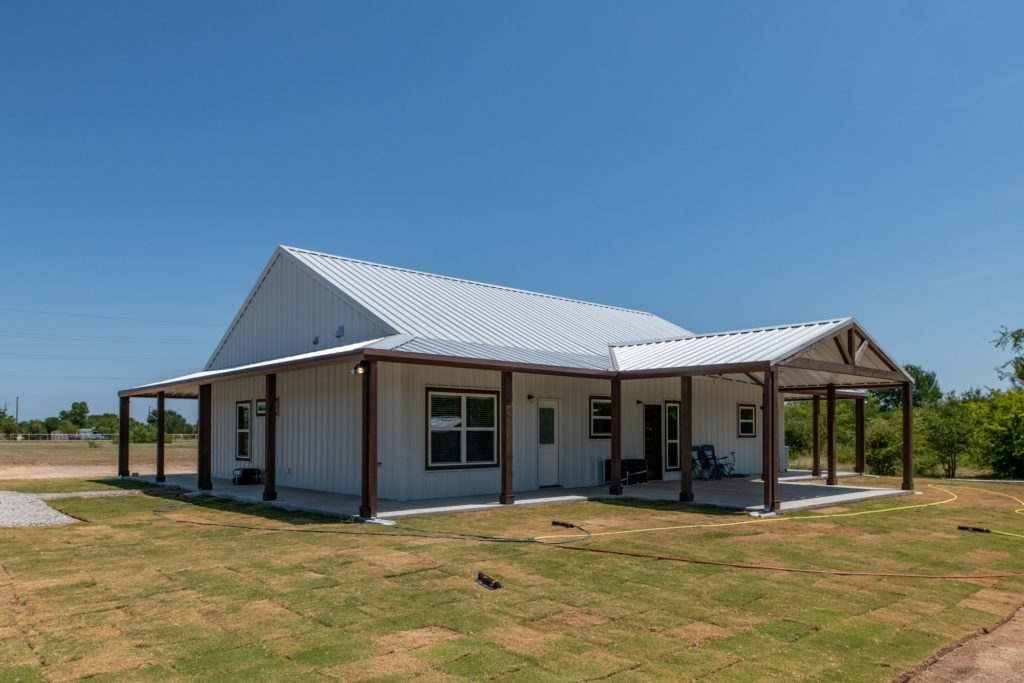
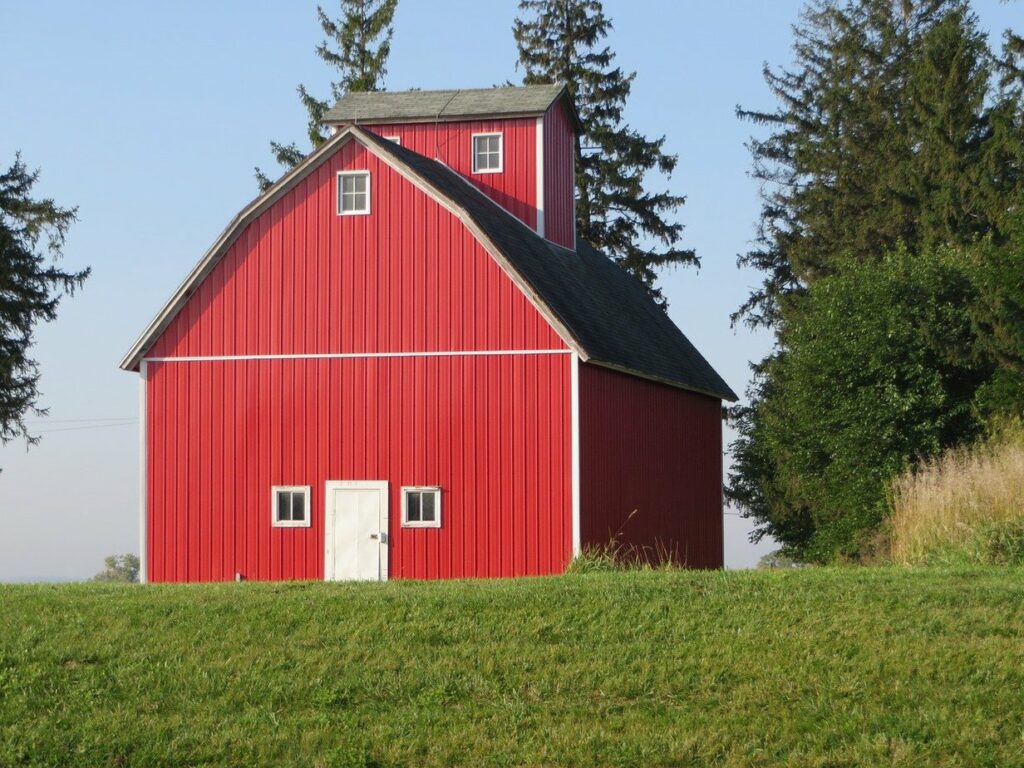
Barndominiums, homes with a barn-style look and often a large shop or garage under the same roof, are popular in rural parts of many states and fit naturally into Vermont’s barn-dotted landscape. Most are now stick-framed (built with wood framing like a regular house), and many Vermont builders also build timber-frame homes and barns.
How Much Does It Cost to Build a Home in Vermont?
New Home Magazine estimates that building a home in Vermont costs about $180–$275 per square foot for the house itself. For a 2,000-square-foot home, that’s roughly $360,000–$550,000.
What pushes Vermont costs up or down:
- Frost depth: Vermont’s frost line is deep, so footings and foundations go well below the surface, and many homes have full basements.
- Snow load: Roofs must be built to carry heavy snow, especially at higher elevations.
- Energy standards: Vermont has statewide energy standards for new homes, so expect more insulation and better windows, which cost more up front but cut heating bills.
- Short building season: Winter slows outdoor work, and builders’ schedules fill up quickly.
- Remote and hilly sites: Long driveways, steep lots, ledge (bedrock near the surface) and distance from suppliers all add cost.
These figures cover the house only. Land, site work, driveways, wells, septic systems, utility hookups and permits are extra, and rural site work in Vermont can be significant. For a national comparison, see what it costs to build a new home in all 50 states.
Custom Home Builders in Vermont
Here are some Vermont builders that build custom new homes in different parts of the state. Always confirm directly that a builder will build on land you own.
- Vermont Country Builders (Manchester / southern Vermont): Builds custom homes in contemporary, modern, traditional and timber-frame styles, plus Vermont barns, additions and renovations.
- Brothers Building Company (Waitsfield / central Vermont): Builds fine custom homes in the Mad River Valley and central Vermont.
- Lewis Creek Builders (Essex Junction / Chittenden County): A design-build firm that builds new custom homes and handles larger remodels.
- Housewright Construction (Newbury / Upper Valley): A custom home builder and architectural design firm that takes projects from concept through completion.
Vermont requires residential contractors to register with the state’s Office of Professional Regulation, so check a builder’s registration. Also ask for proof of liability and workers’ comp insurance, call recent clients, and visit a finished home, ideally one that’s been through a Vermont winter.
Construction Loans in Vermont
A construction loan pays your builder in stages (called “draws”) as work is completed, and you usually pay only interest during construction. A “construction-to-permanent” loan converts to a regular mortgage when the home is done, so you only close once. Read more in our guide to how construction loans work.
FHA and VA construction-to-permanent loans can lower your down payment if you qualify, and USDA rural housing loans are a strong option in Vermont because most of the state is rural.
Lenders to start with:
- EastRise Credit Union: A Vermont credit union that offers construction, land and renovation loans.
- Union Bank: A Morrisville-based community bank serving Vermont and New Hampshire that offers construction and renovation loans.
- Farm Credit East: A rural lender with offices in Derby, Middlebury, St. Albans and White River Junction whose country home loans can cover new home construction.
Property Taxes in Vermont
Vermont’s property taxes are among the highest in the country, so plan for them carefully. Your bill combines a municipal tax set by your town and a statewide education tax, and the education tax rate depends on whether the home is your primary residence.
If the home is your main residence, you must file a Homestead Declaration with the state each year so it’s taxed at the homestead rate. Homeowners with lower incomes may also qualify for a property tax credit. Second homes are taxed at the higher non-homestead rate. Your new home will be assessed at full value once it’s built.
Home Insurance in Vermont
Vermont’s biggest risks are winter weather and flooding. Heavy snow, ice dams and frozen pipes cause many claims, and severe flooding from heavy rain has hit Vermont towns hard in recent years, including areas outside mapped flood zones.
Some practical tips:
- Standard policies don’t cover flooding. Check FEMA flood maps, look at the property’s history, and consider flood insurance even if you’re outside a mapped zone, especially near rivers and streams.
- Good roof insulation and ventilation help prevent ice dams.
- Ask about coverage for frozen pipes and water damage, and consider a low-temperature alarm for a second home.
- If you’re building in a remote area, ask how far you are from a fire station and hydrant, since that affects your premium.
For more, see our guide to home insurance for new homes.
Buying Land and Getting Permits in Vermont
Zoning in Vermont is set town by town. Many towns have zoning bylaws, but some rural towns have little or no zoning. Larger subdivisions and developments may also need a permit under Act 250, Vermont’s statewide land-use law, so ask about it if you’re buying a parcel that’s part of a bigger development.
Almost every new home in Vermont needs a state Wastewater System and Potable Water Supply Permit, which covers your septic system and well. A licensed designer will test the soil and design the system. This is one of the most important steps in buying land, so make your purchase contingent on getting the permit.
Vermont doesn’t have a statewide building code for single-family homes, but it does have statewide energy standards for new homes, and some towns have their own requirements. Frost depth is deep, so footings must go well below ground. For a full checklist, read how to buy land to build a house.
House Plans for Your Vermont Home
You can browse plans for every style, from classic New England farmhouses and capes to modern mountain homes and timber frames. If you love the barn look, BarndominiumPlans.com has a large collection of barndominium and farmhouse-style plans, and Barndominium Life is a good place to find barndominium inspiration.
Final Thoughts
Building in Vermont takes planning for the climate, the permits and the short building season, but the result is an efficient home in one of the most beautiful places in the country. Secure your wastewater permit before you buy land, budget for property taxes and site work, and book a registered builder early.